Where We Work
The ground changes every twenty miles.
From lakebed clay at 4,200 feet to decomposed granite above 7,000, northern Utah packs an unusual amount of variation into a short drive. A detail that holds on a Davis County bench lot is the wrong detail in Park City, and the drainage strategy that saves a Syracuse yard would be wasted on a Holladay one.
We work in four counties and we build differently in each.
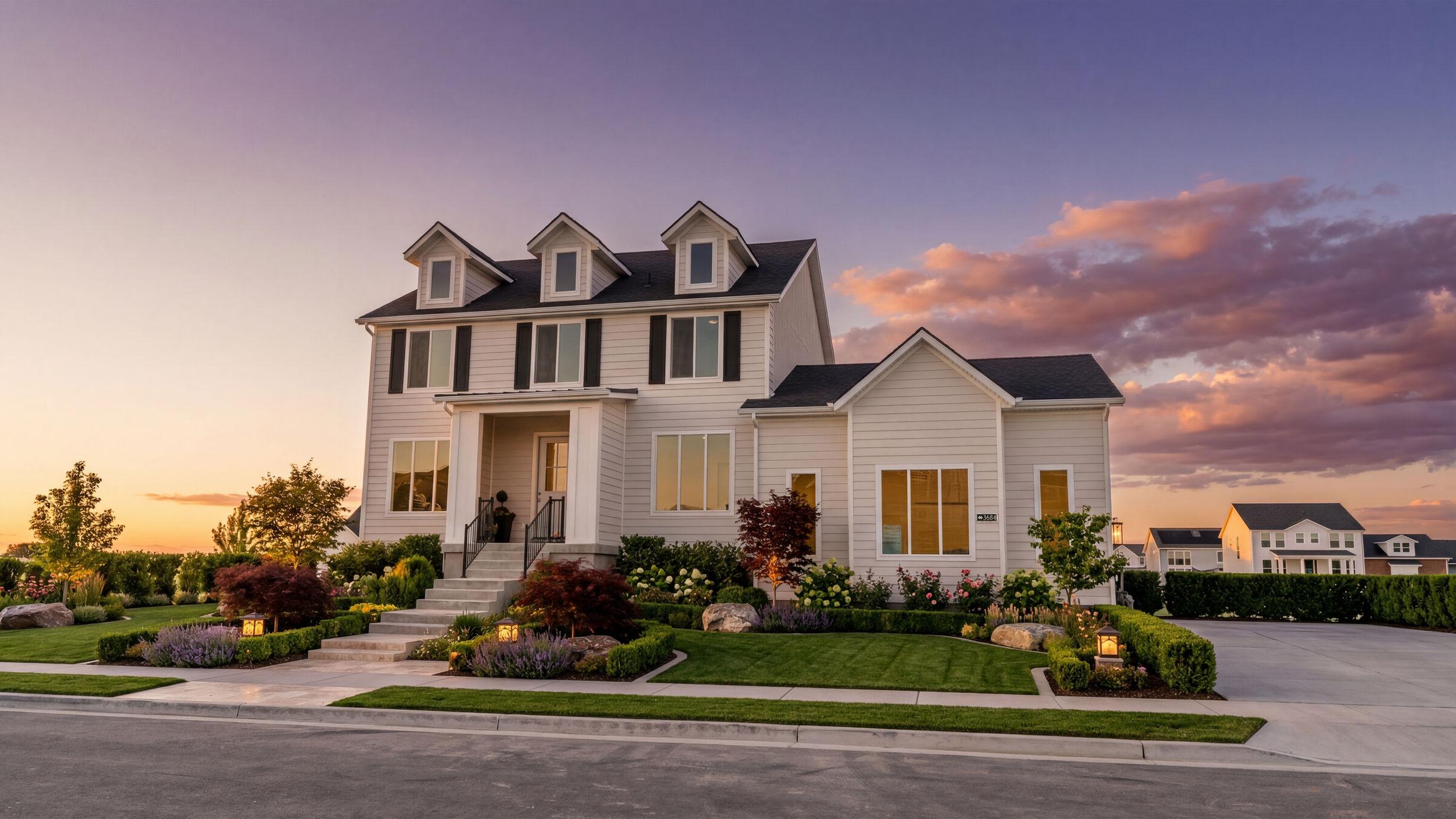
Soil, elevation, and exposure decide the build.
Three site conditions set almost everything that follows: what the soil does with water, how long the growing and working season actually is, and how much wind and sun the property takes.
Those three vary more across our service area than they do across some entire states. It is why we publish a page per county rather than one page with the names swapped out — the conditions are genuinely different, and so are the details we build to.
Counties Served
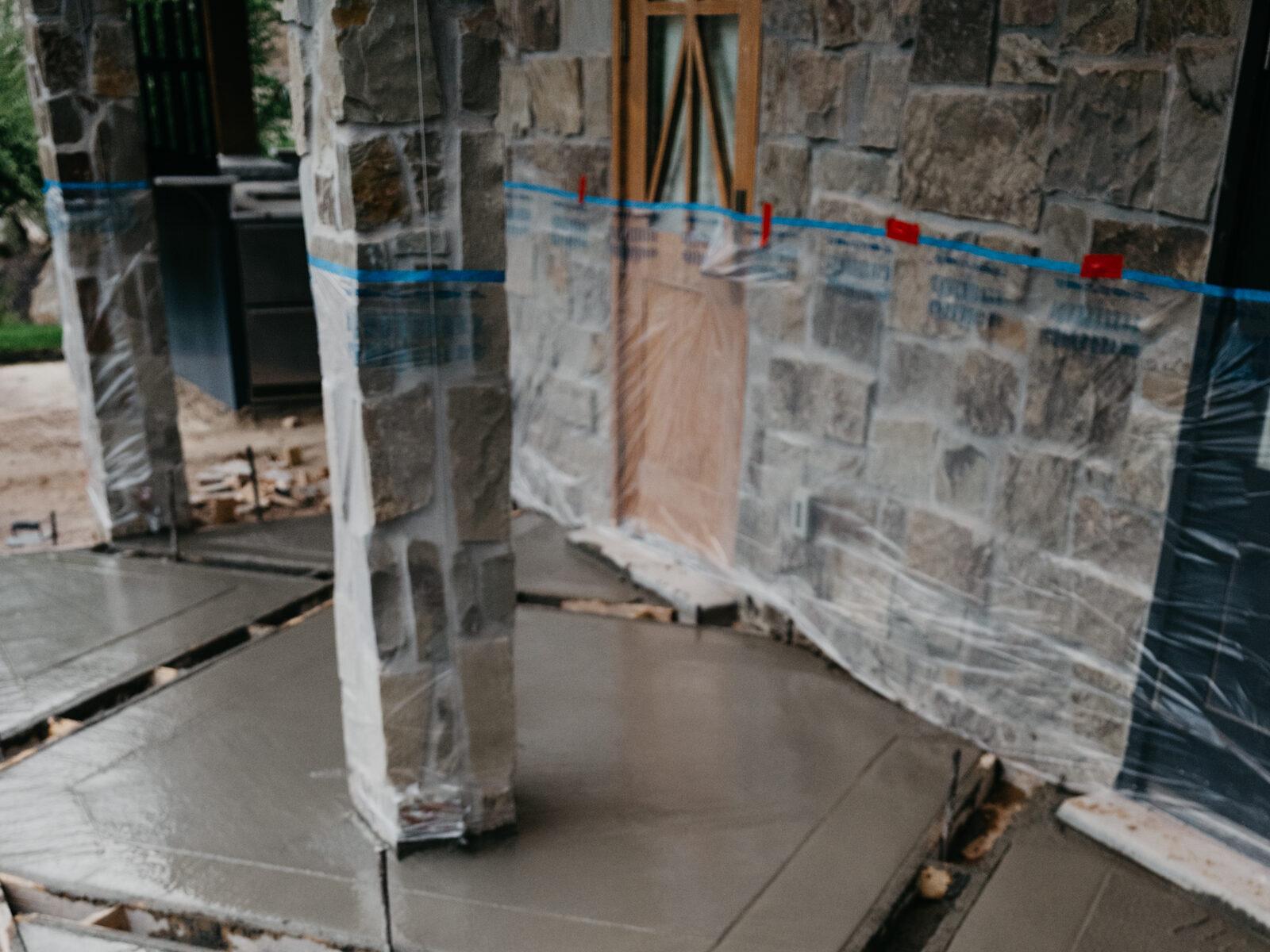
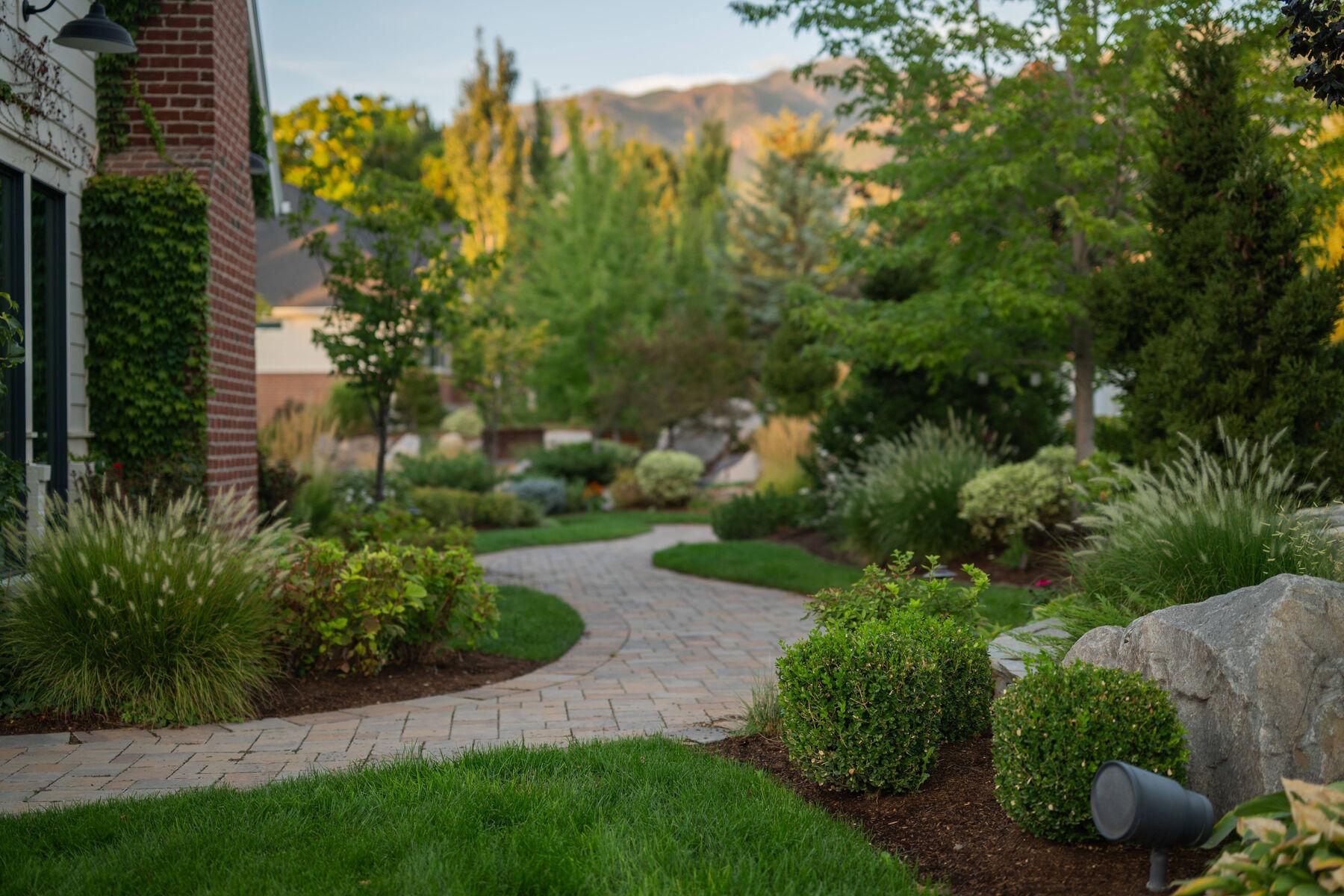
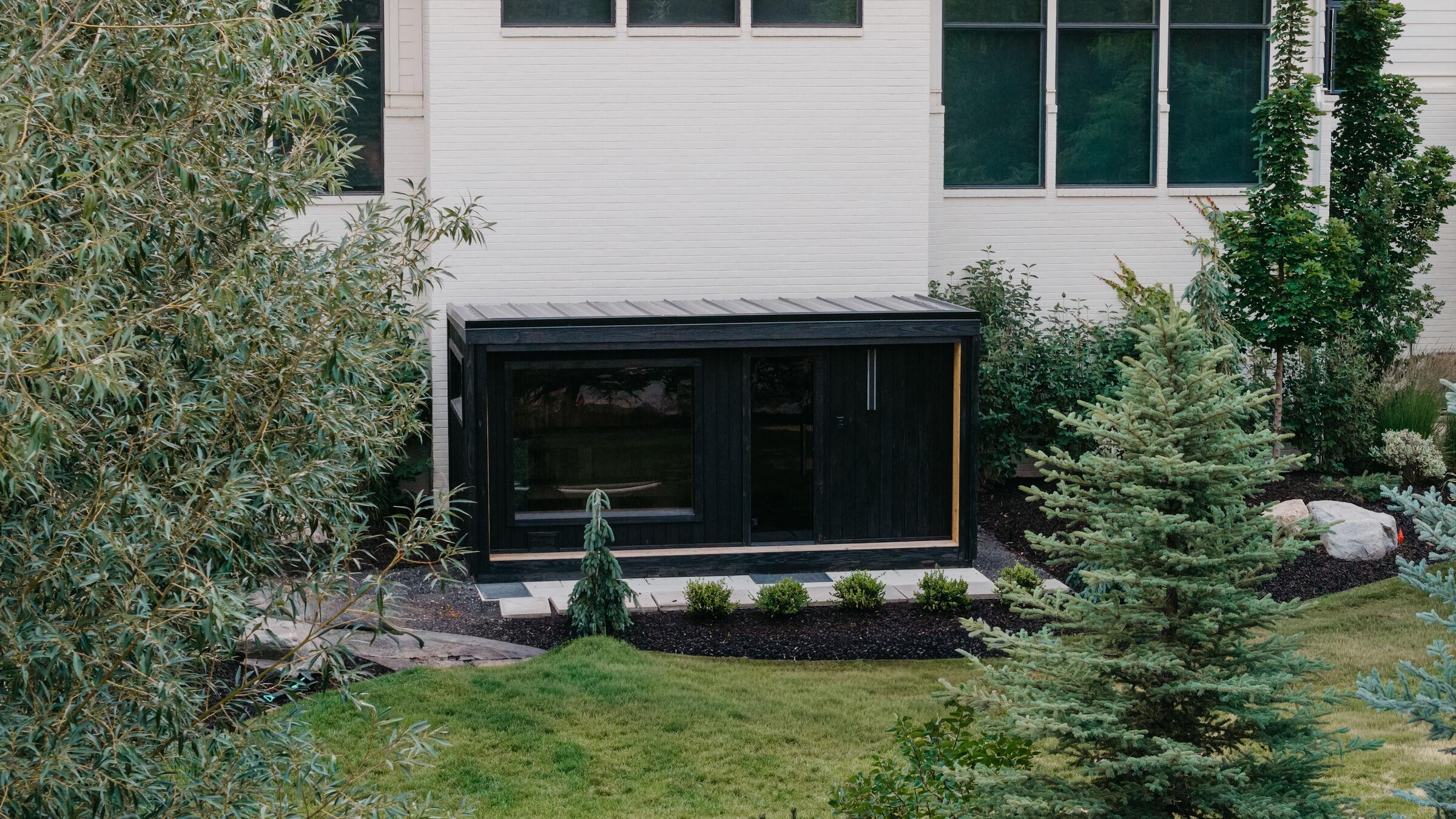
Four counties, four sets of problems.
- 01
The alpine corridor — shorter seasons, steeper grades, and the most demanding site conditions in the state.
- 02
Bench lots with long views west across the lake and hard clay soils that dictate drainage strategy.
- 03
Established east-bench neighborhoods where mature canopy and tight access shape the whole approach.
- 04
Foothill parcels below the Ogden peaks, with wind exposure that narrows the workable plant palette.
Or start with a city — Park City, Farmington, Holladay, and Ogden each have their own page, as does every community we build in.
The Work Itself
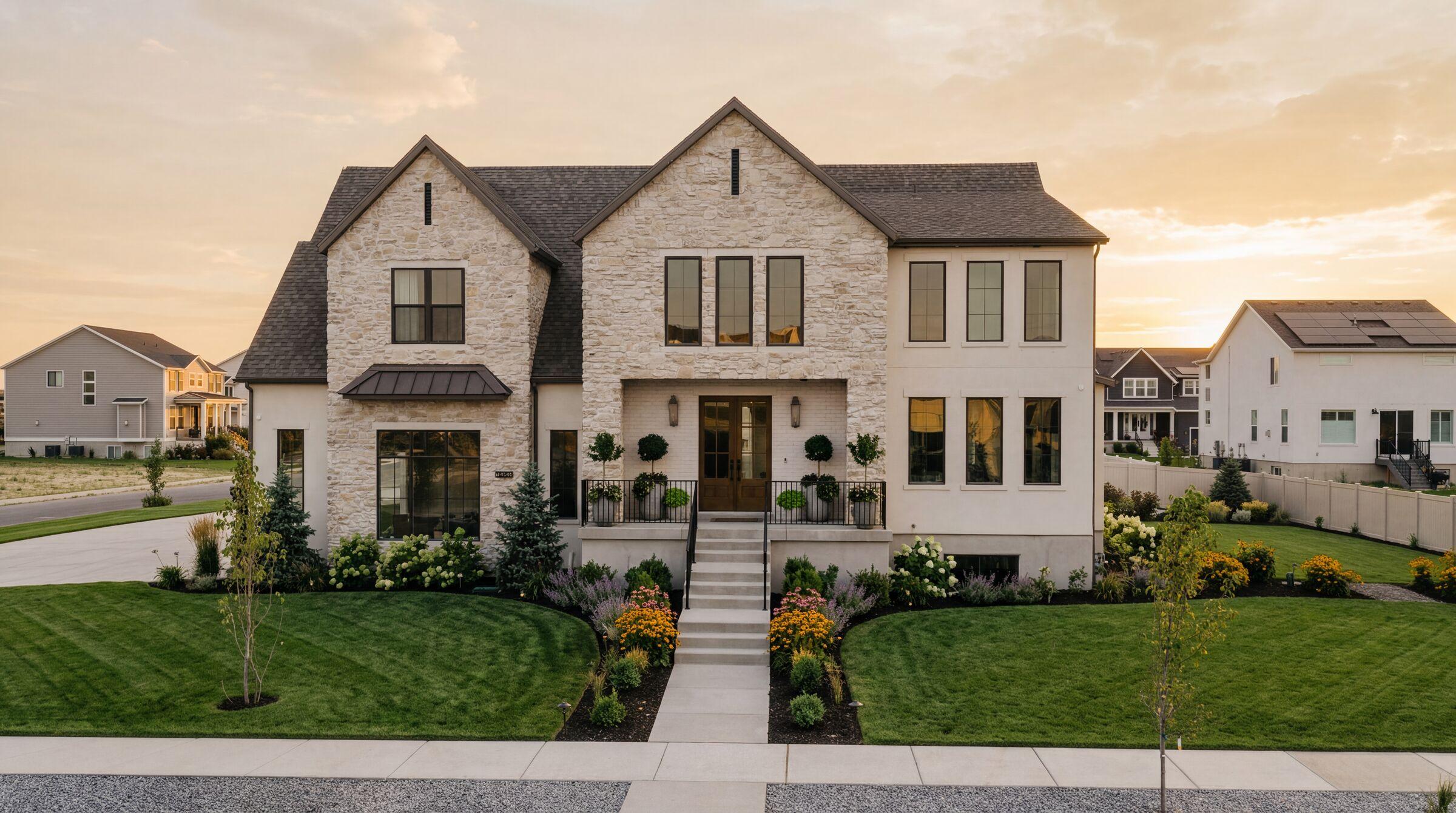
One crew, one sequence, wherever the site is.
The conditions change by county. The order of operations does not: grading and drainage, then retaining walls, hardscape, planting, lighting, and water.
Across the Footprint
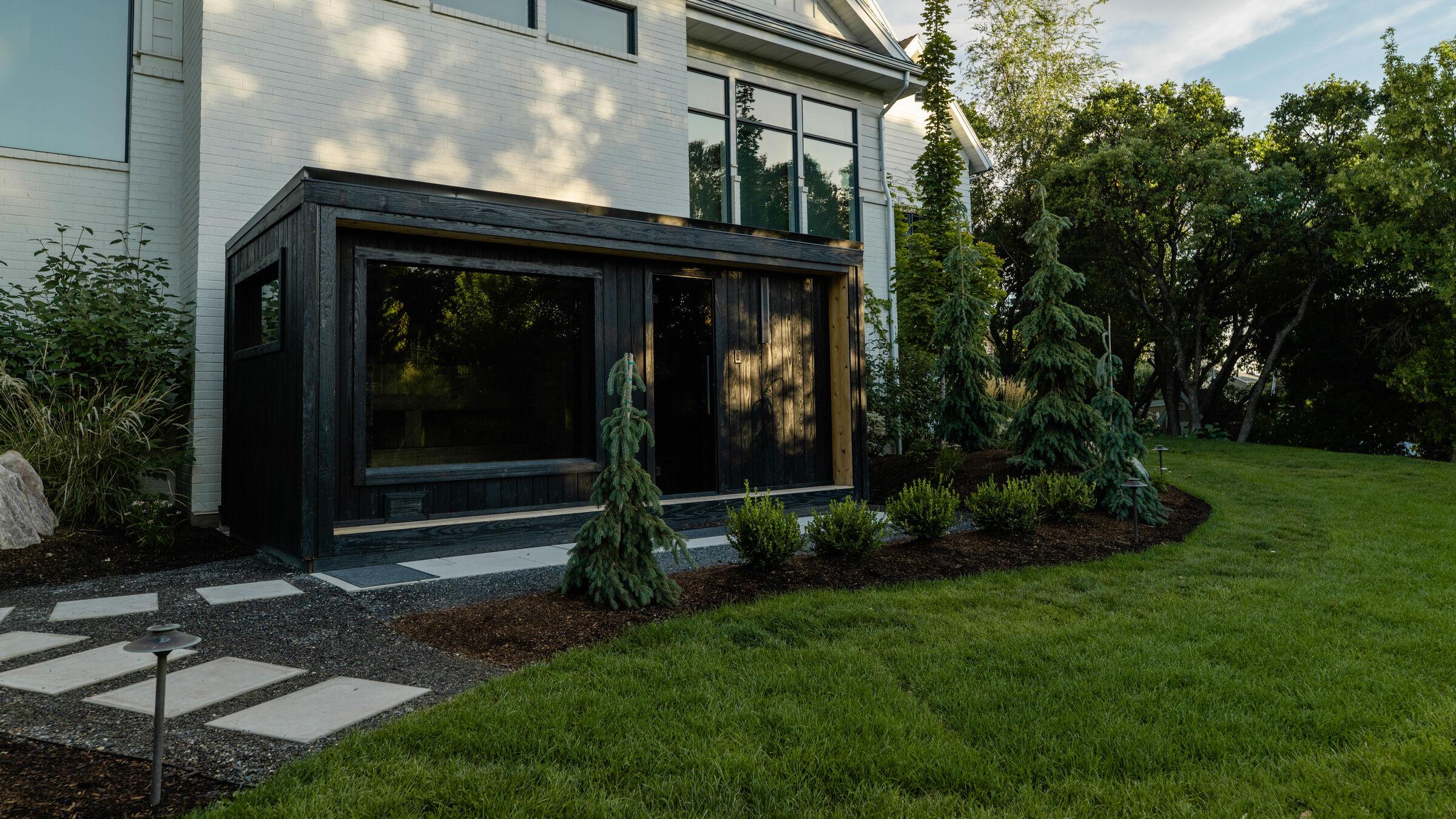
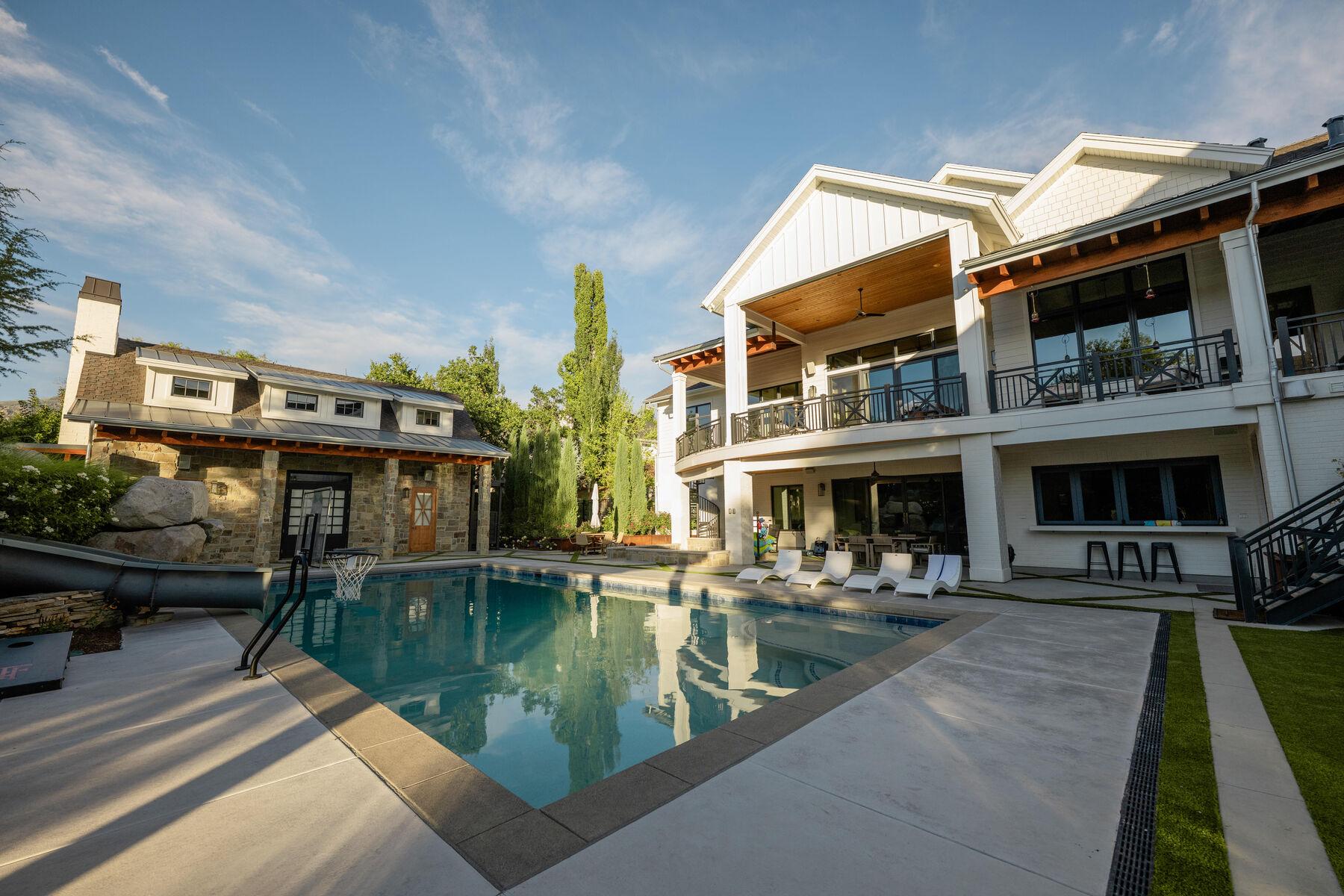
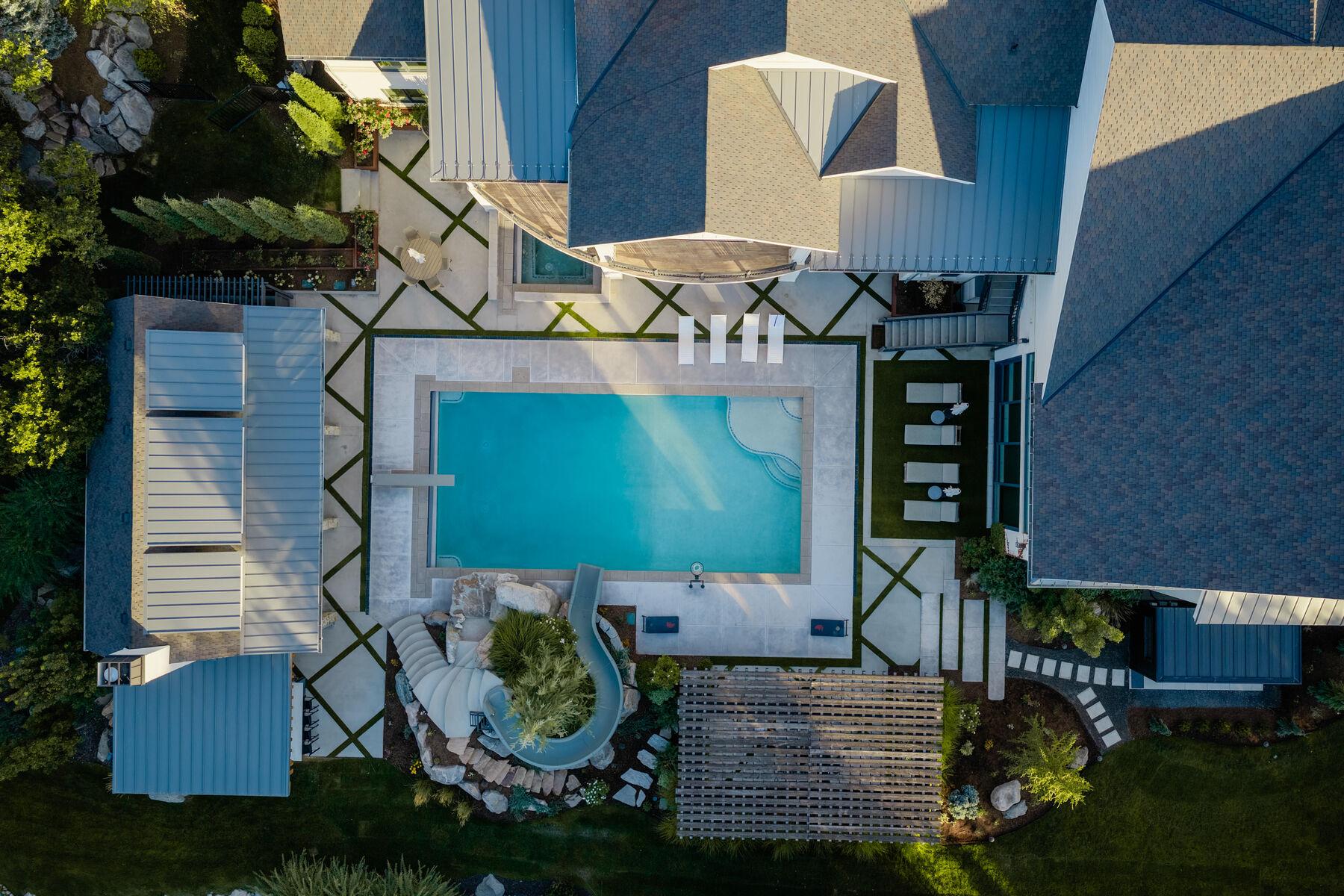
One standard, four counties.
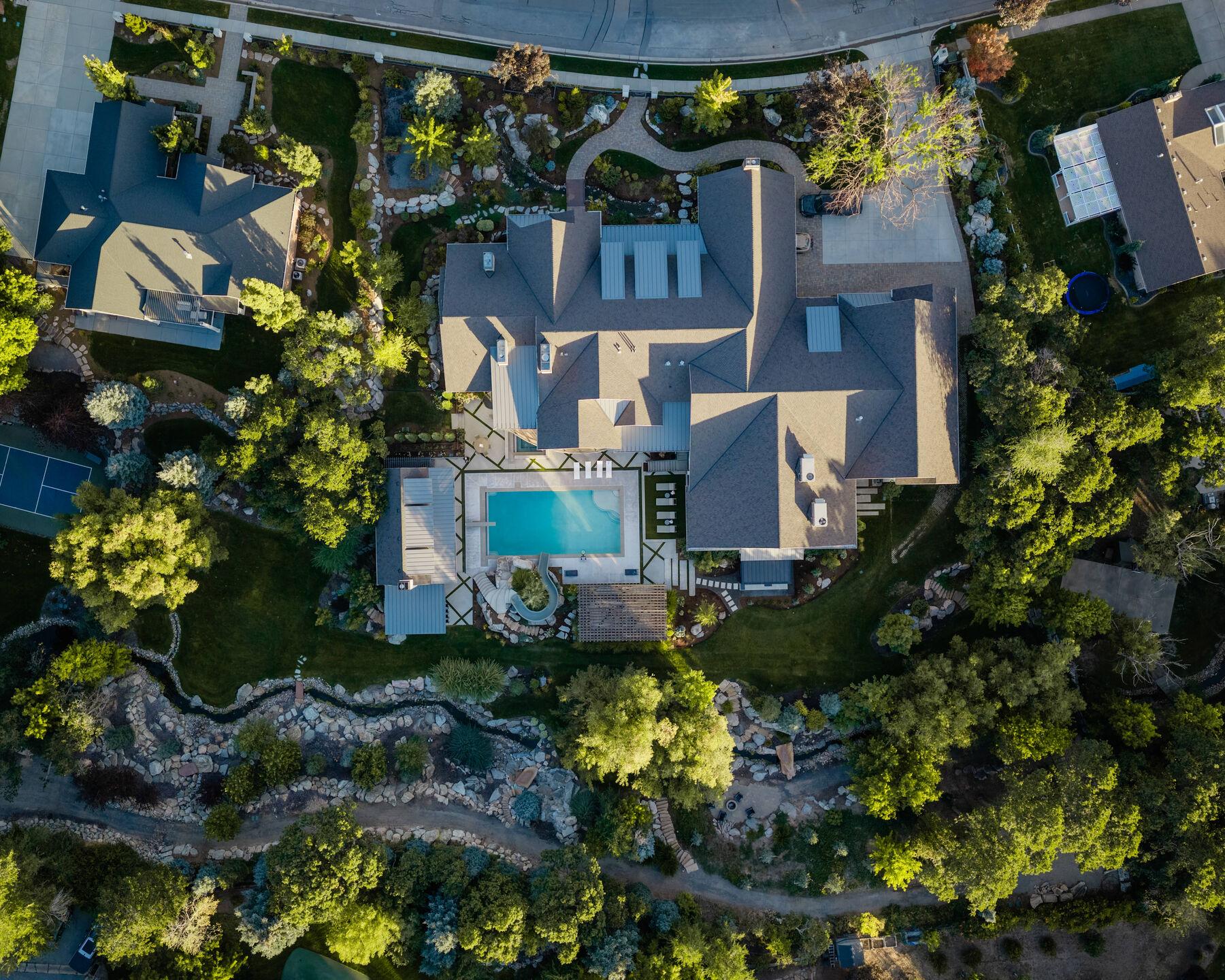
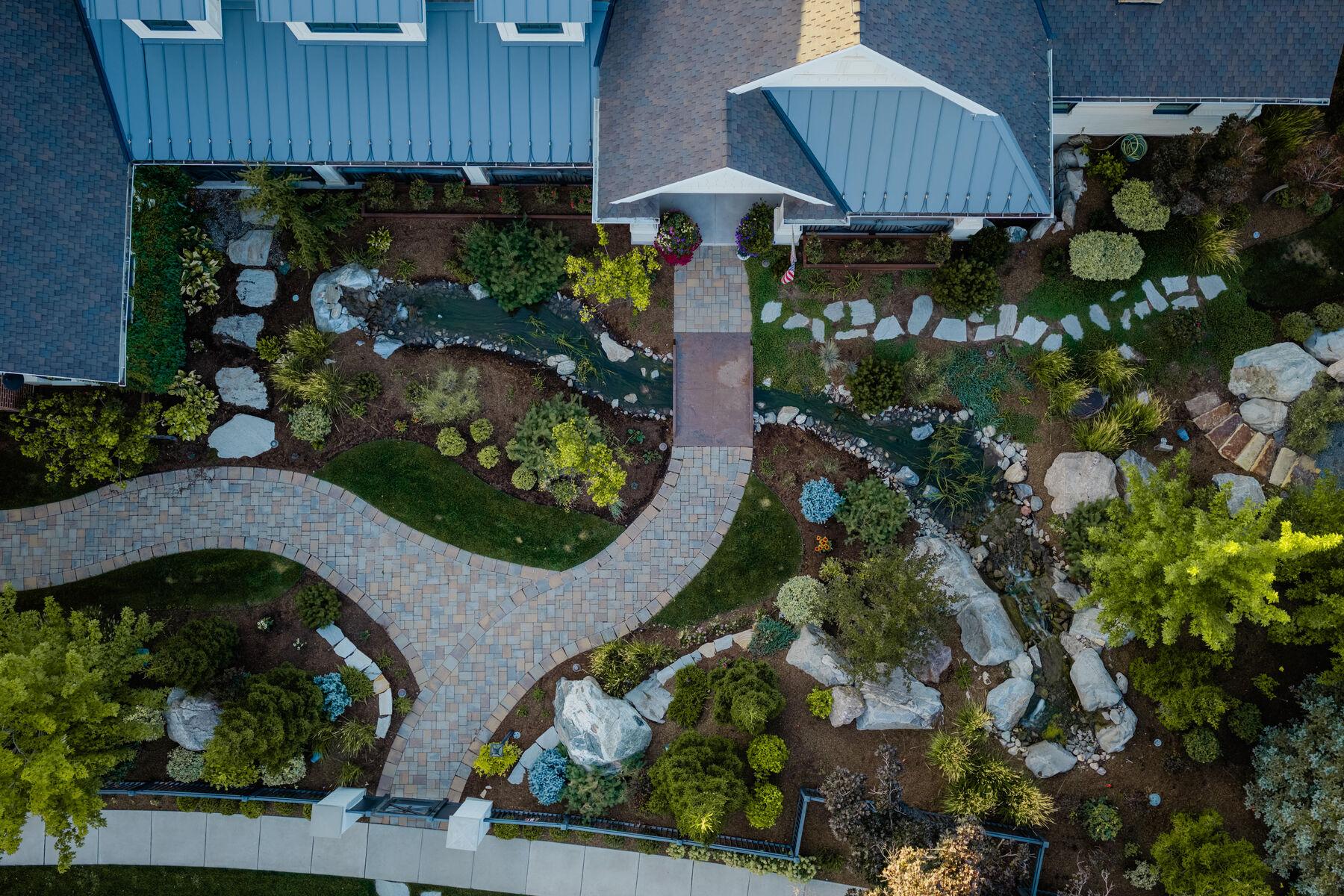
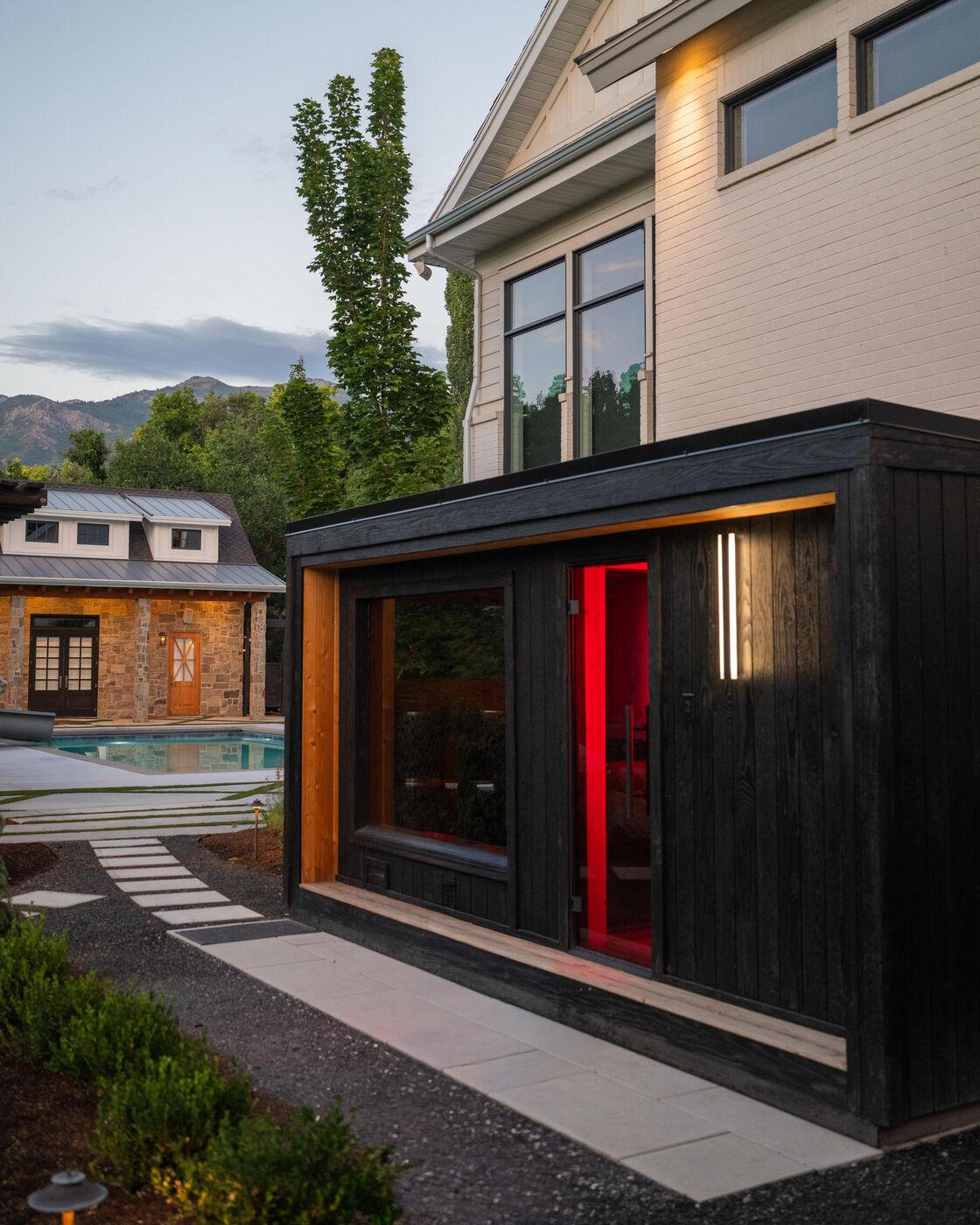
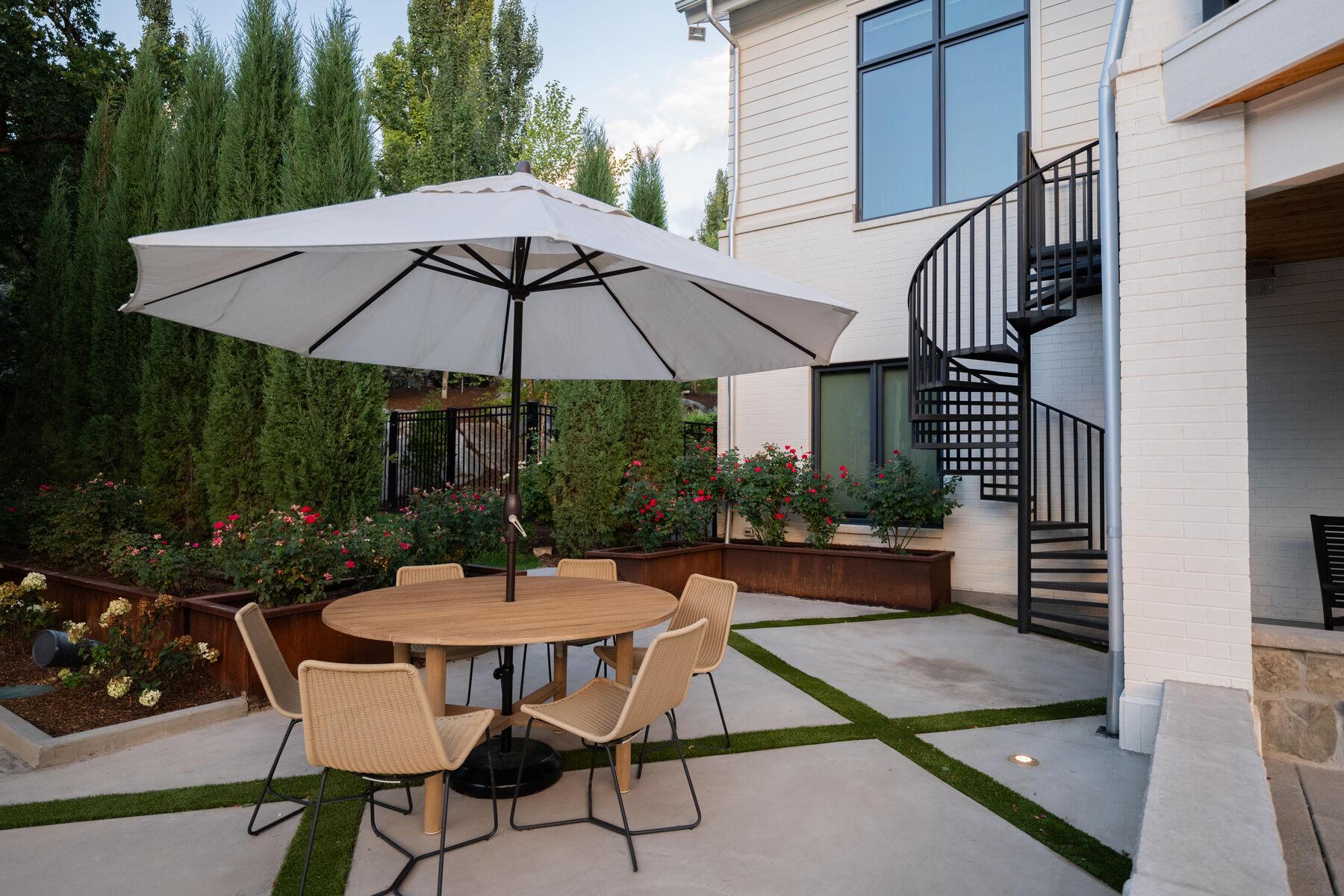
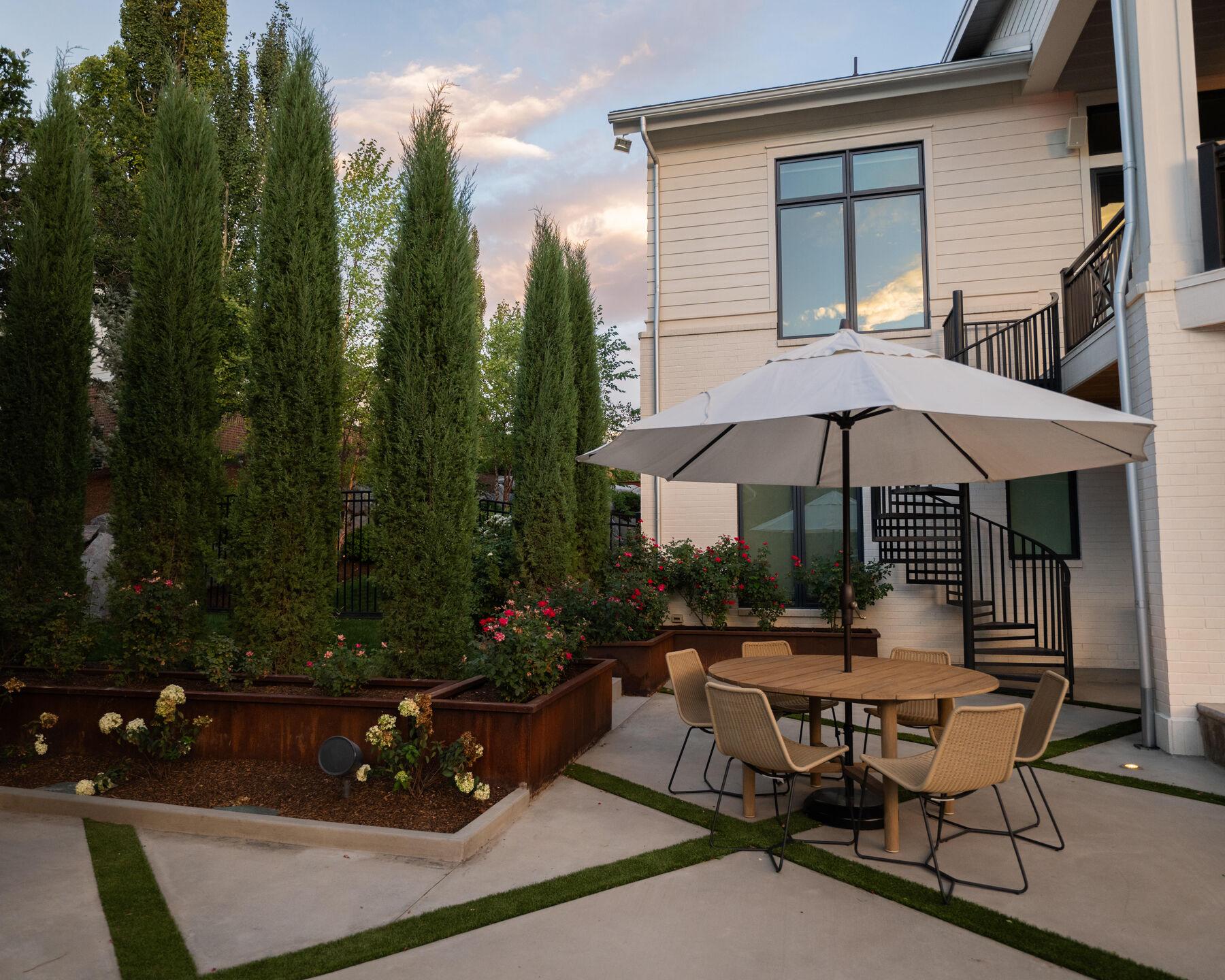
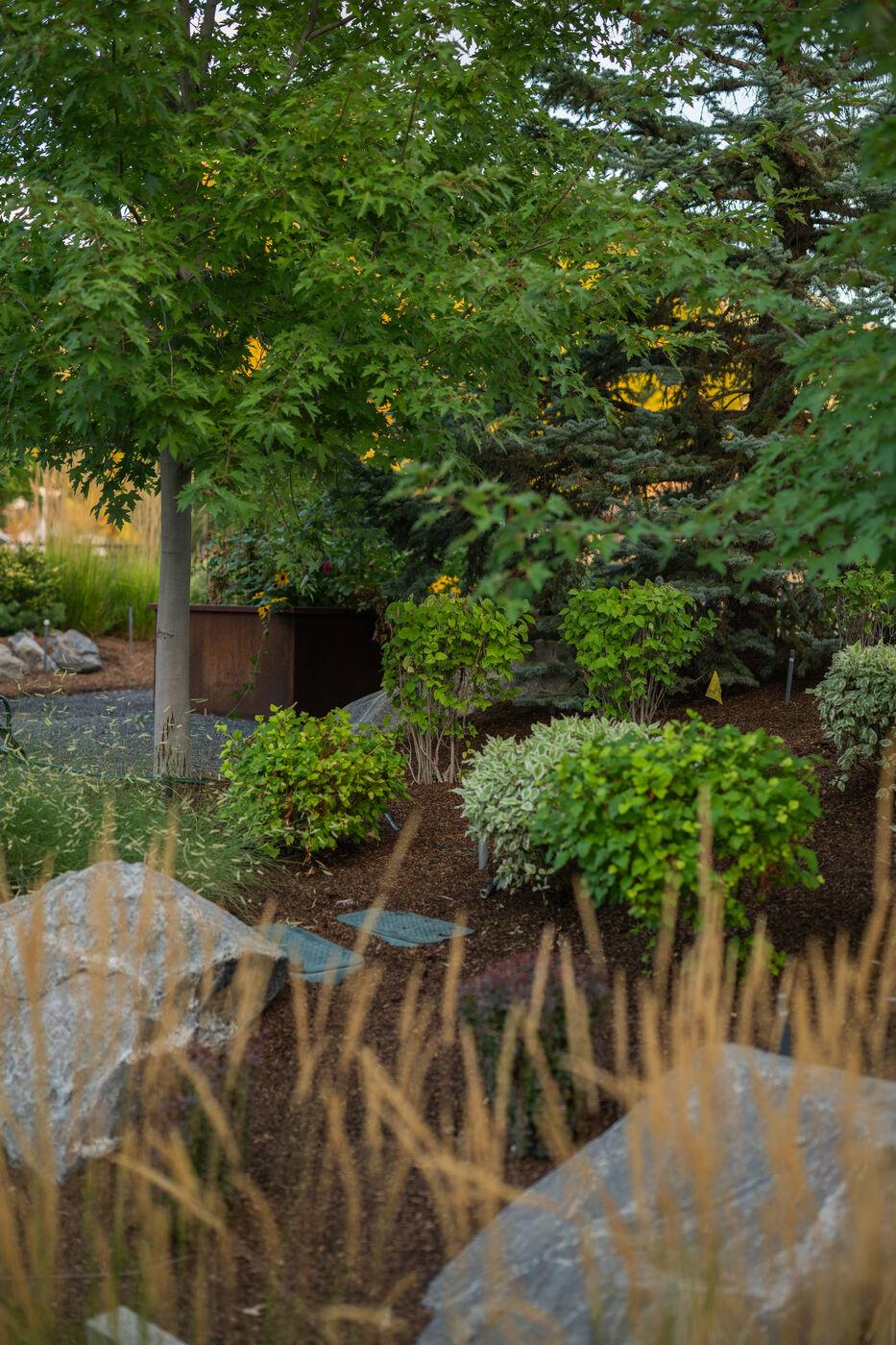
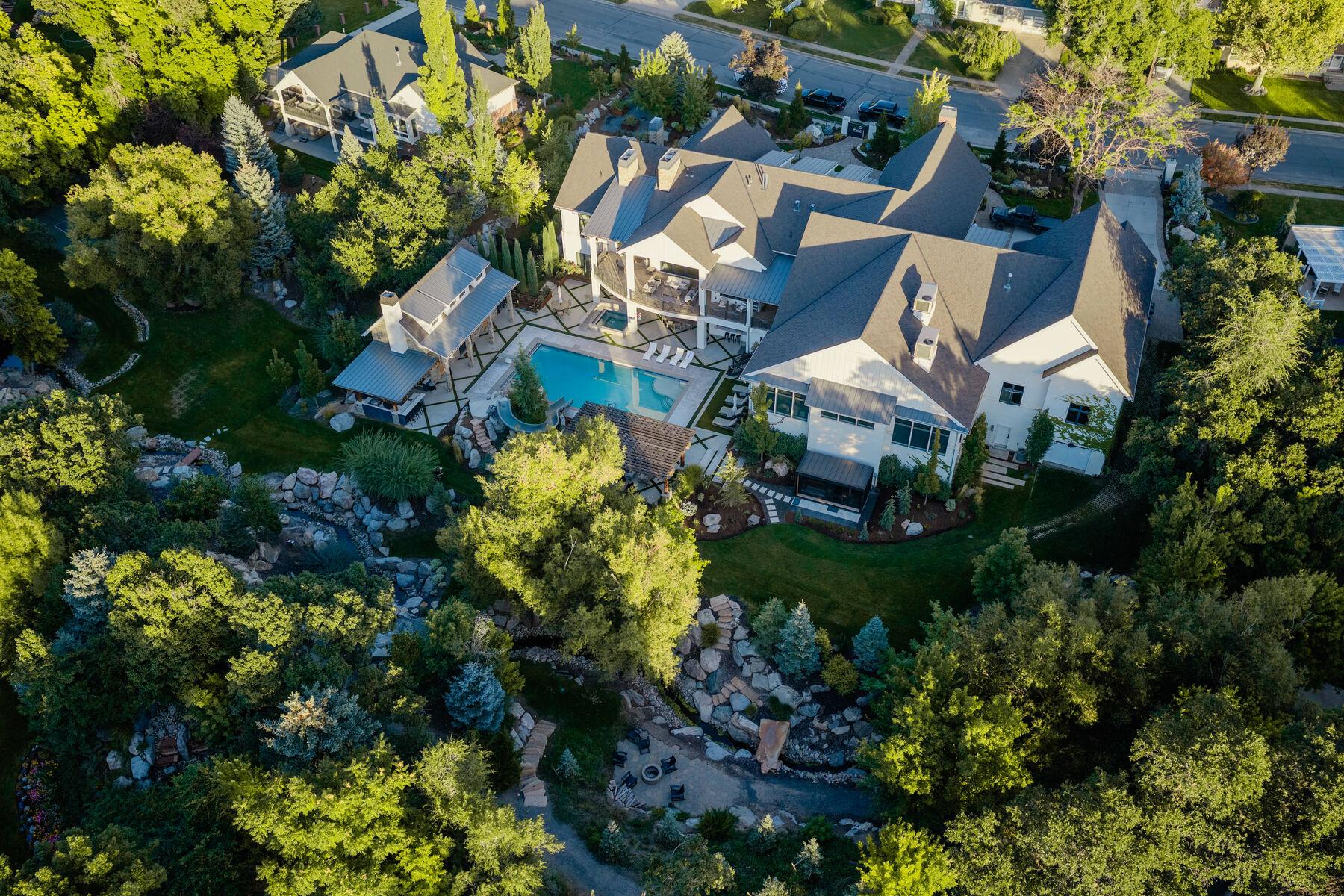
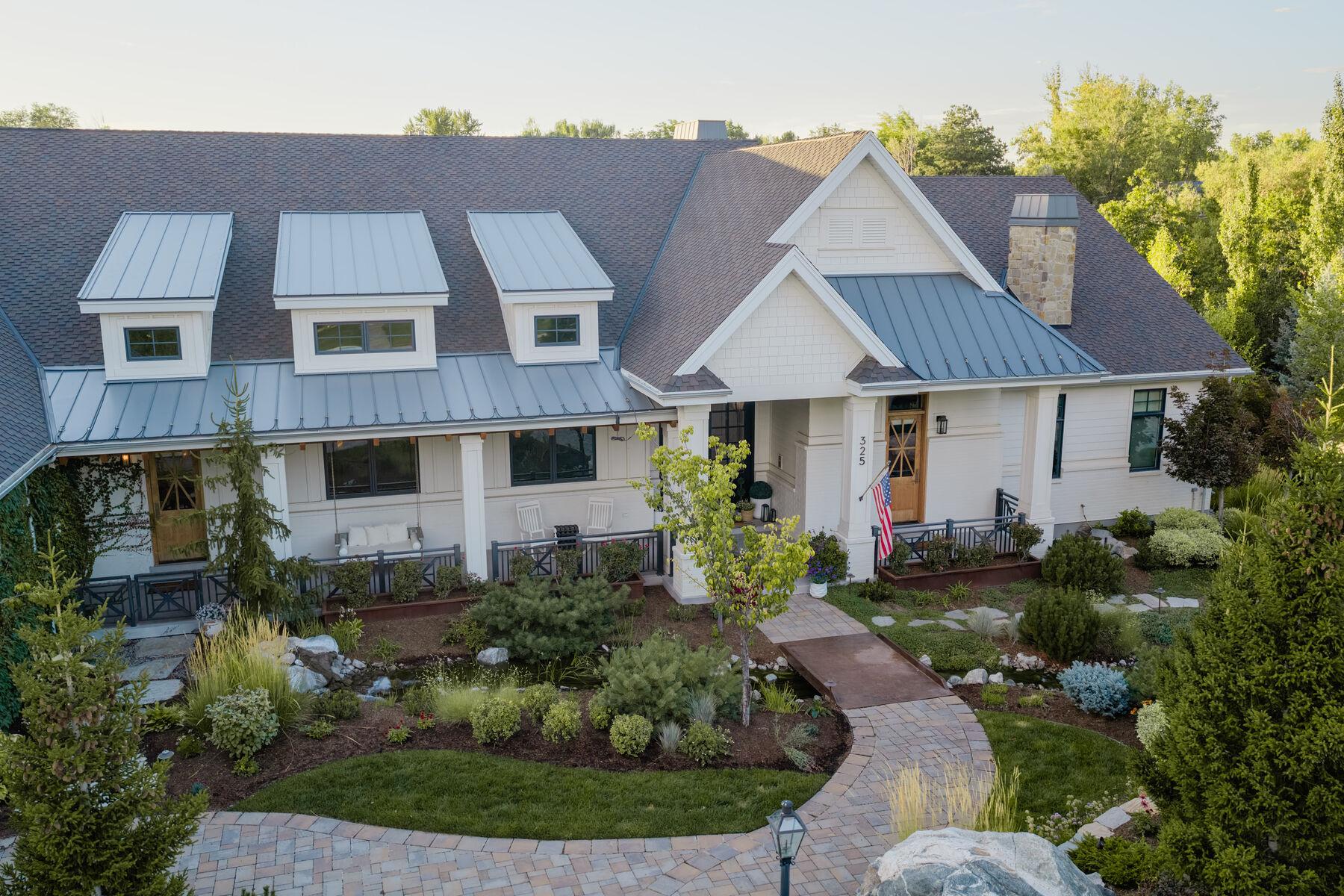
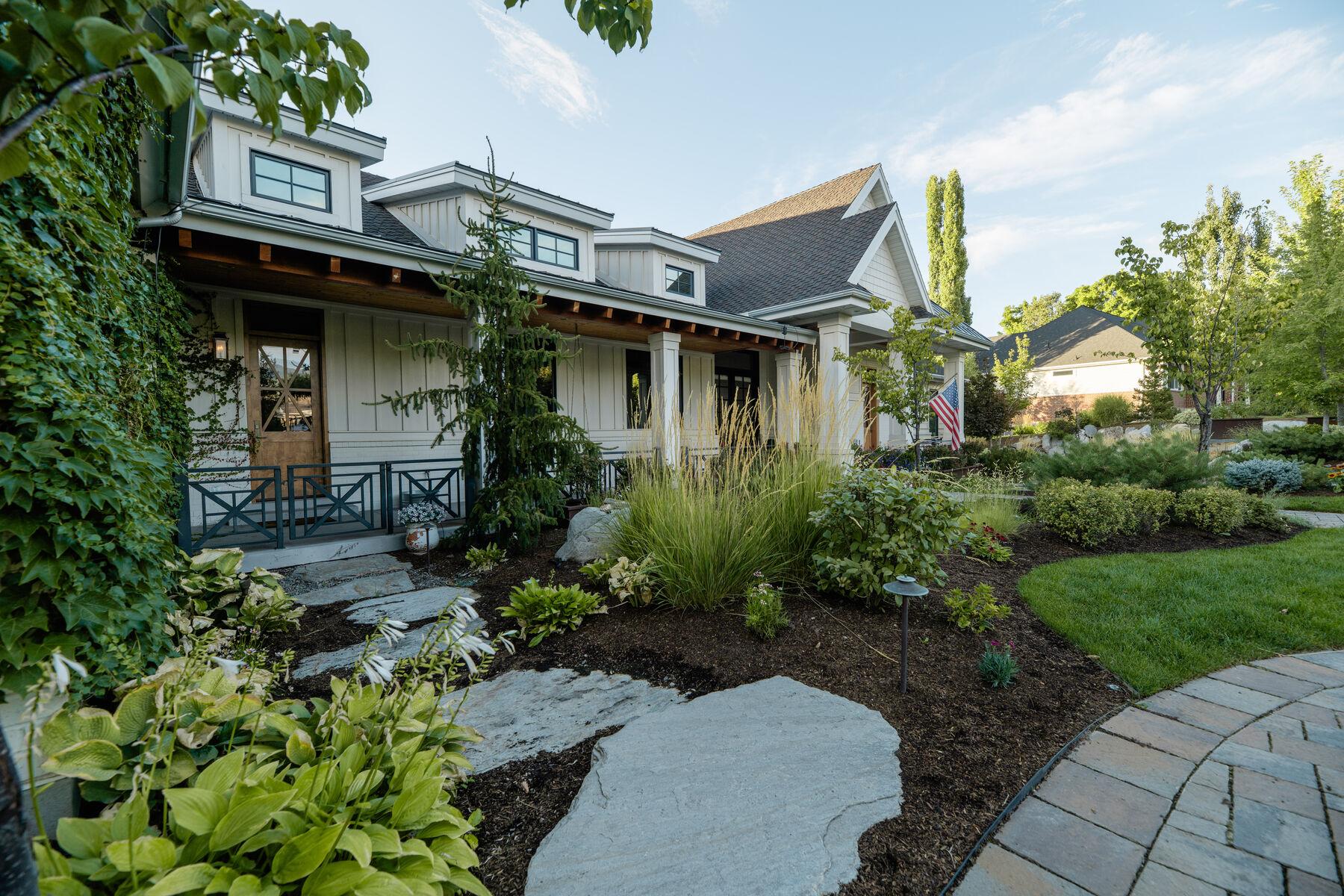
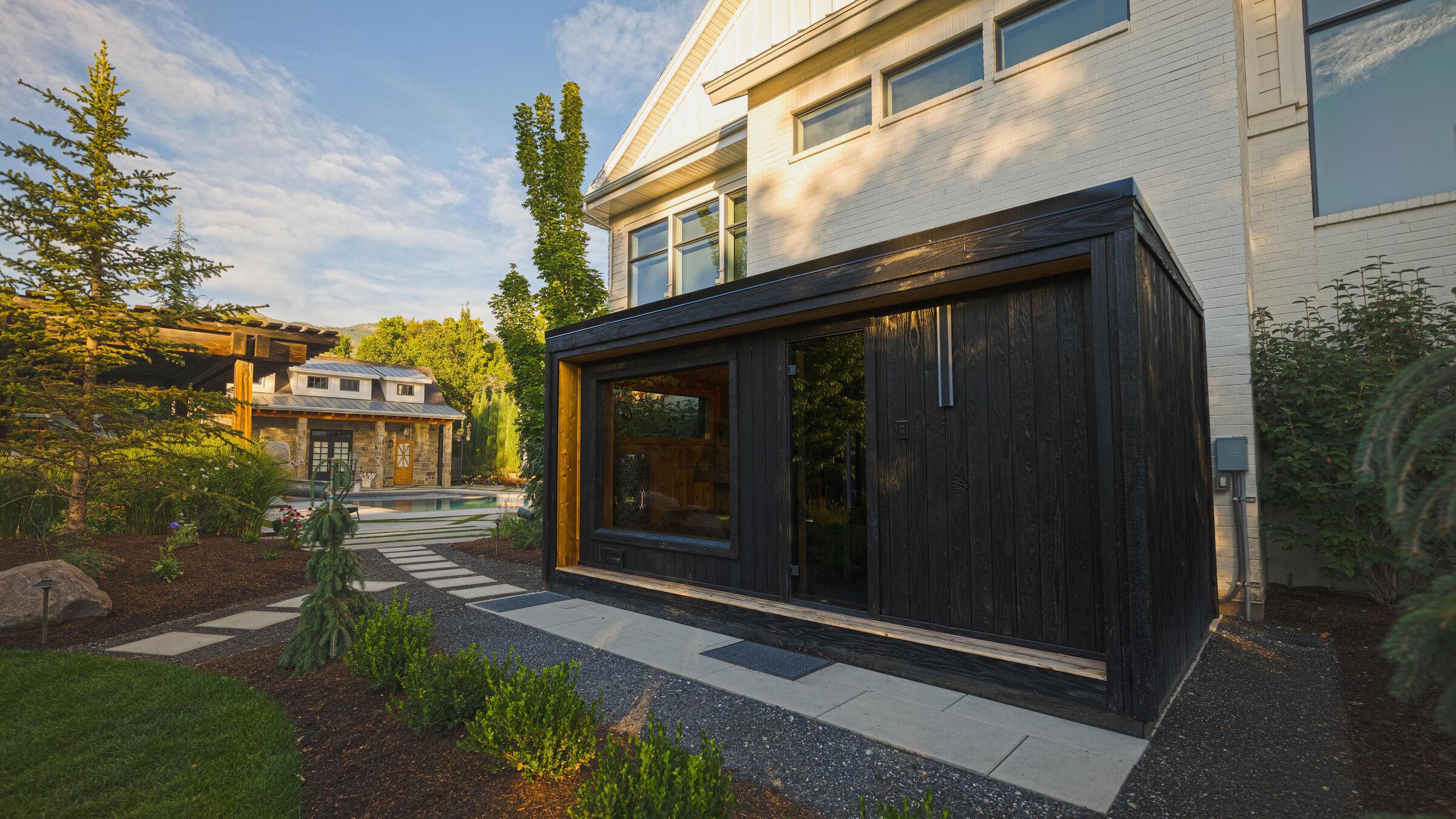
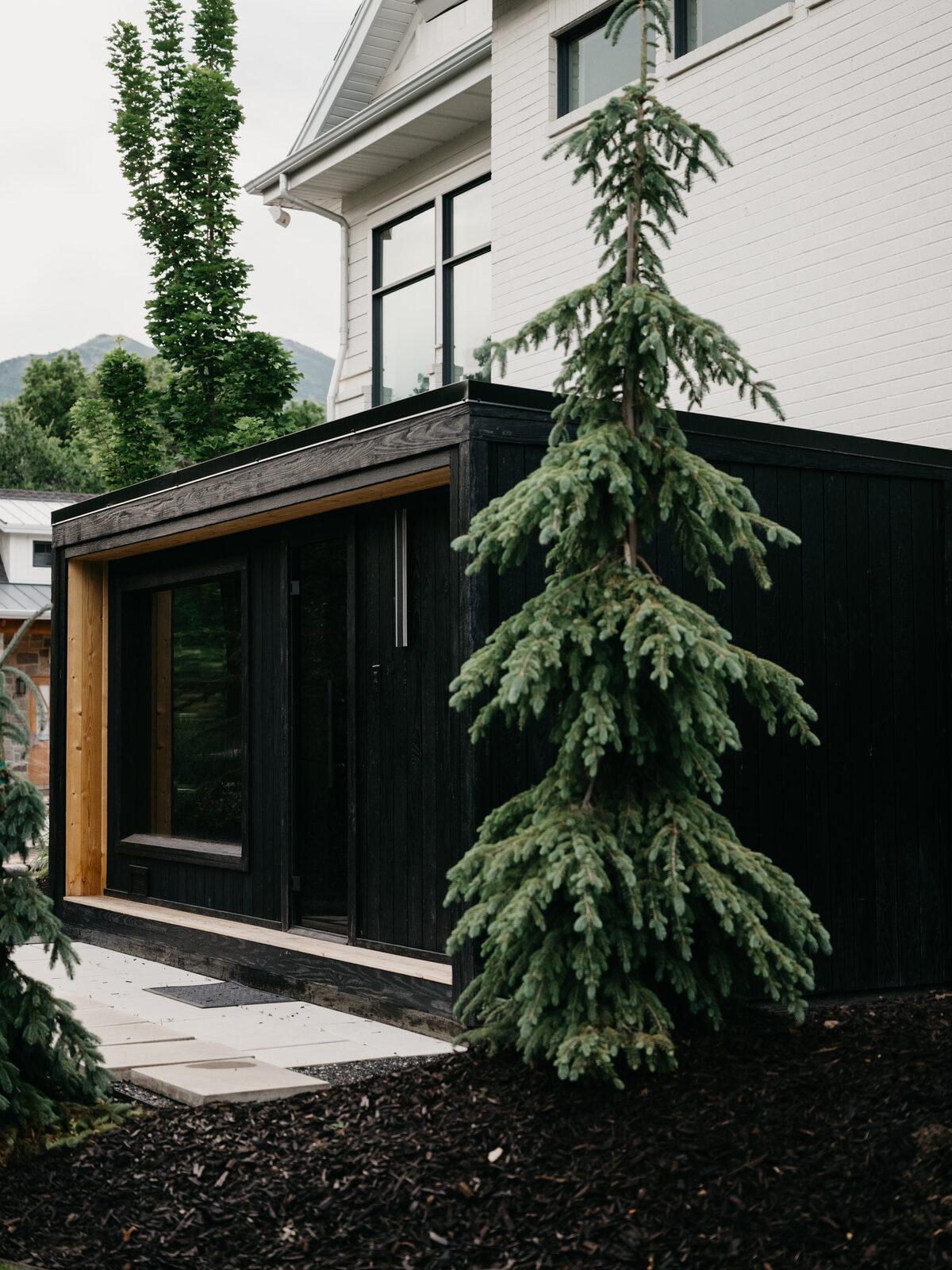
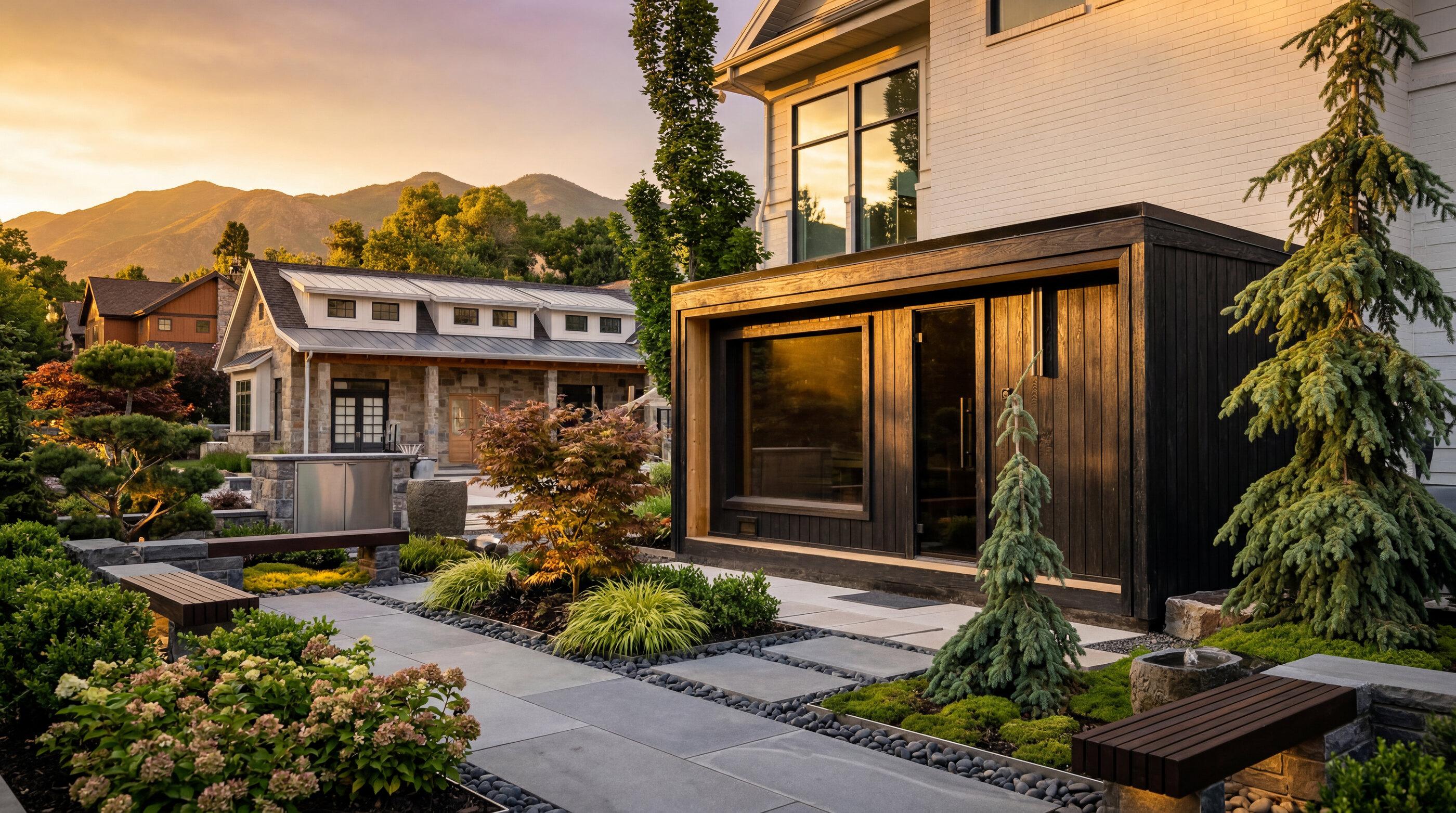
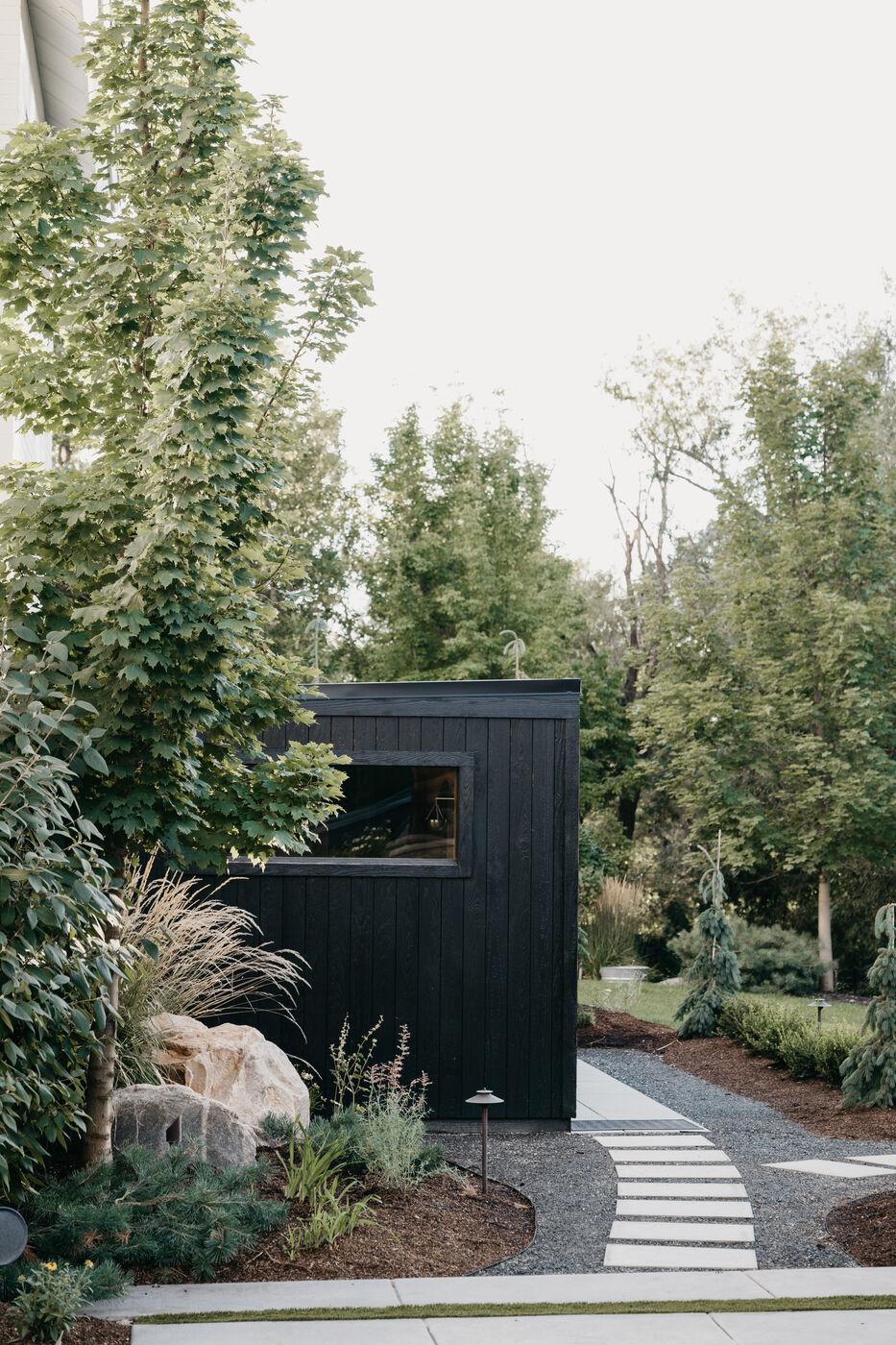
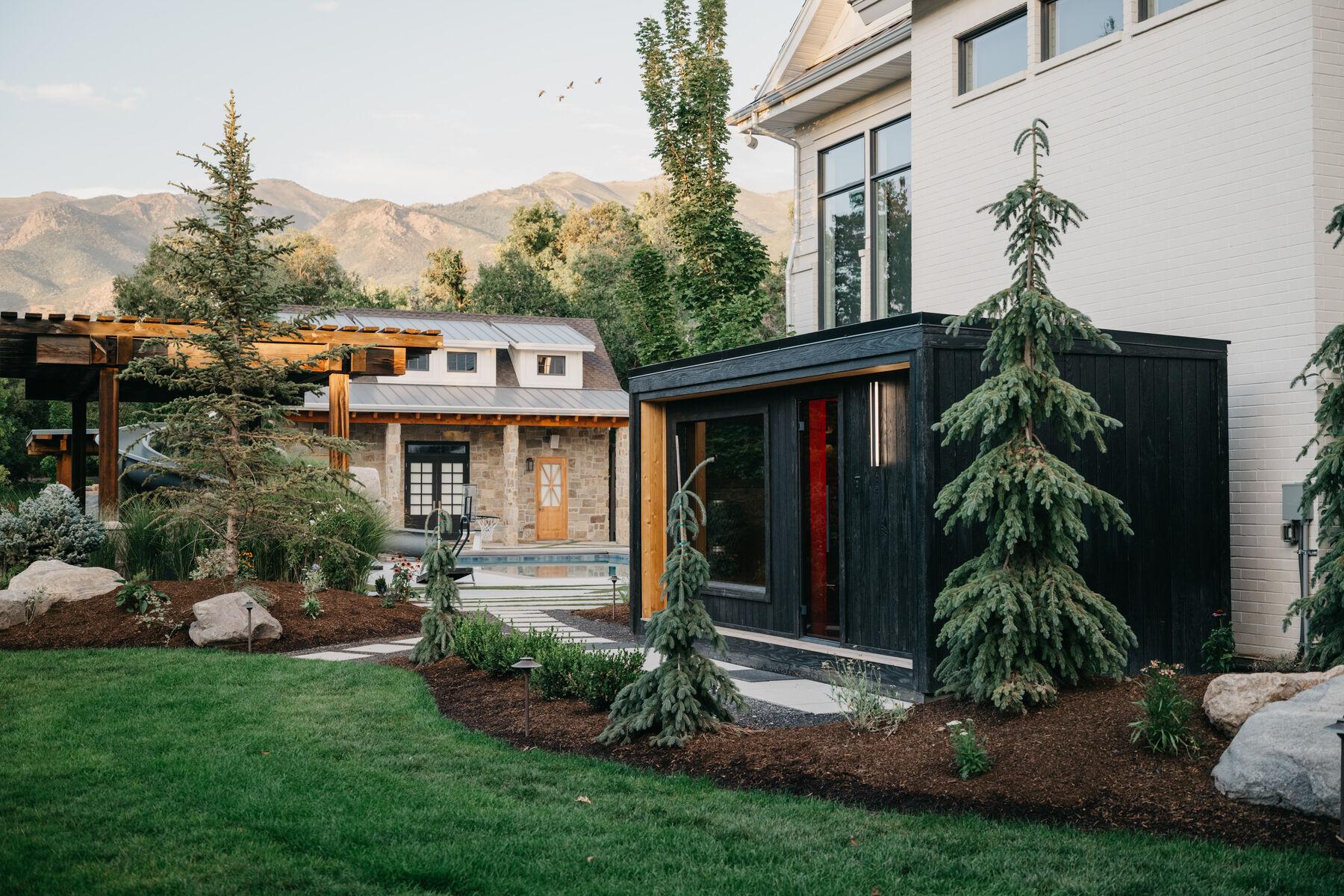
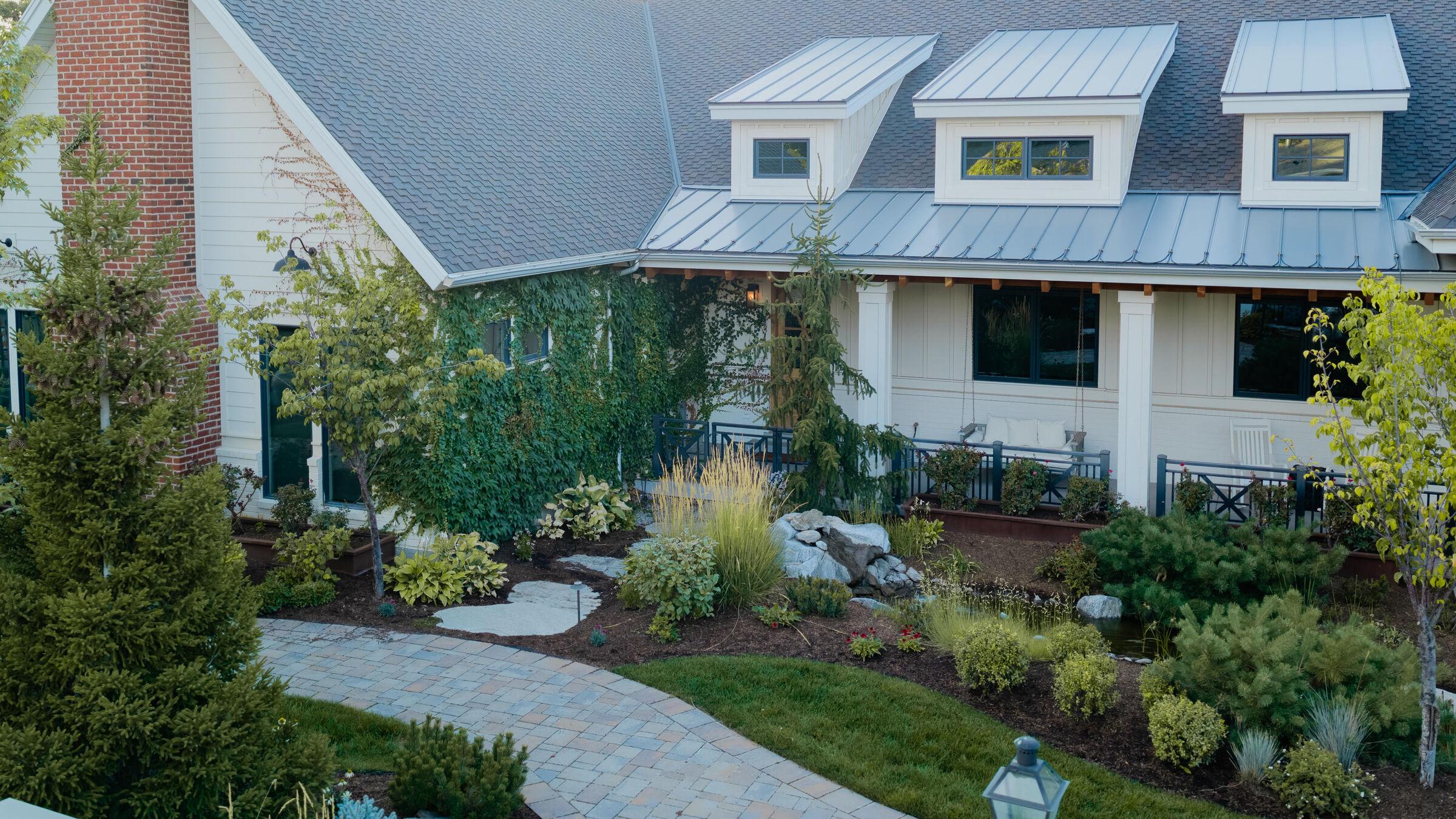
The ground changes sharply across these four counties — elevation, soil, wind, and season length — but what gets built to is the same in every one of them.
Common Questions
Where we work, and why it changes the build.
- Which counties and cities do you serve?
- We build across four northern Utah counties — Summit & Wasatch, Davis, Salt Lake, and Weber — and in the communities within each, from Park City and Heber City down through Farmington, Kaysville, and Layton to Holladay, Millcreek, Ogden, and North Ogden. Every county and city has its own page.
- Why does the county matter so much?
- Because in northern Utah the county is effectively the brief. Soil, elevation, growing season, and exposure change more across these four counties than they do across some entire states, and those conditions decide the drainage strategy, the plant palette, and the build sequence long before any design preference does.
- How does the work actually differ from one area to another?
- A detail that holds on a Davis County bench lot is the wrong detail in Park City, and a drainage strategy sized for lakebed clay would be wasted on decomposed granite at 7,000 feet. We publish a page per county rather than one page with the names swapped out because the conditions — and the details we build to — are genuinely different.
- Do you travel outside the four listed counties?
- Our crews, equipment, and material suppliers are set up around these four counties, which is what keeps the scheduling and the standard consistent. If a site sits just outside the listed area, tell us where it is when you inquire and we will be straight with you about whether we are the right people to build it.
- The ground here changes fast — how do you account for that?
- From lakebed clay at 4,200 feet to decomposed granite above 7,000, the ground can change within a short drive. We confirm the specific conditions of your site — where it sits on the slope, what the soil does with water, how exposed it is — before anything is designed, rather than assuming a county-wide profile.
Tell us where the site is.
The county tells us most of what we need to know about the ground. The rest is a short conversation.
Start a Project