Service Area — Davis County
Everything here runs downhill to the lake.
Davis County is a single long slope from the canyon mouths to the Great Salt Lake, and the ground changes completely across it. A bench lot in Farmington and a flat lot in Syracuse are twenty minutes apart and present opposite drainage problems. We price and sequence them differently for that reason.
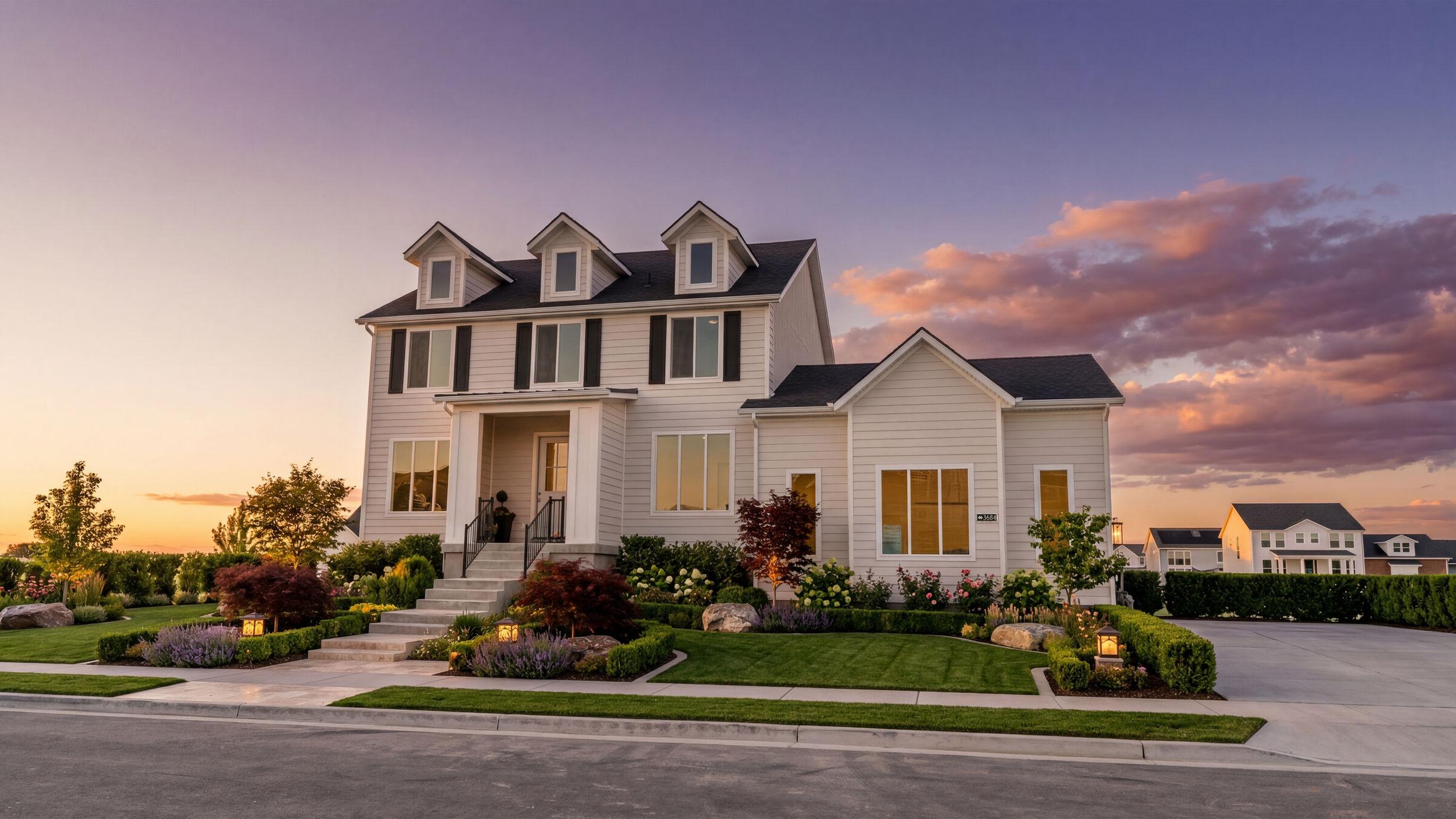
Two counties' worth of ground in one county
- The bench
- The east side sits on terraces and deltas Lake Bonneville left behind — Farmington, Fruit Heights, and east Kaysville are all built on that shelf. It gives the long west view, and it gives coarse cobbly fan material that excavates unevenly and swallows base rock.
- Canyon fans
- Farmington, Centerville, and Kaysville sit at the mouths of steep canyons. Those alluvial fans exist because water and debris have come down them before. Anything built on one is built to move water through the site rather than to stand in front of it.
- Lakebed clay
- West of the bench the ground changes character entirely: heavy clay that drains slowly, holds water at the surface, and heaves. Same county, inverted problem — here the work is getting water off and out, not slowing it down.
- Water table
- Closer to the lake the water table sits high and the soils run alkaline and salty. That narrows the plant list and rules out subsurface detention on some sites outright.
- Western exposure
- A west-facing lot takes full afternoon sun and the glare off the lake with it. Shade structure, material temperature underfoot, and evening light matter more here than almost anywhere we work — the west view is the reason the lot cost what it did.
Lot character
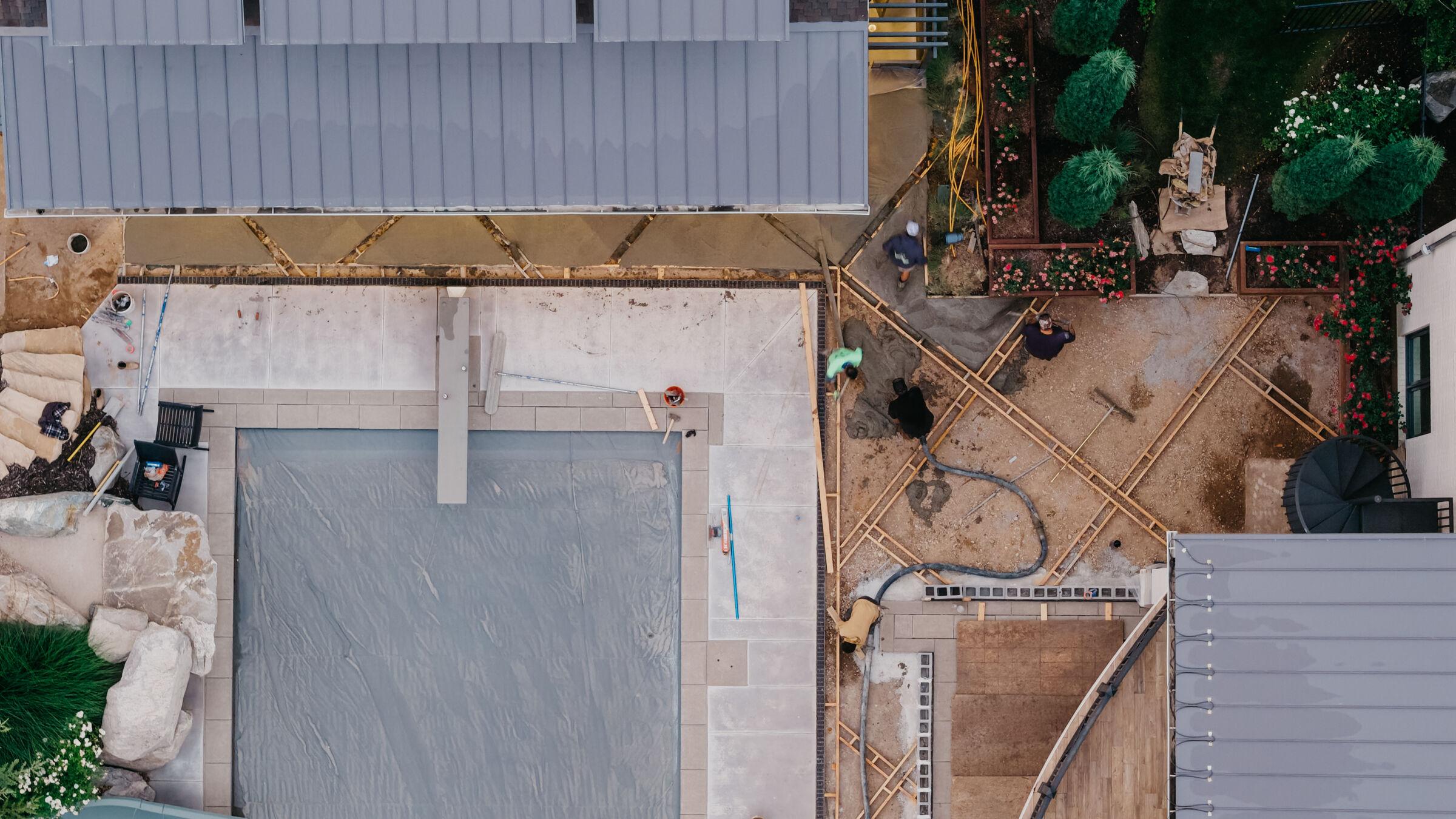
Bench lots tend to be deep, sloped away from the street, and oriented hard to the west. The rear of the property is the whole project, and the grade drop is what makes it possible to build a terrace with any real presence.
West of the bench the lots flatten out, the soil turns to clay, and the challenge inverts: without a fall to work with, drainage has to be built rather than borrowed, and every surface gets a designed slope and a place to send water.
What that means for the build
- 01
We confirm where the site sits on the east–west gradient before anything is designed, because it determines whether the drainage strategy is conveyance or storage.
- 02
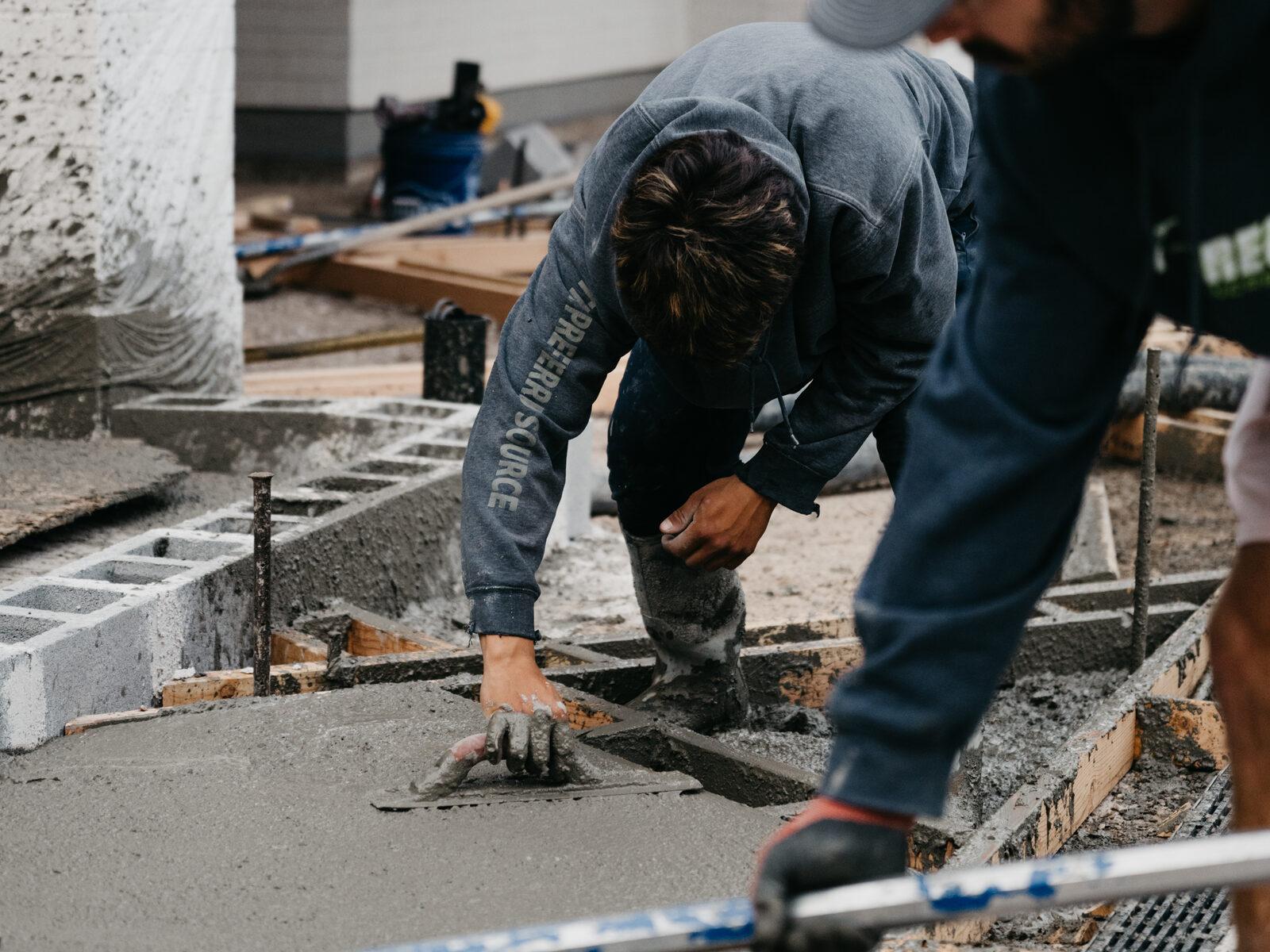
On fan ground, base depth and compaction get specified to the material we actually find, not to an assumed profile.
- 03
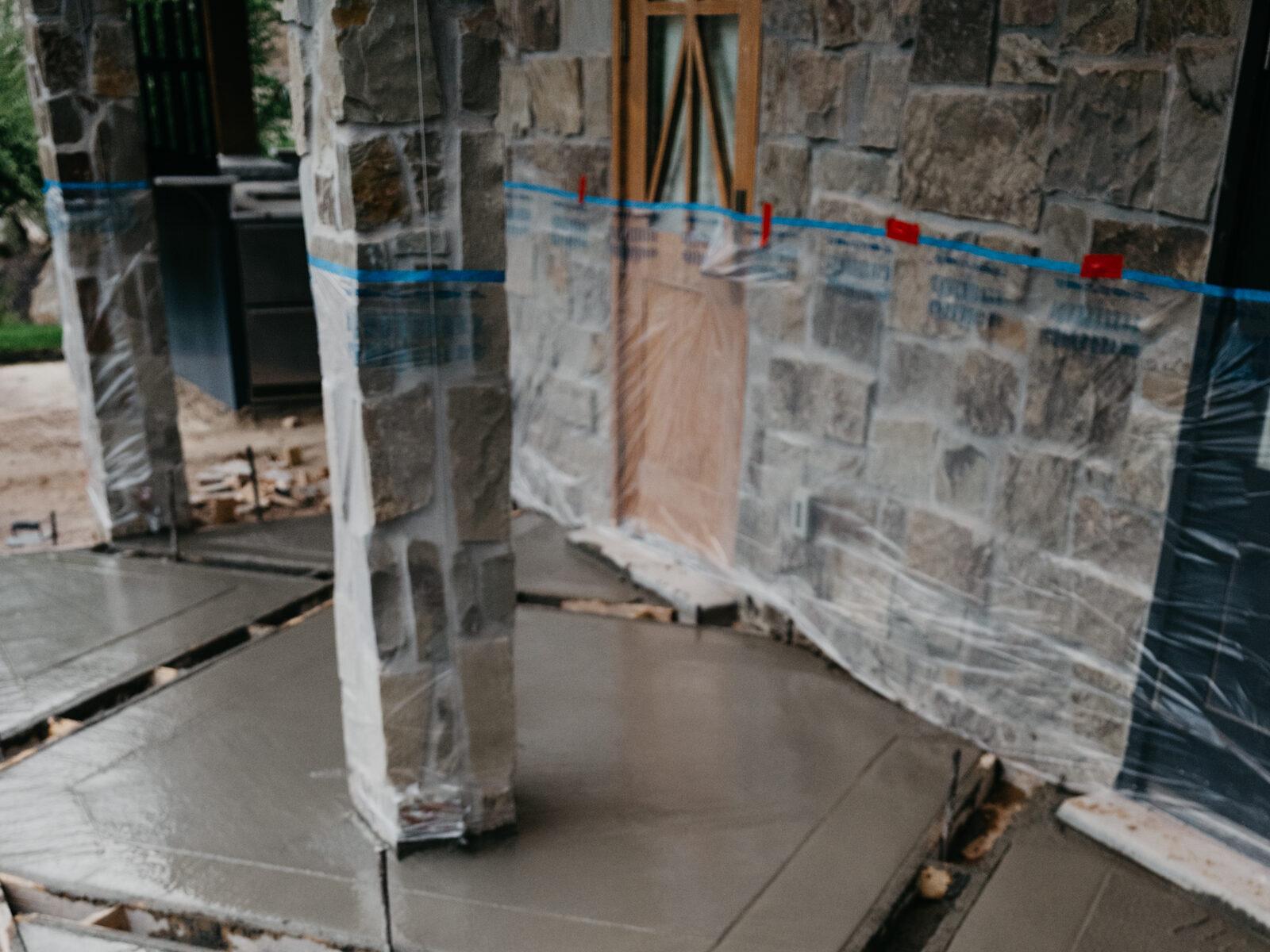
On clay, we build positive fall into every hard surface and give the water a defined exit before the first paver is set.
Communities
The county reads east to west, and so does the work. These are the communities we build in most.
Farmington
Canyon-mouth lots on old fan deposits — the most drainage-driven ground in the county.
Farmington landscaping →Kaysville
Kaysville landscaping →Layton
Layton landscaping →Centerville
Bench and fan in the same neighborhood; the soil can change within a single property line.
Centerville landscaping →Fruit Heights
Fruit Heights landscaping →Syracuse
Flat, western, and clay-heavy, with a high water table and no inherited fall to work with.
Syracuse landscaping →
What We Build Here
The same seven disciplines, sequenced to this ground.
Every project in Davis starts with grading and drainage, because that is where the outcome is decided. From there the work runs through retaining walls, patios and hardscape, planting, lighting, and water — one crew, one sequence, no handoff at the point where it matters.
Also Serving
- Summit & WasatchThe alpine corridor — shorter seasons, steeper grades, and the most demanding site conditions in the state.
- Salt LakeEstablished east-bench neighborhoods where mature canopy and tight access shape the whole approach.
- WeberFoothill parcels below the Ogden peaks, with wind exposure that narrows the workable plant palette.
Common Questions
Landscaping in Davis County.
- Why price a Farmington bench lot and a Syracuse lot differently?
- They are twenty minutes apart and present opposite drainage problems — cobbly fan material on the bench versus heavy, slow-draining clay to the west. We confirm where a site sits on the county's east–west gradient before anything is designed, because it decides whether the strategy is conveyance or storage.
- What is different about the canyon-mouth lots?
- Farmington, Centerville, and Kaysville sit on alluvial fans that exist because water and debris have come down them before. Anything built on one is built to move water through the site rather than to stand in front of it.
- My lot is flat clay — does that make it easier?
- Not necessarily. West of the bench the ground drains slowly, holds water at the surface, and heaves. Without an inherited fall to work with, drainage has to be built rather than borrowed — every surface gets a designed slope and a defined place to send water.
- Does the high water table limit what I can plant or build?
- Closer to the lake the water table sits high and the soils run alkaline and salty. That narrows the plant list and can rule out subsurface detention on some sites outright, so we confirm it early rather than design around an assumption.
- How do you handle a west-facing lot and the afternoon sun?
- A west-facing lot takes full afternoon sun and the glare off the lake with it. Shade structure, the temperature of paving underfoot, and evening light matter more here than almost anywhere we work — the west view is usually the reason the lot cost what it did.
Tell us about the site.
Where the lot sits, what the grade does, and what you want out of it. We will tell you what the ground is going to ask for before anyone talks about a design.
Start a Project