Landscaping in Park City, Utah
The highest ground we build, and the shortest season on it.
Park City sits where three canyons meet at close to 7,000 feet, on decomposed granite, glacial cobble, and — through Old Town and Prospector — soil still carrying the lead and arsenic of the mining district that built the town. Every project here answers to grade, to snow, and to a growing season measured in weeks.
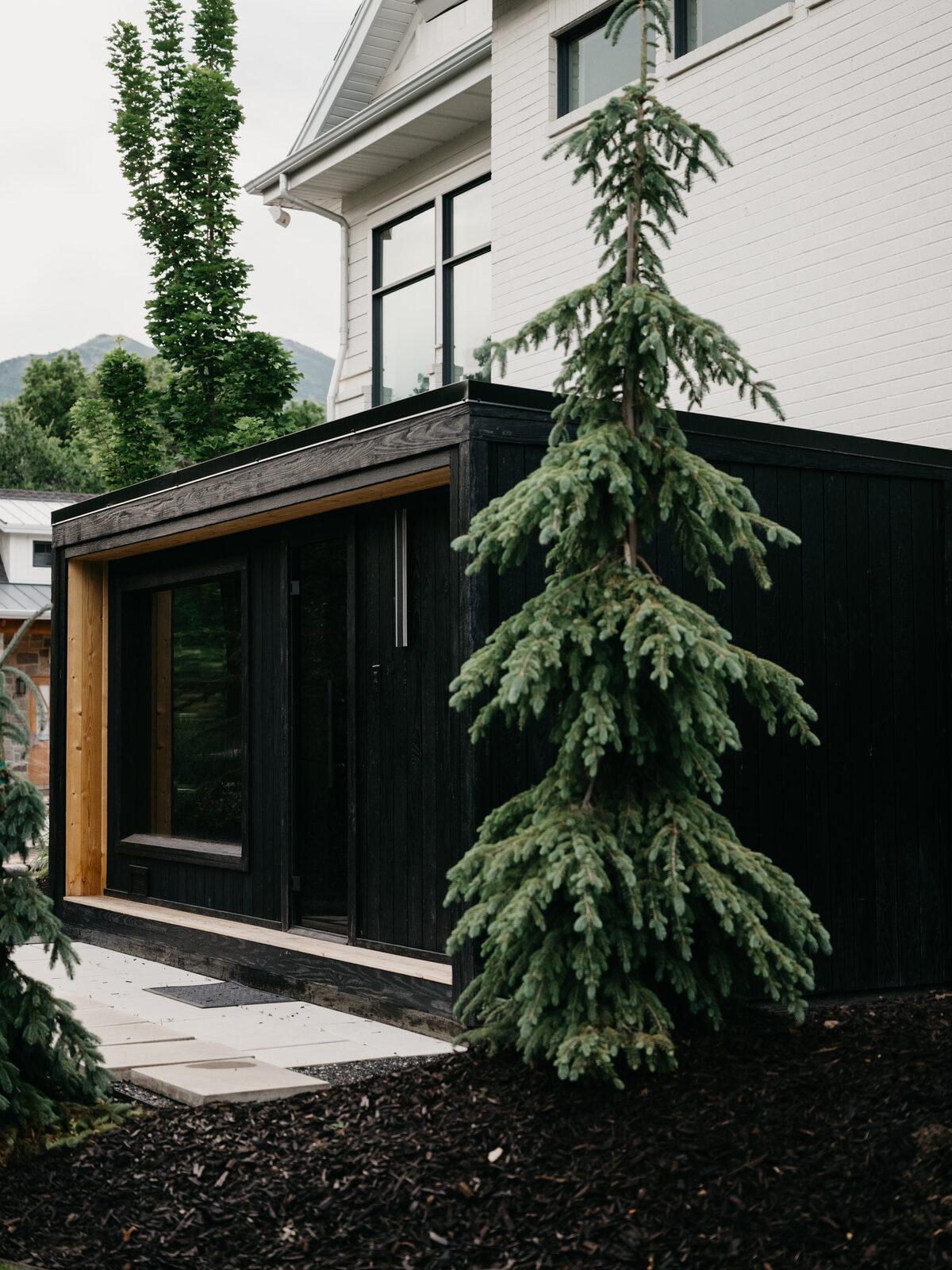
The Ground in Park City
What this site is going to ask for.
Elevation
7,000 ft
- Climate
- The season here is the shortest we work, opening late and closing early. A north-facing lot in Thaynes Canyon can hold snowpack into May while a south slope in Park Meadows is already worked, and a hard frost is possible in almost any month at this elevation. Winter is not weather here but a material — Park City Mountain measures its snowfall in the hundreds of inches — and everything planted or built is specified to live under that load and to shed the meltwater when it finally goes.
- Soil
- Under the ski runs the ground is decomposed granite and glacial till over the volcanic, mineral-bearing rock of the old Park City district — free-draining and coarse in one cut, immovable ledge a foot down in the next. Through Old Town, Prospector, and the streets below Main, that same soil carries historic mill tailings, and disturbing it triggers Park City's Soil Ordinance: opened ground has to be capped with six inches of clean approved topsoil and kept under dust control. That cap is a line item on the excavation before a single plant is specified.
- Terrain
- Most lots here are cut into a slope steep enough that usable outdoor space has to be benched and retained before it exists — a ski-in parcel at Deer Valley or Empire Pass is a structural project first and a garden second. Driveways are laid out around where the snow will be pushed and stacked, terraces around the sightline the lot was bought for, and every hard surface around the meltwater that will run across it for six weeks each spring.
- Local
- Three separate utilities deliver water across the area — Park City Municipal in town, Mountain Regional Water and Summit Water Distribution across the Snyderville Basin — and which one serves a lot sets the tap fee and the irrigation pressure before design begins. The gated communities enforce their own reviews: Promontory and Glenwild both run design committees that sign off on planting plans, wall heights, and materials. Add the Soil Ordinance in the historic core, steep-slope limits on the benches, and relentless mule deer and elk browse, and most of the constraints are settled before the palette is.
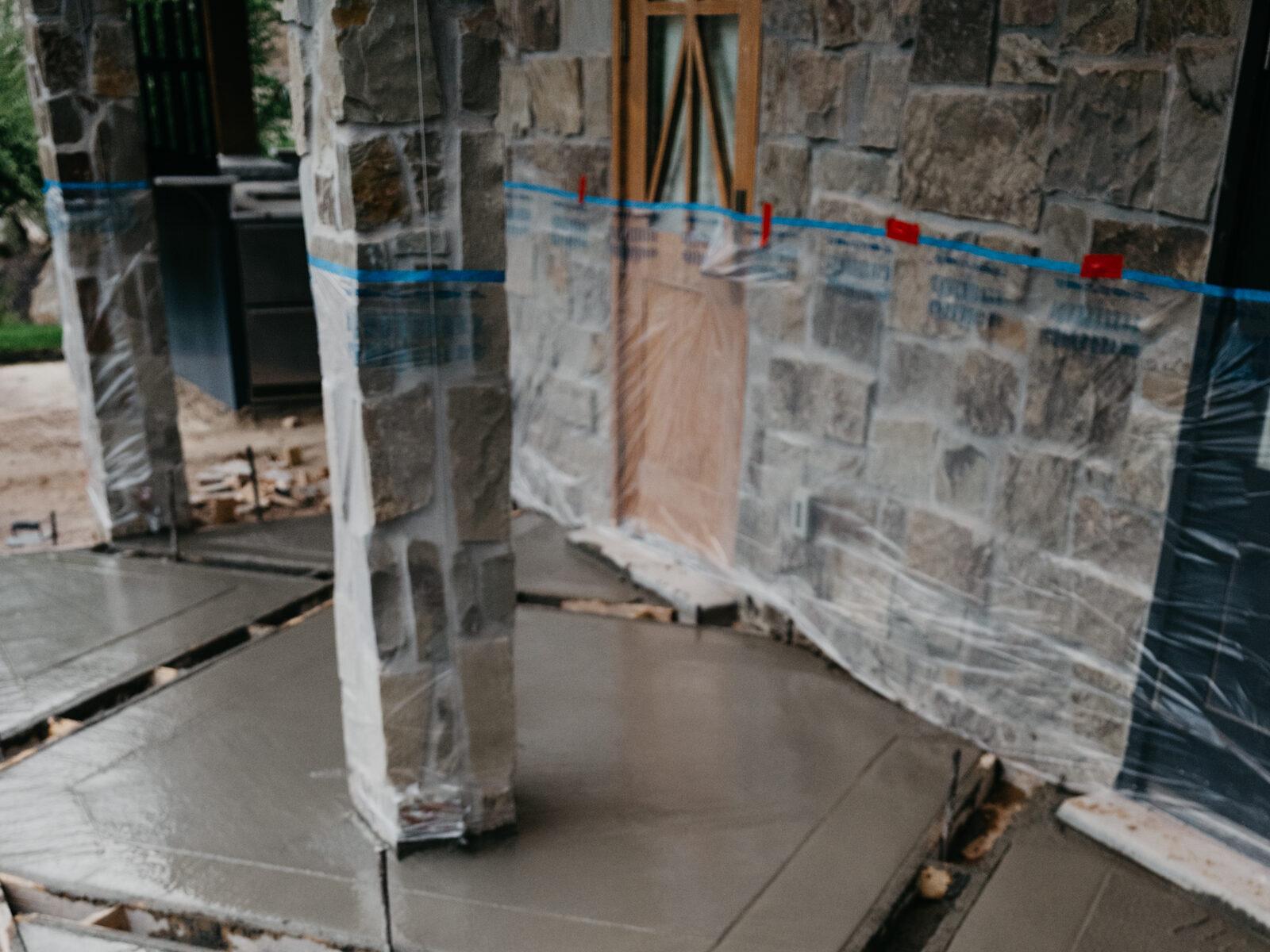
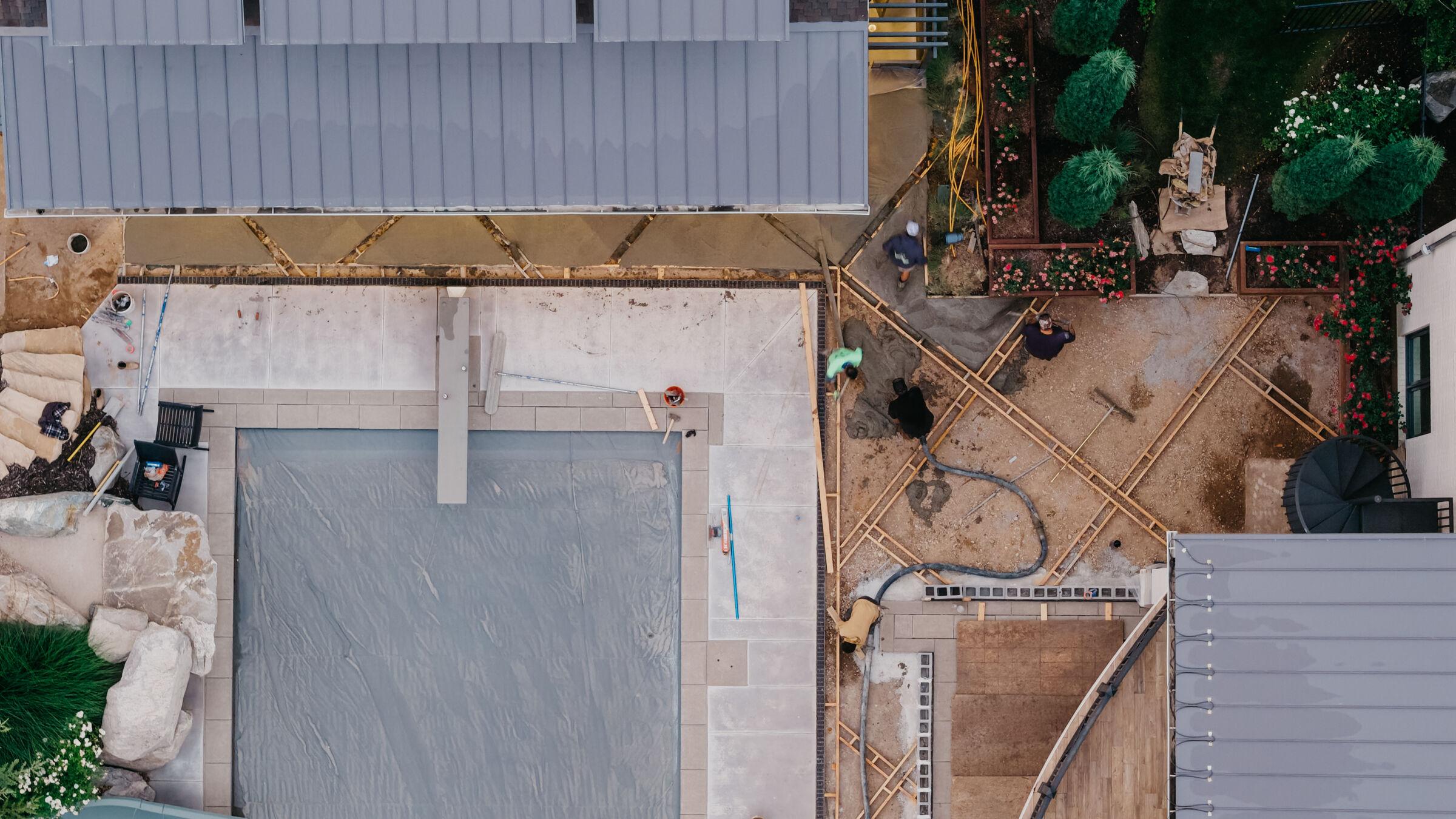
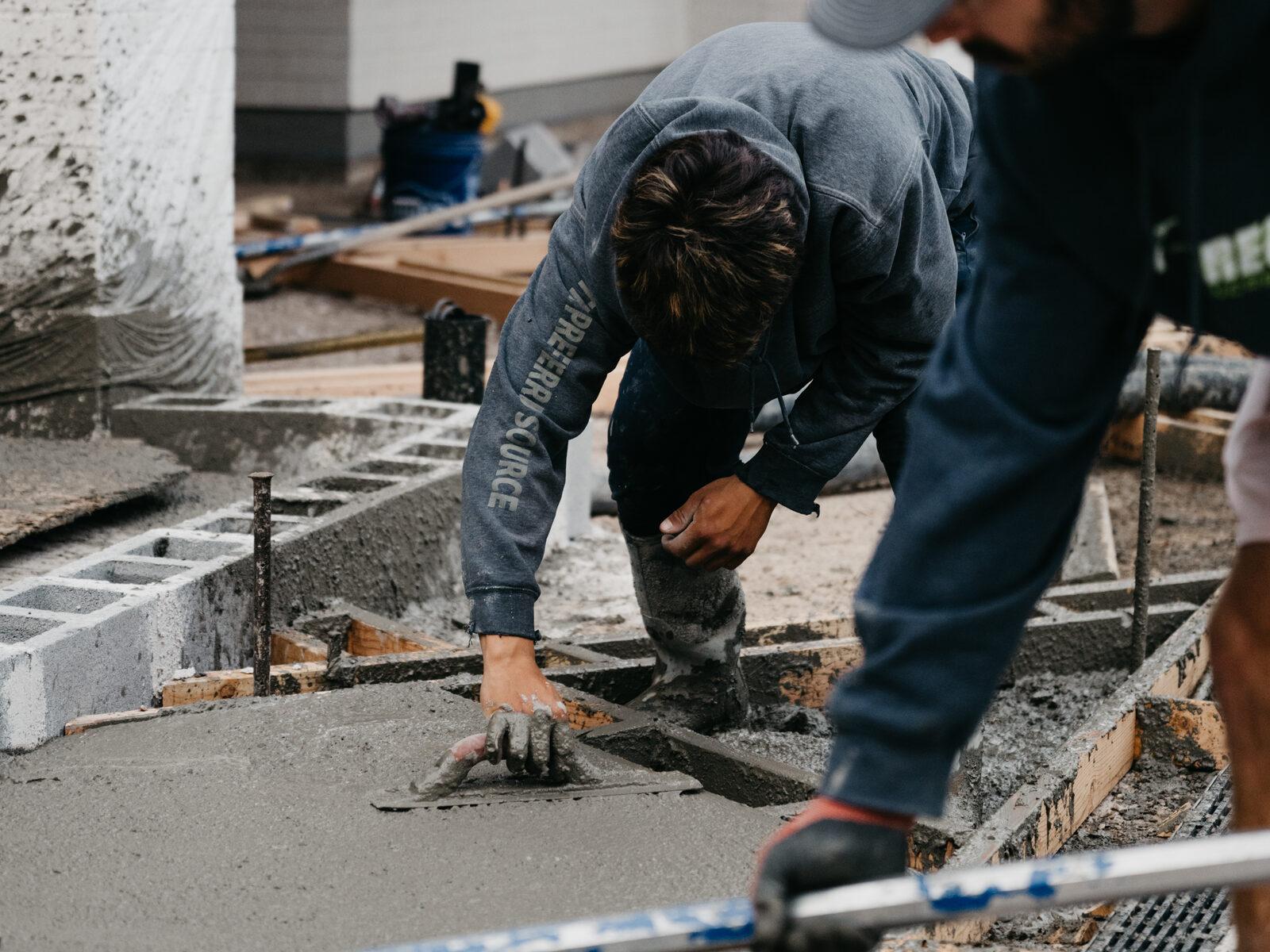
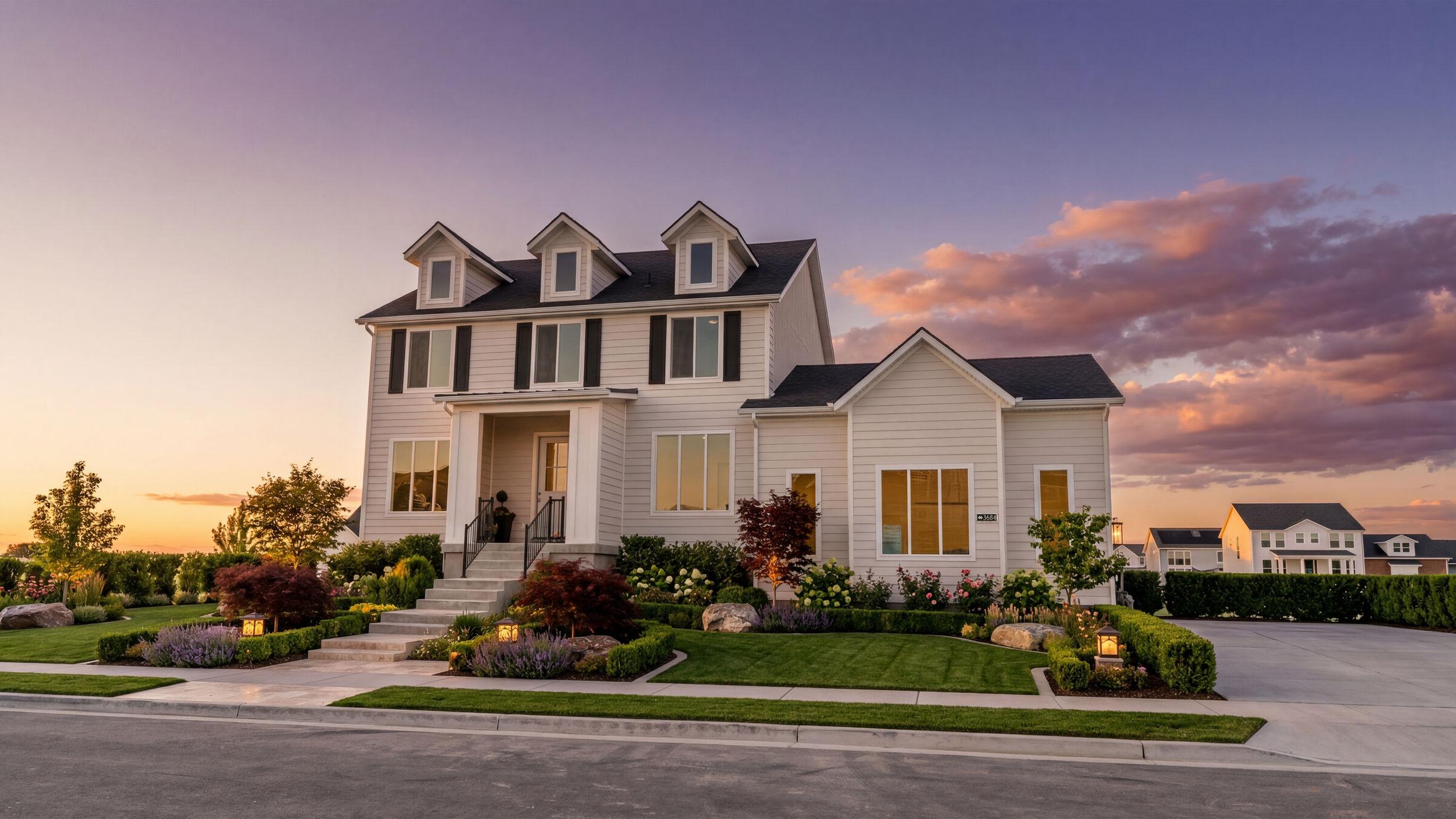
Where in Park City
We build across the whole city.
From bare-ground new builds to established gardens being rebuilt, across these Park City neighborhoods and the streets around them.
- Old Town
- Park Meadows
- Deer Valley
- Empire Pass
- Promontory
- Glenwild
- Thaynes Canyon
- Prospector
- Jeremy Ranch
- Silver Springs
- The Colony at White Pine Canyon
Near Park City Mountain Resort, Deer Valley Resort, Historic Main Street, Empire Canyon, Thaynes Canyon.
What We Build in Park City
Seven disciplines, one crew, sequenced to this ground.
Every Park City project starts with grading and drainage, then runs through retaining walls, hardscape, planting, lighting, and water. In Park City that often means a waterwise approach from the first drawing.
Common Questions
Landscaping in Park City.
- How does the mine-tailings Soil Ordinance affect a project in Old Town or Prospector?
- Inside Park City's Soil Ordinance boundary — which covers much of Old Town, Prospector, and the streets below Main — any project that disturbs soil has to cap the ground with six inches of clean approved topsoil and control dust while the work is open, because the native soil can carry elevated lead and arsenic from historic mill tailings. We budget that cap and its testing into the grading, not as a surprise at the end.
- Which plants actually survive Park City's browse pressure and short season?
- The palette is built around what mule deer and elk leave alone through a hard winter and what will set in a frost-free window of only a few weeks — species such as Rocky Mountain juniper, big sagebrush, serviceberry, yarrow, and native bunchgrasses, planted as smaller stock that establishes rather than large stock that struggles at elevation.
- Do Promontory and Glenwild require design approval for landscaping?
- Yes. Both run design review committees that approve planting plans, retaining-wall heights, materials, and often lighting before installation. We prepare and submit to those standards as part of the design, so the plan that gets built is the plan that was approved.
- What does the first conversation involve?
- Where the lot sits, what the grade does, how you want to use the space, and the range you have in mind. We will tell you what the ground is likely to ask for before anyone talks about a design.
- Do you work year-round in Park City?
- Our crews run year-round. Installation concentrates in the April-to-October window when the ground is workable, while design, site reading, and scheduling carry on through the winter — which is the best time to get a spring start held.
Also in Summit & Wasatch County
Other areas we serve
Tell us about the site in Park City.
Where the lot sits, what the grade does, and what you want out of it. We'll tell you what the ground is going to ask for before anyone talks about a design.
Start a Project