Landscaping in North Ogden, Utah
Below Ben Lomond, the wind is the specification.
North Ogden climbs the foothill bench beneath Ben Lomond and the North Ogden Divide, and this ground takes more wind than anywhere else in the service area. On these lots the plant list is a durability decision before it is a design one.
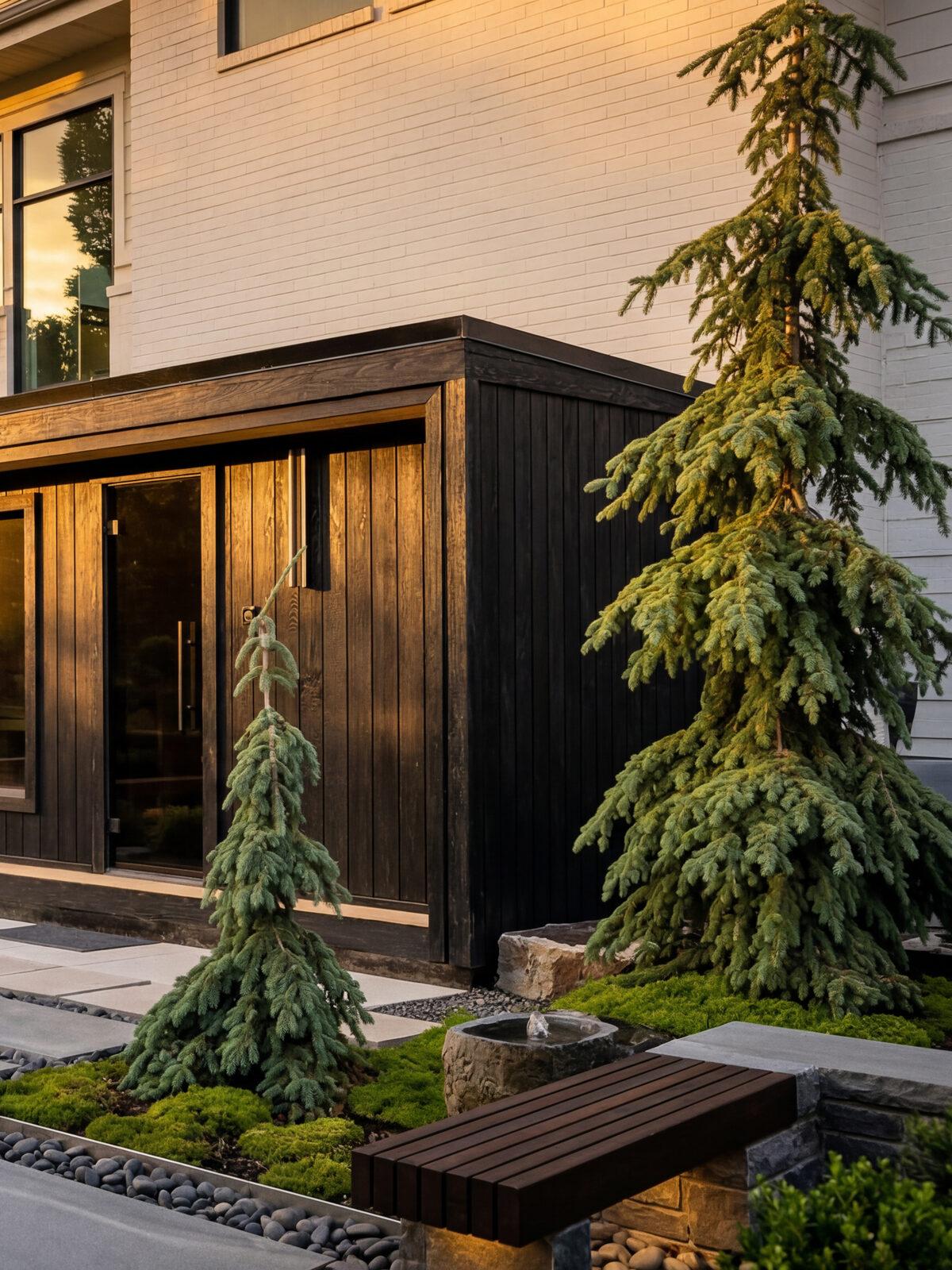
The Ground in North Ogden
What this site is going to ask for.
Elevation
4,550 ft
- Climate
- North Ogden sits directly in the path of the downslope winds that pour off Ben Lomond and over the North Ogden Divide, and they do more here than on the Ogden bench a few miles south — hard enough that the state is gating the Divide road for weather closures. Combined with a semi-arid climate and a season that shortens as the bench climbs, the exposure narrows the workable palette considerably and makes desiccation, not cold, the thing most plantings lose to.
- Soil
- The bench is built on coarse alluvial-fan and glacial-outwash material shed from the canyons above — Coldwater Creek among them — so it runs rocky, free-draining, and uneven, with cobble that turns up wherever a footing goes in. The higher lots sit near the Lake Bonneville shoreline terraces and drain hard; the real problem is holding moisture in a windswept bed, not shedding it.
- Terrain
- The defining lots are the newer foothill subdivisions stepping up the bench — Coldwater and the upper-bench estates — where the grade is steep, the west view is the reason the lot cost what it did, and usable flat ground has to be cut and retained out of the slope. Lower in town the older grid lots sit gentler, but the wind reaches both.
- Local
- The newer bench subdivisions carry HOAs and view-corridor expectations that the older grid below does not, so screening and windbreak placement get resolved against a sightline as much as against the wind. Irrigation runs on Weber Basin Water Conservancy District secondary water, metered on the state schedule, so beds are hydrozoned against a seasonal supply. On the steeper lots a retaining wall over four feet — or one carrying a driveway or the slope above it — needs engineered drawings and a North Ogden permit, and a windbreak is engineered as structure, not planted for symmetry.
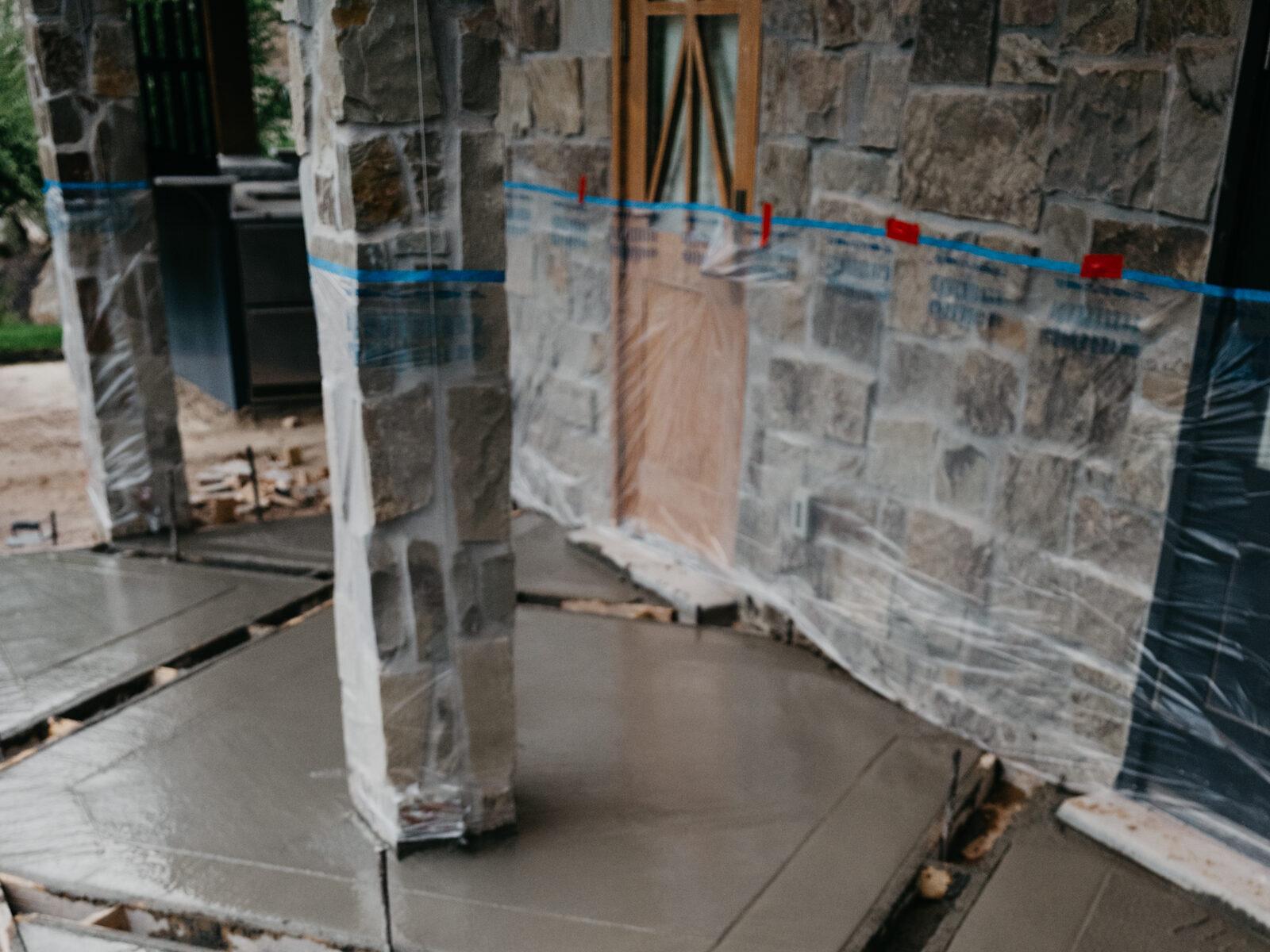
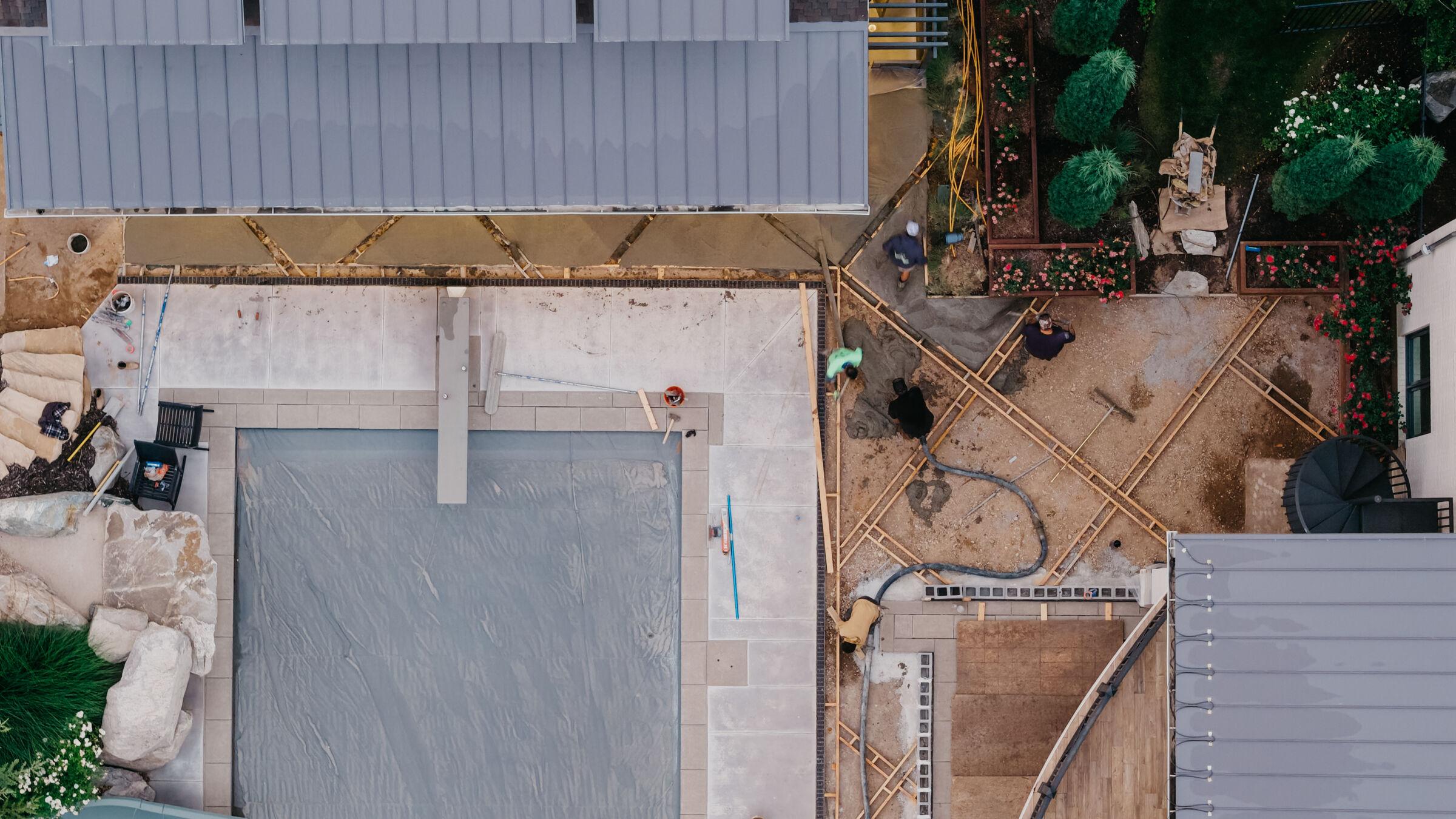
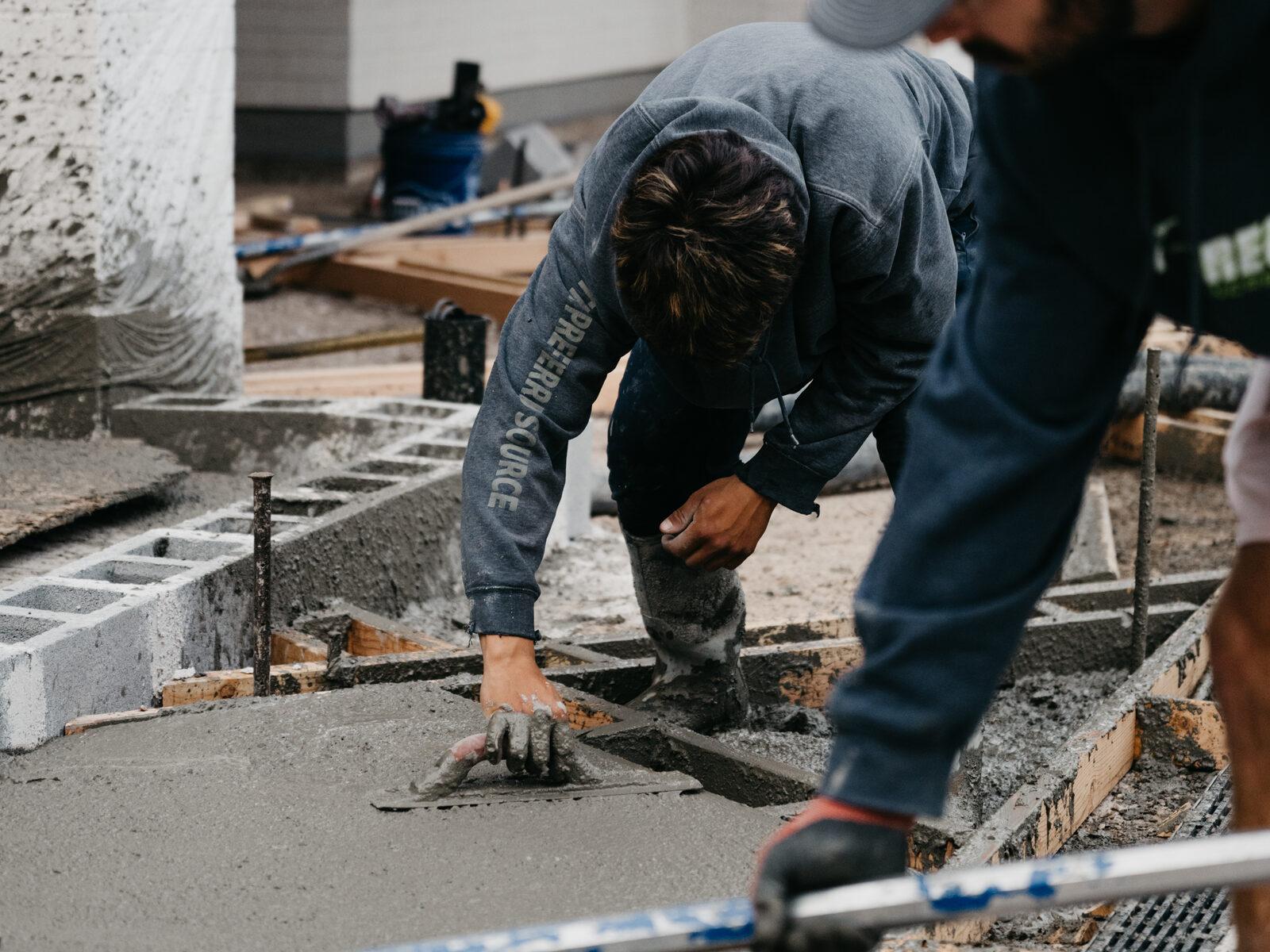
Where in North Ogden
We build across the whole city.
From bare-ground new builds to established gardens being rebuilt, across these North Ogden neighborhoods and the streets around them.
- Coldwater Canyon
- Coldwater Creek Estates
- Ben Lomond bench
- the upper North Ogden bench
Near Ben Lomond Peak, North Ogden Divide, Coldwater Canyon.
What We Build in North Ogden
Seven disciplines, one crew, sequenced to this ground.
Every North Ogden project starts with grading and drainage, then runs through retaining walls, hardscape, planting, lighting, and water. In North Ogden that often means a waterwise approach from the first drawing.
Common Questions
Landscaping in North Ogden.
- What actually survives the wind in North Ogden?
- Wind, not cold, is what kills plantings here. We build from wind-firm natives and adapted species — Rocky Mountain juniper, Gambel oak, serviceberry, big sagebrush, rabbitbrush — set as smaller stock that roots deep and establishes, rather than large caliper that spends three years on guy wires and loses its leader to the first hard blow. A structural windbreak goes in first, so the rest of the palette becomes possible.
- Why terrace the foothill lots instead of grading them flat?
- These lots drop too fast to grade into a single usable plane without either a tall cut or a tall fill, and both invite failure on this rocky ground. Stepping the grade into terraces — each held by an engineered wall with drainage behind it — turns the slope into level ground you can actually use while keeping the fall, and the wind-driven runoff, moving away from the house.
- Is the whole town equally exposed to the wind?
- No — exposure here is street by street. The downslope flow off the Divide and Ben Lomond concentrates in some drainages and skips others, so we assess the specific lot on site before writing a palette. A county-level, or even a city-level, assumption is worthless when the next street over sits calm.
- Can you take on one part of the yard rather than all of it?
- Yes, though we will still read the whole site first. Water and grade do not respect a project boundary, so we make sure a single phase does not create a problem for the ground next to it.
- What does the first conversation involve?
- Where the lot sits, what the grade does, how you want to use the space, and the range you have in mind. We will tell you what the ground is likely to ask for before anyone talks about a design.
Also in Weber County
Other areas we serve
Tell us about the site in North Ogden.
Where the lot sits, what the grade does, and what you want out of it. We'll tell you what the ground is going to ask for before anyone talks about a design.
Start a Project