Service Area — Weber County
The wind decides the plant list.
Weber County has an exposure problem that the rest of northern Utah does not. The downslope winds that come off the Wasatch through autumn and winter arrive dry, hard, and strangely local — one street takes them and the next does not. Anything we plant or build here is specified against that first.
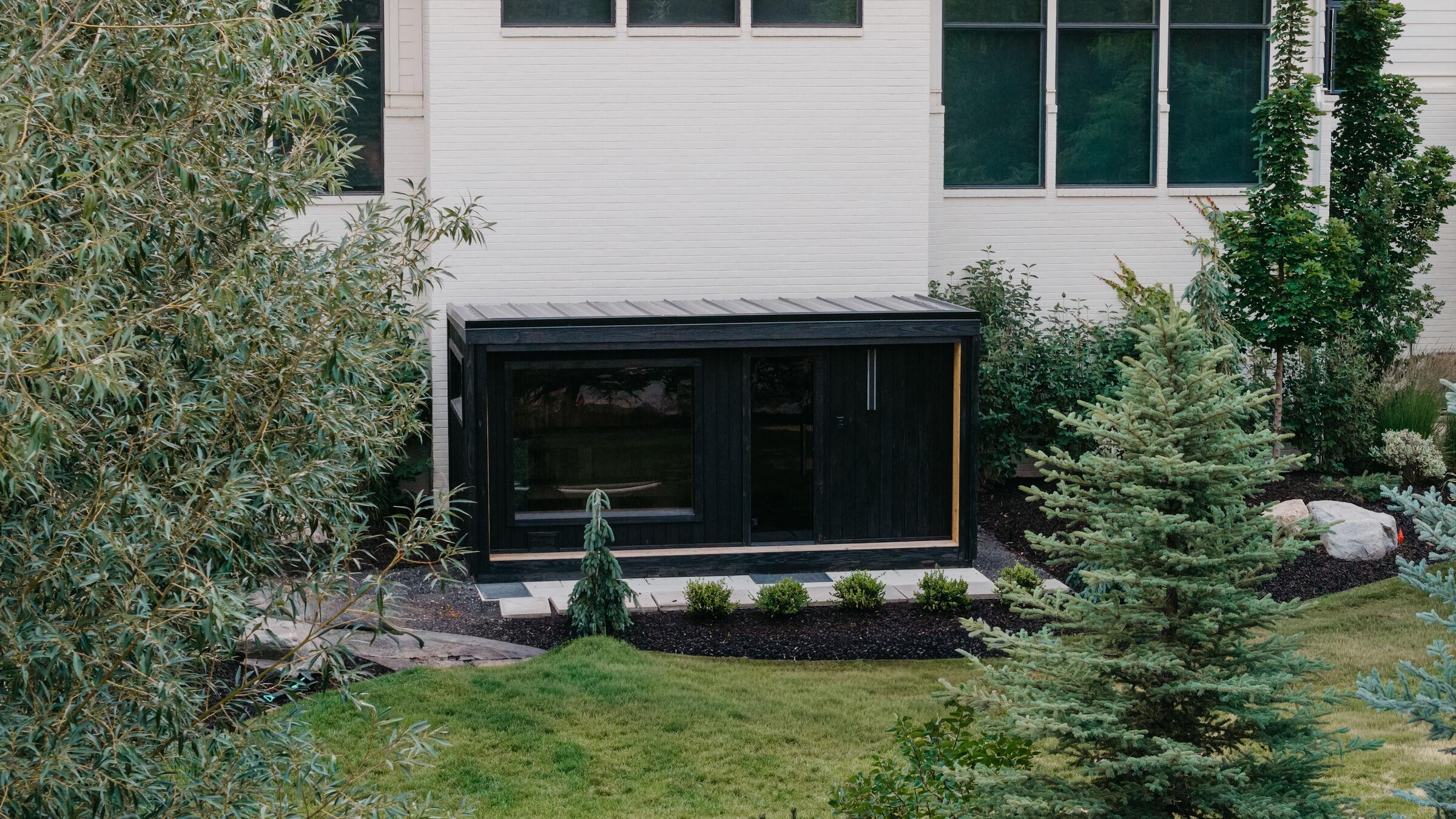
Exposure, slope, and three different climates
- Canyon wind
- Ogden and North Ogden sit in the path of downslope east winds off the Wasatch. They break young trees, strip evergreens, and dry a planting bed out in a day. We plant smaller stock that establishes rather than large stock that needs guying for three years, and anything loose — screens, panels, gates — is detailed for uplift.
- Foothill slope
- Below Ben Lomond and Mount Ogden the bench lots are short and steep, dropping fast to the street. Terracing does more work here than anywhere else in the service area, and it is usually the only way to get flat, usable ground out of the property.
- Two climates
- Huntsville sits over the divide in the Ogden Valley — higher, colder, snowier, and a shorter season. Its plant palette has more in common with Summit County than with the Ogden bench fifteen miles away.
- New ground
- West Haven is the inverse case: flat former farmland, heavier soils, a high water table, and no shelter at all. No canopy, no established grade, and drainage that has to be designed rather than inherited.
- Windbreak strategy
- A windbreak is a structural decision, not a planting flourish. Placed correctly it makes the rest of the palette possible; placed for symmetry it does nothing and takes ten years to prove it.
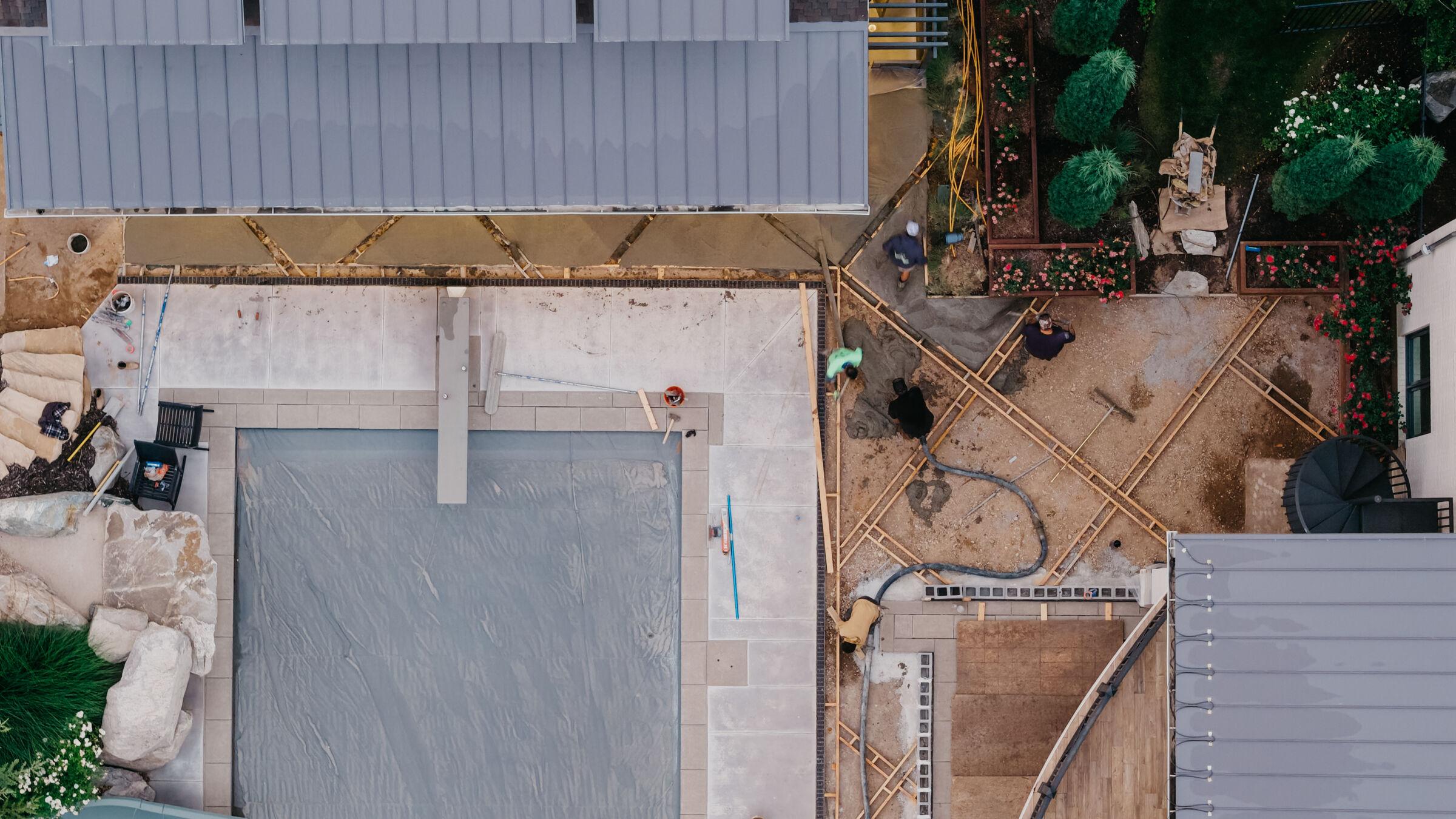
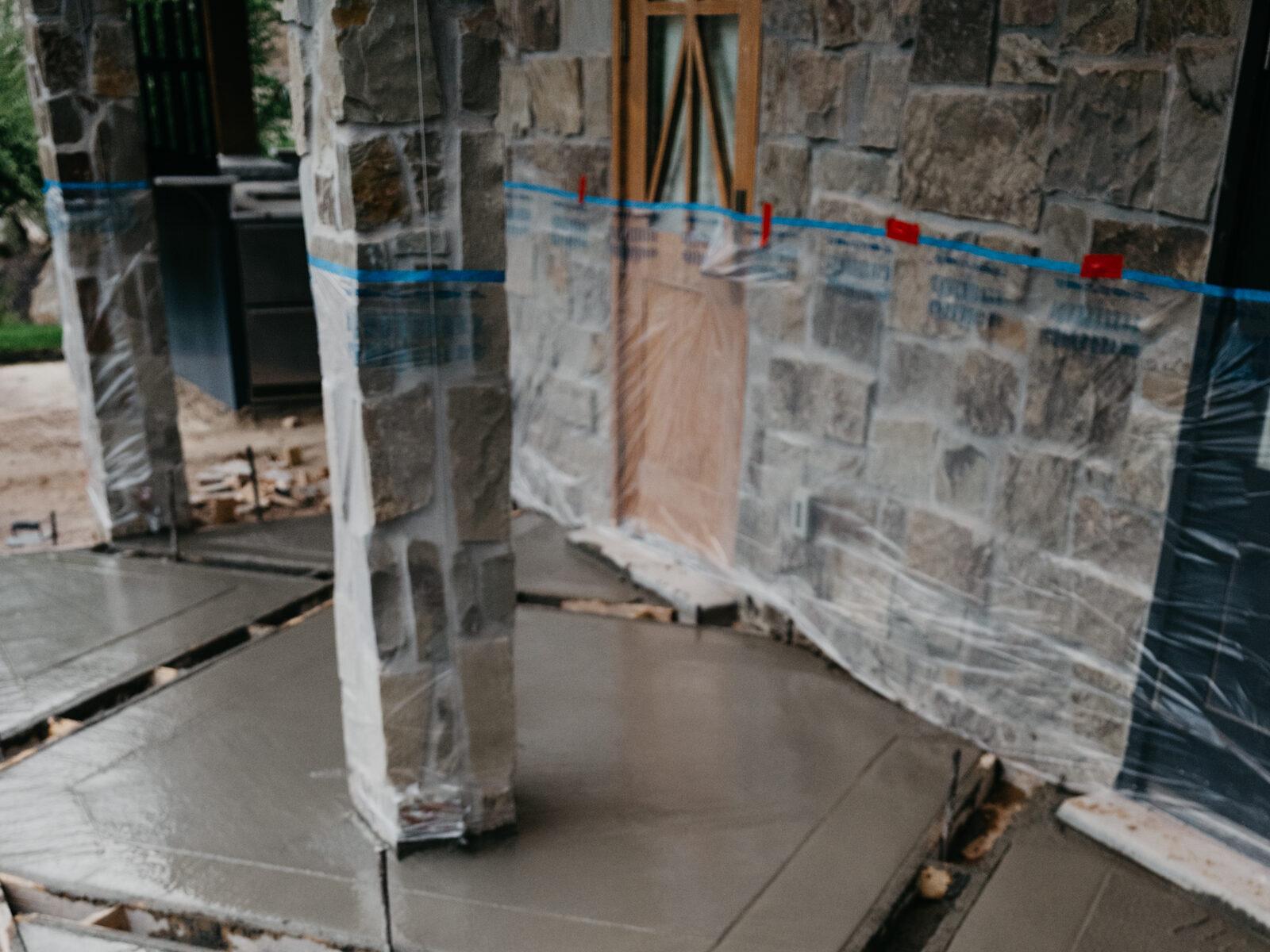
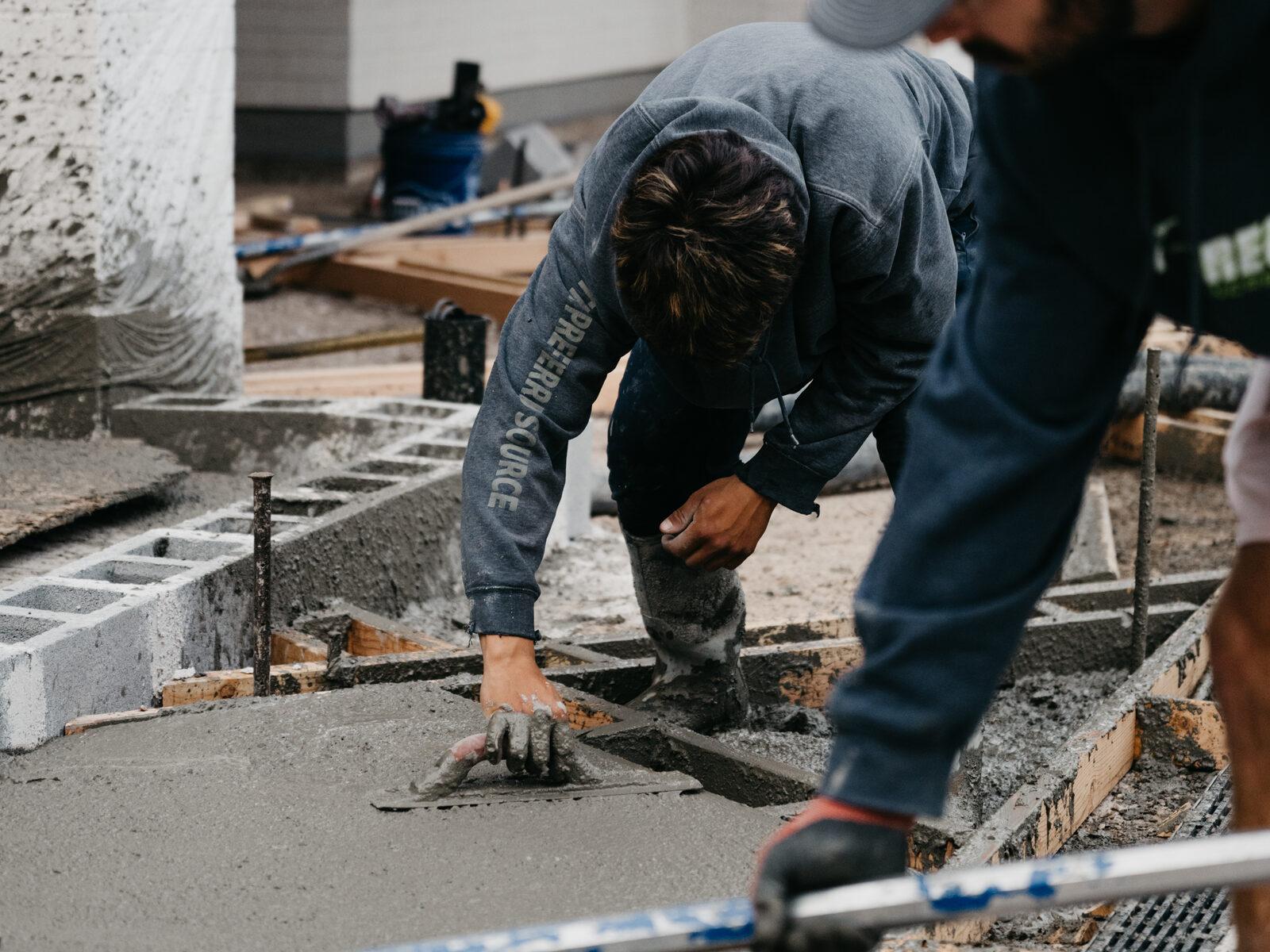
Lot character
On the Ogden bench the properties are older, smaller, and steeper than their Davis County equivalents, and the fall from the back of the house to the rear boundary is often the entire design opportunity.
In the valley and out west the lots are flatter and newer, which sounds easier and is not — flat ground with a high water table and no shelter means every element of the environment, from fall to windbreak to soil profile, has to be built rather than adapted.
What that means for the build
- 01
Exposure is assessed on site before the plant palette is written, because the wind is local enough that a county-level assumption is worthless.
- 02
On foothill lots the terracing and its drainage are engineered first; the finish follows the structure.
- 03
On flat western lots we build the grade and the soil profile rather than assuming either one is usable as found.
Communities
Four communities that share a county and very little else.
Ogden
Older bench neighborhoods, steep short lots, and full wind exposure.
Ogden landscaping →North Ogden
The most wind-exposed ground we work in. Plant selection here is a durability decision.
North Ogden landscaping →West Haven
Flat former farmland — new subdivisions, heavy soil, high water table, no shelter.
West Haven landscaping →Huntsville
Ogden Valley elevation and snowfall. Effectively an alpine site, and planned like one.
Huntsville landscaping →
What We Build Here
The same seven disciplines, sequenced to this ground.
Every project in Weber starts with grading and drainage, because that is where the outcome is decided. From there the work runs through retaining walls, patios and hardscape, planting, lighting, and water — one crew, one sequence, no handoff at the point where it matters.
Also Serving
- Summit & WasatchThe alpine corridor — shorter seasons, steeper grades, and the most demanding site conditions in the state.
- DavisBench lots with long views west across the lake and hard clay soils that dictate drainage strategy.
- Salt LakeEstablished east-bench neighborhoods where mature canopy and tight access shape the whole approach.
Common Questions
Landscaping in Weber County.
- Why does the wind decide the plant list here?
- The downslope east winds that come off the Wasatch through autumn and winter arrive dry, hard, and strangely local — one street takes them and the next does not. They break young trees and strip evergreens, so we plant smaller stock that establishes rather than large stock that needs guying for three years, and detail anything loose for uplift.
- Is Huntsville the same as Ogden for planting?
- No. Huntsville sits over the divide in the Ogden Valley — higher, colder, snowier, and a shorter season. Its plant palette has more in common with Summit County than with the Ogden bench fifteen miles away, and we plan it like an alpine site.
- My foothill lot is short and steep — what does that mean?
- Below Ben Lomond and Mount Ogden the bench lots drop fast to the street. Terracing does more work here than anywhere else in the service area, and it is usually the only way to get flat, usable ground out of the property.
- What about the flat new lots out in West Haven?
- Flat former farmland is harder than it sounds — heavier soils, a high water table, and no shelter at all. With no canopy and no established grade, the drainage has to be designed rather than inherited.
- Is a windbreak just decorative planting?
- No — it is a structural decision. Placed correctly it makes the rest of the palette possible; placed for symmetry it does nothing and takes ten years to prove it. On exposed ground it is planned before the rest of the planting, not after.
Tell us about the site.
Where the lot sits, what the grade does, and what you want out of it. We will tell you what the ground is going to ask for before anyone talks about a design.
Start a Project