Landscaping in Layton, Utah
The widest range of ground in the county.
Layton is the largest city in Davis and holds the county's whole story inside one boundary: the high, steep East Layton bench below Adams Canyon at one end, flat clay flats running west toward the lake and Hill Air Force Base at the other. Two projects fifteen minutes apart can want opposite things.
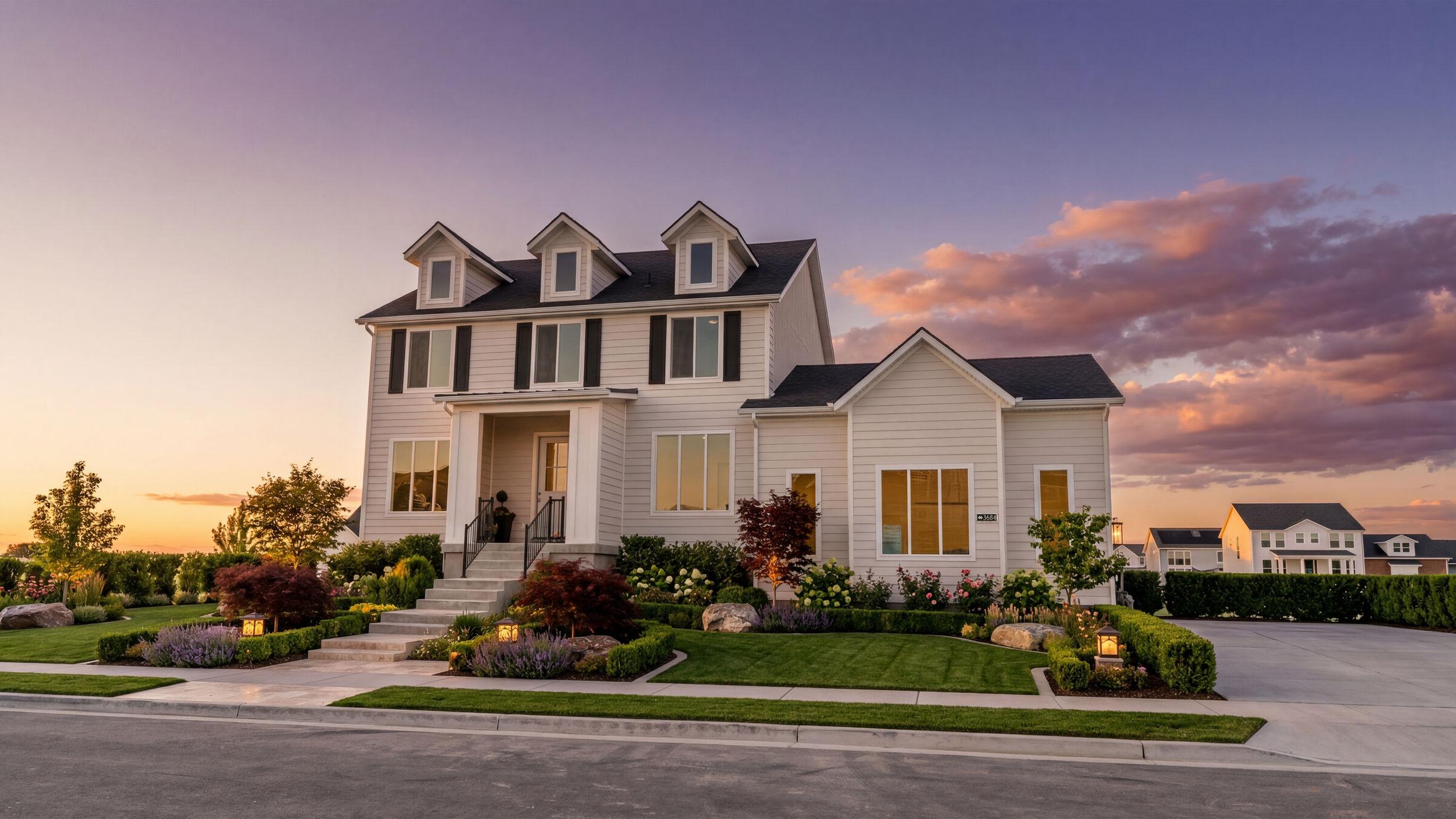
The Ground in Layton
What this site is going to ask for.
Elevation
4,500 ft
- Climate
- Climate here is a function of where the lot sits. East Layton, up around 4,750 feet on the bench, runs cooler, windier, and a touch later into spring, and takes a downcanyon draft off Adams Canyon that dries exposed planting. The western flats are warmer, stiller, and lower. The frost-free window shifts by days across that spread, so the planting calendar is written to the parcel rather than to the city.
- Soil
- East Layton sits on the Adams Canyon fan and the Bonneville shoreline — steep, cobbly, free-draining delta gravel that turns up rock a foot down and swallows base material. West of Highway 89 the ground flattens and fines to heavier silt and clay approaching the lake, slow to drain and quick to hold surface water. The same crew specifies a different base, a different backfill, and a different drainage strategy at the two ends of town.
- Terrain
- On the east bench — Oak Hills, Oak Forest, Country Oaks, Adams Estates — the lots are large custom parcels with real grade, where terracing and the drainage behind it are the structure that makes flat, usable ground exist at all. West of the highway the subdivisions are flatter and newer, laid out for production, where there is no inherited fall to borrow and every surface gets a designed slope and a defined place to send water.
- Local
- Weber Basin supplies culinary water; landscape irrigation draws on the Layton Canal and secondary systems on a delivery schedule. Layton City reviews site and grading plans, and the steep east-bench lots trigger hillside and retaining-wall review — anything over four feet or carrying a surcharge is engineered and permitted. The upper-bench neighborhoods along the Bonneville Shoreline Trail sit at the wildland edge, where mule deer work the gardens through winter and the plant palette is chosen with that in mind.
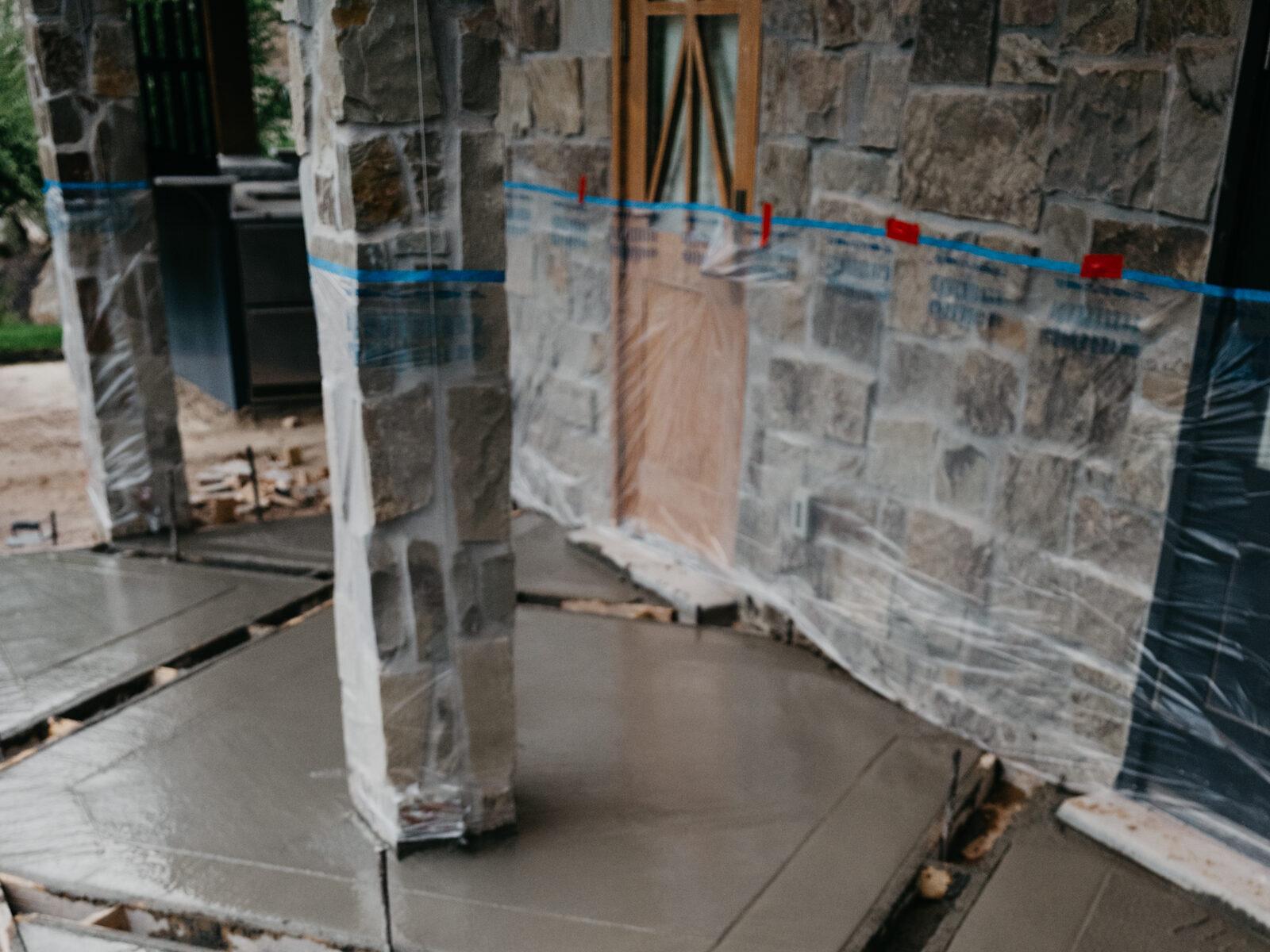
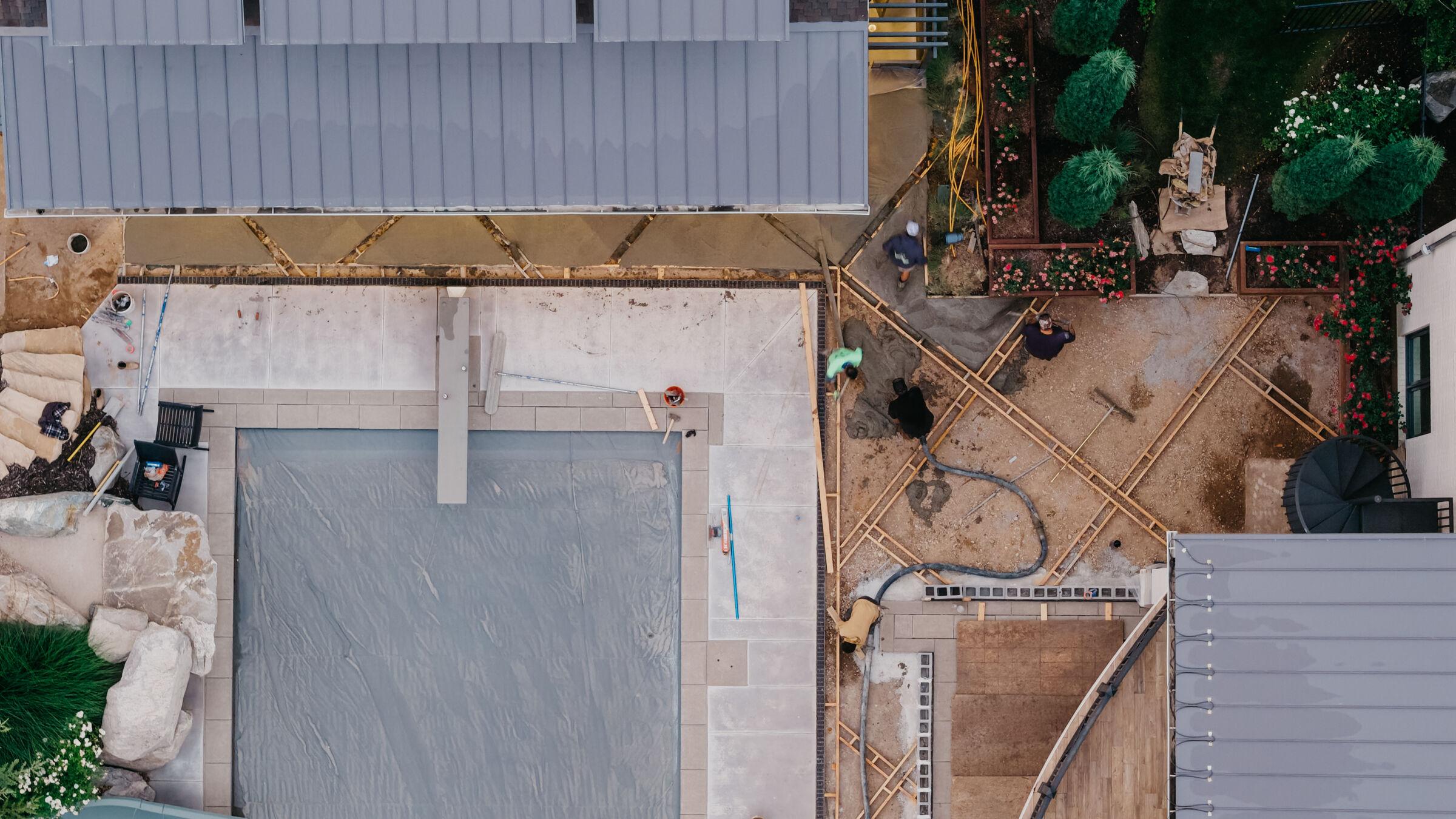
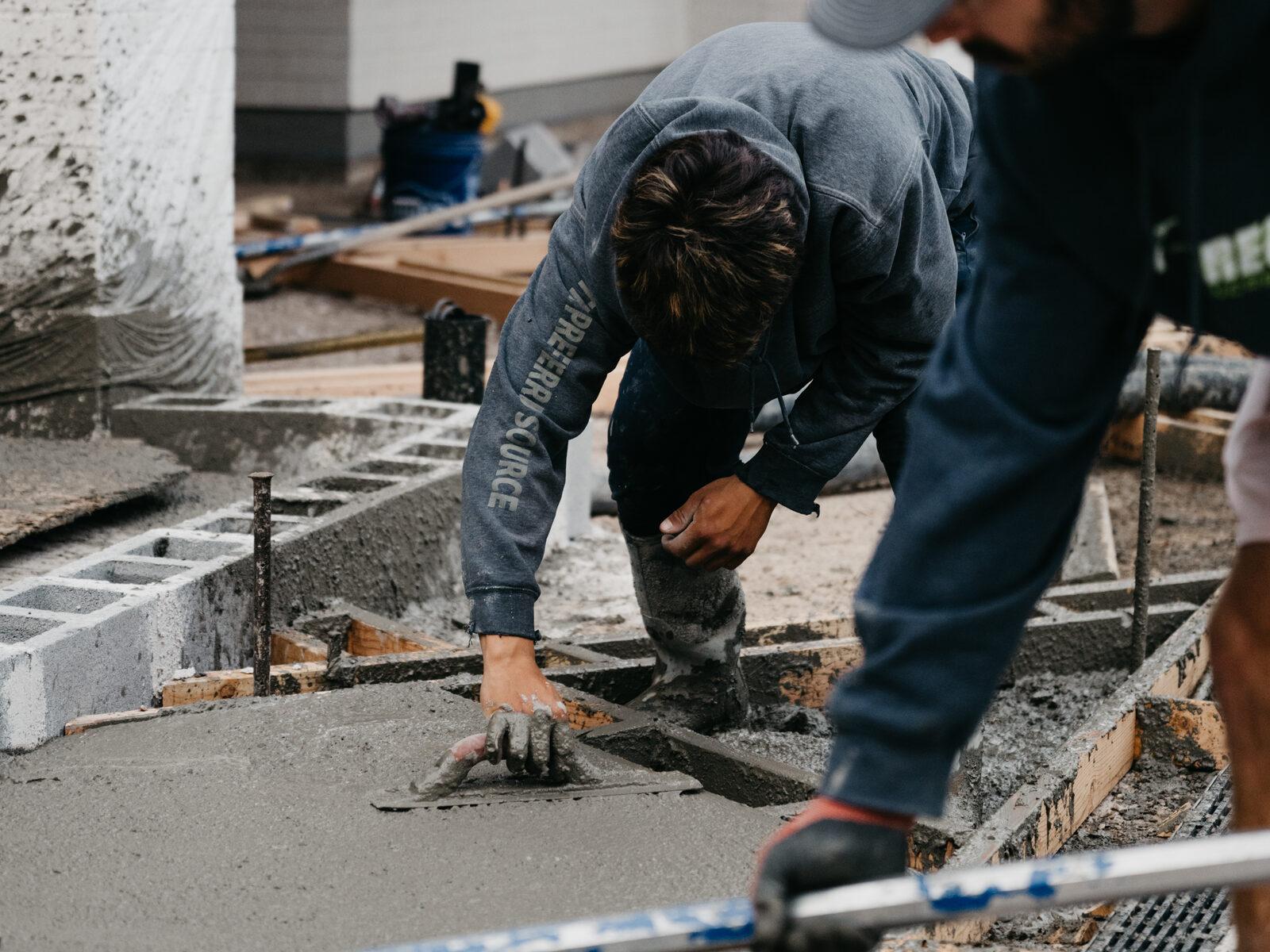
Where in Layton
We build across the whole city.
From bare-ground new builds to established gardens being rebuilt, across these Layton neighborhoods and the streets around them.
- East Layton
- Oak Hills
- Oak Forest
- Country Oaks
- Adams Estates
- Kays Crossing
Near Adams Canyon Trail, Bonneville Shoreline Trail, Layton Commons Park, Hill Air Force Base, Kays Creek.
What We Build in Layton
Seven disciplines, one crew, sequenced to this ground.
Every Layton project starts with grading and drainage, then runs through retaining walls, hardscape, planting, lighting, and water. In Layton that often means a waterwise approach from the first drawing.
Common Questions
Landscaping in Layton.
- Why do East Layton bench projects cost more to build than the ones west of the highway?
- Grade and rock. A steep bench lot has to be cut, retained, and drained before it can be planted, and the Adams Canyon fan turns up cobble and boulders that slow excavation and change the base detail. The flat western lots skip the retaining but inherit no fall, so their cost moves into building drainage the bench gets for free.
- We're on the upper bench near the Shoreline Trail. How much of a problem is deer?
- Enough to design around. Mule deer browse the bench neighborhoods hard through winter, so the palette is chosen for it from the start — a garden planted without that in mind gets planted twice. We lean on the plants deer leave alone and place the vulnerable material where it is least exposed.
- Does the runoff off Adams Canyon reach the bench lots?
- It can. Snowmelt and storm flow off the canyon arrive as sustained runoff in spring, and a bench lot is built to move it through the site to a daylighted outlet rather than let it pond against a wall or a foundation. We size the drainage for a load that runs for weeks, not for a single afternoon storm.
- Do you handle permits and HOA approval?
- We prepare what the local building department and, where one exists, the HOA architectural committee need — grading and drainage details, wall sections, and material specifications. Requirements differ by jurisdiction, so we confirm them for your address before design is finalised.
- Do you self-perform the work or subcontract it?
- We run our own crews on grade, compaction, drainage, and structure — the parts that decide whether everything above them survives. The people who set the grade are the people who set the stone.
Also in Davis County
Other areas we serve
Tell us about the site in Layton.
Where the lot sits, what the grade does, and what you want out of it. We'll tell you what the ground is going to ask for before anyone talks about a design.
Start a Project