Service Area — Summit & Wasatch Counties
A short season on a long slope.
Summit and Wasatch are the most demanding conditions we work in. The season is compressed at both ends, the grades are steeper than anywhere else on the Wasatch Back, and the water arrives as six weeks of snowmelt rather than an afternoon of rain. Everything about the build sequence answers to that.
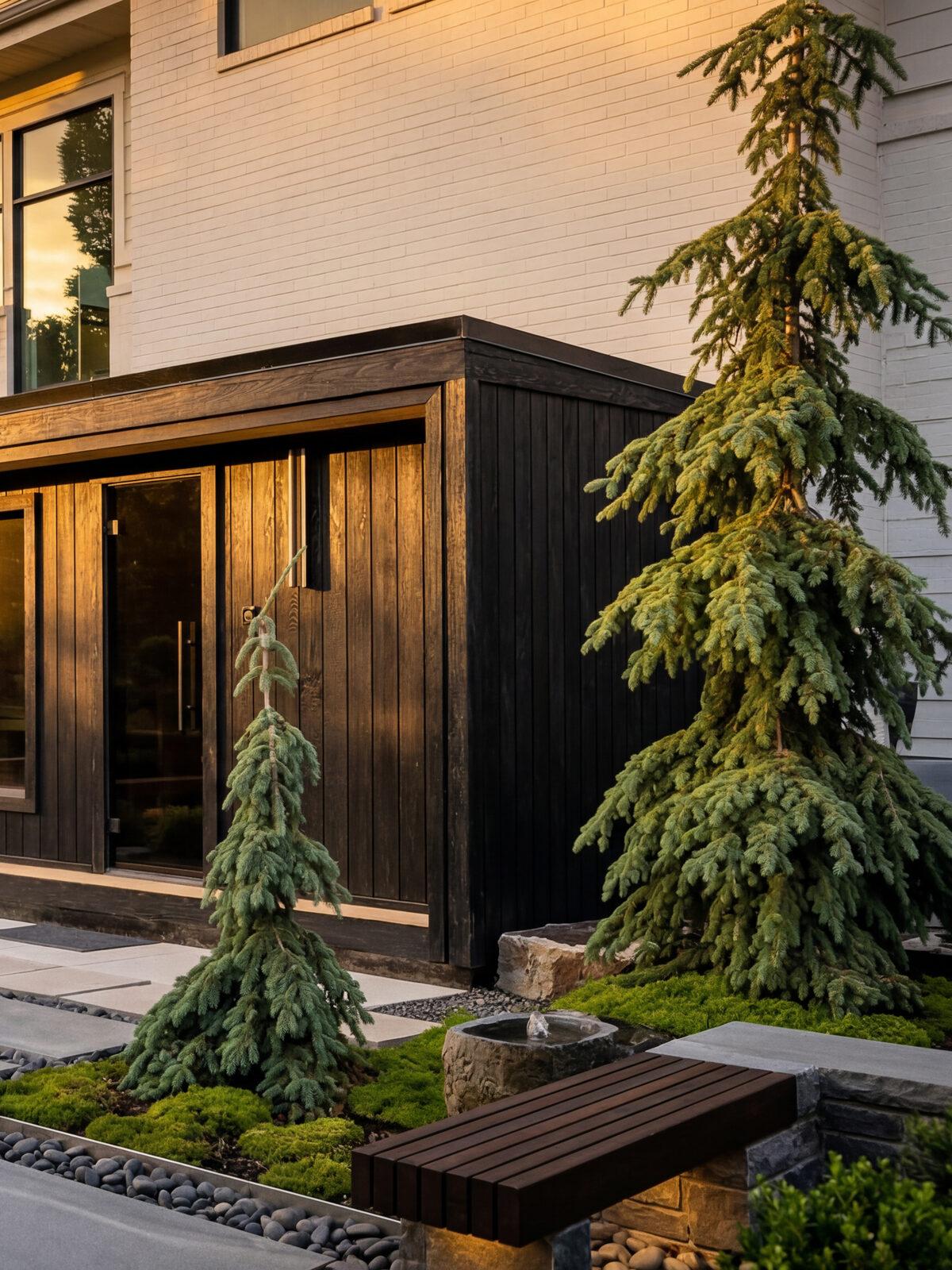
What the ground does here
- Elevation
- Park City sits near 7,000 feet, the Heber Valley floor near 5,600, Kamas around 6,500. The frost-free window across those elevations differs by weeks. The planting calendar gets written to the site, not to the county.
- Frost depth
- Footings, wall bases, and irrigation mainlines all go deeper here than on the valley floor. Frost depth is the first number we confirm with the local building department, and it changes what a retaining wall costs before a single block is set.
- Soil
- Glacial and alluvial deposits, cobble, and decomposed granite through much of the corridor — free-draining in places, immovable rock a foot down in others. Midway sits over calcareous hot-spring deposits, and tufa turns up in excavation there and nowhere else we work.
- Snowmelt
- Runoff here is sustained rather than sudden. Drainage is sized for a load that runs for weeks in spring, not for a single storm event, and the discharge point has to still work when the ground below it is frozen.
- Snow storage
- Snow is a material at these elevations. Where it gets pushed, stacked, and melted decides where the terrace goes, which plants survive the plow line, and whether the drive drains or glazes over.
- Browse pressure
- Mule deer and elk work these neighborhoods hard through winter. The plant palette is chosen with that in mind, or it is chosen twice.
Lot character
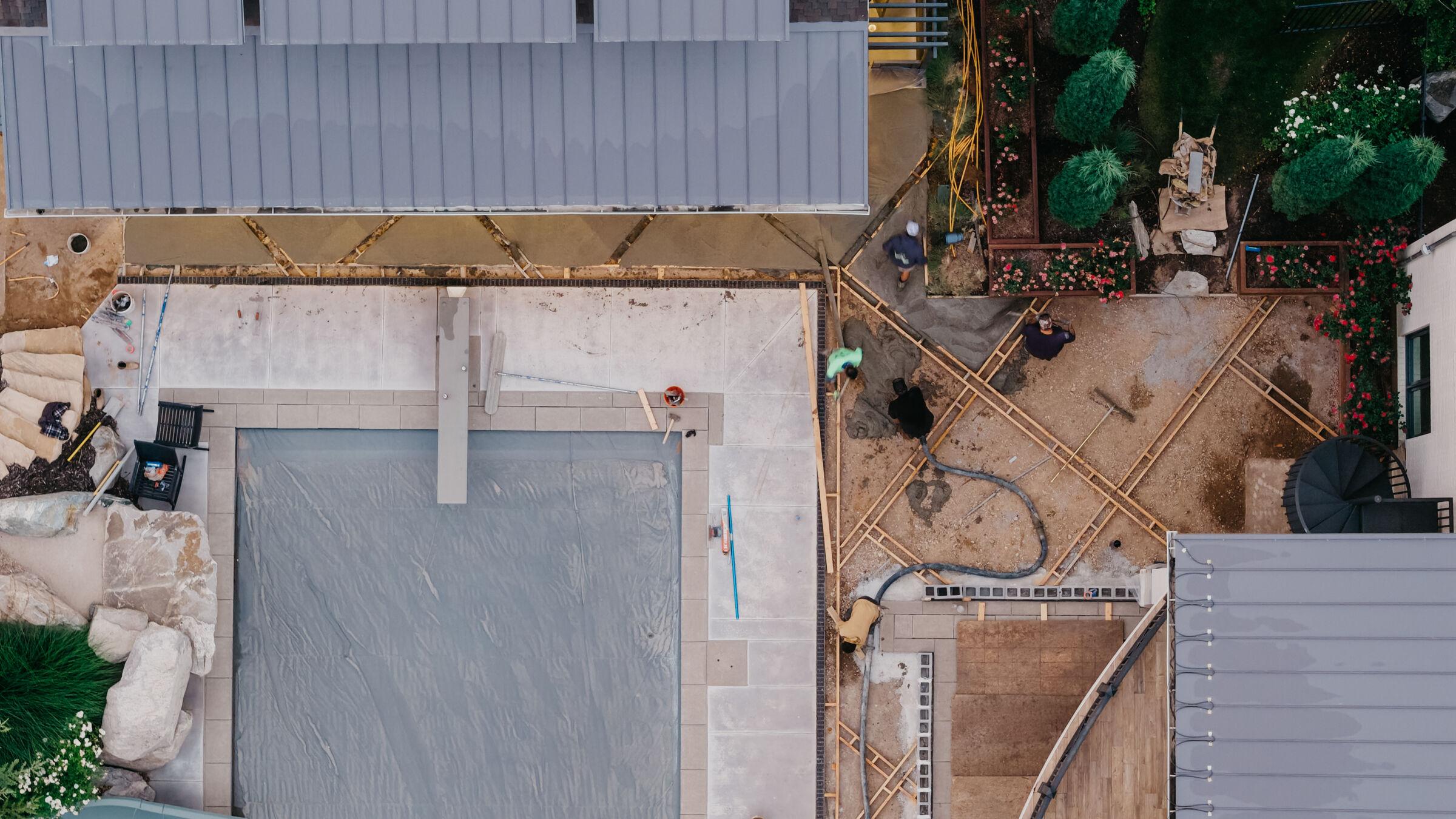
Most of what we are asked to do here sits on a slope, and slope is what makes these projects structural rather than decorative. Usable outdoor space has to be cut and held before it can be planted, which means retaining, drainage behind the retaining, and a grade that sheds water away from the house through every season.
The other constant is the view. These lots were bought for what they look at, so screening, terrace placement, and lighting are all resolved against a sightline that the owner can usually describe from memory.
What that means for the build
- 01
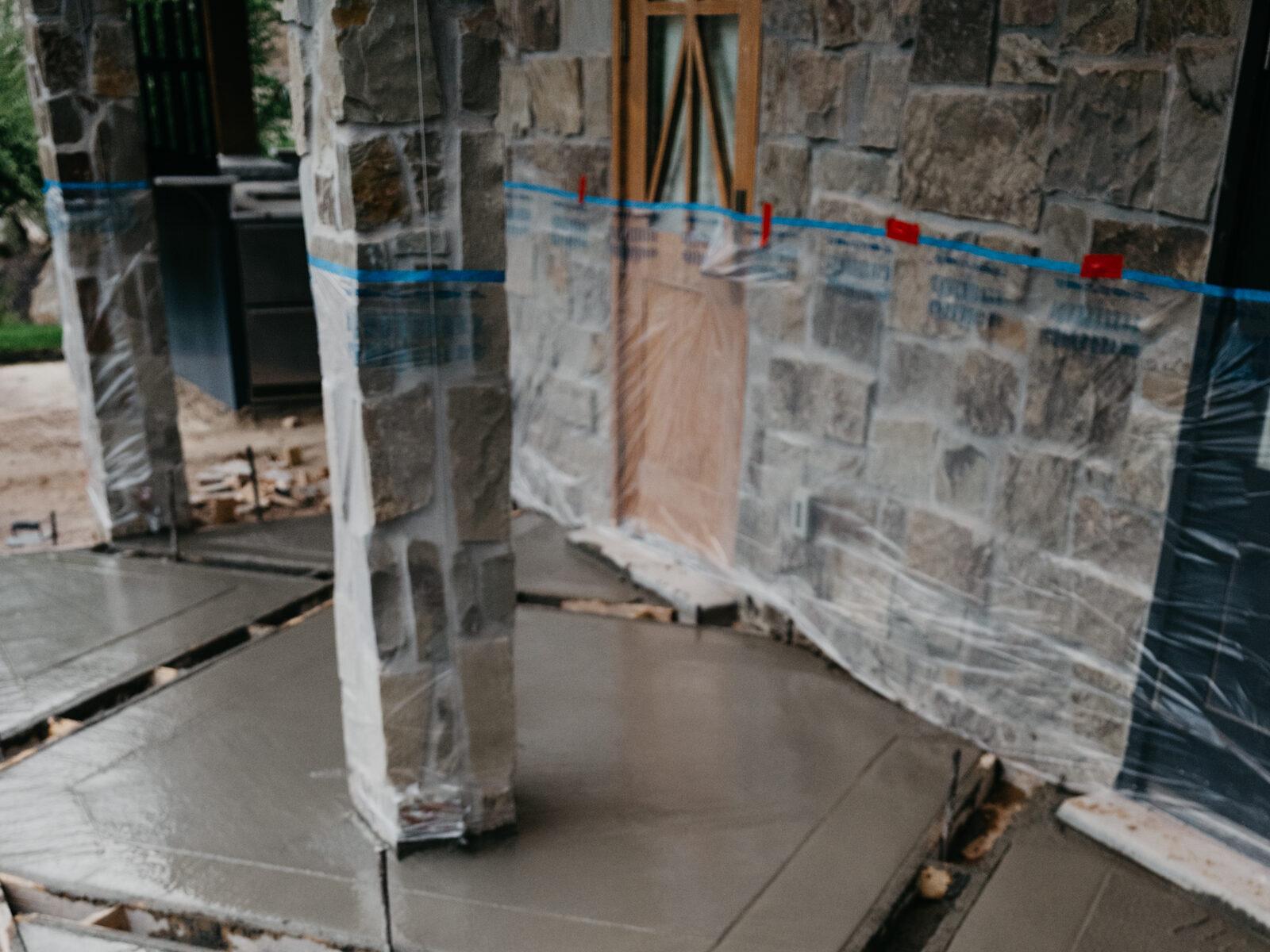
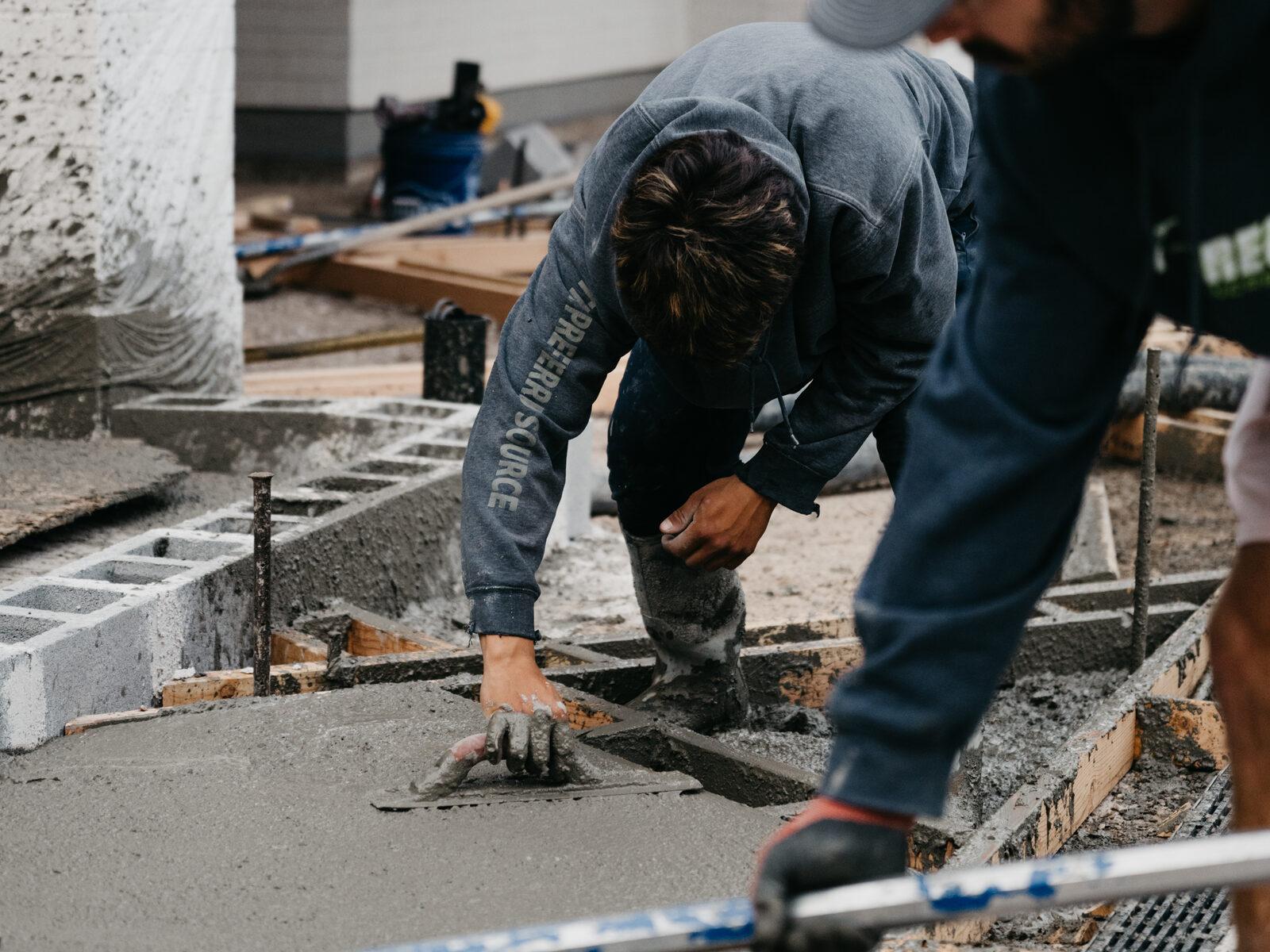
We front-load the structural work — cut, retain, drain, compact — so the season's remaining weeks go to the finish rather than to the excavator.
- 02
Hard materials are ordered against a delivery window that assumes canyon weather, not against an optimistic one.
- 03
Anything that has to survive a plow, a snow load, or a spring thaw gets specified to those conditions rather than to the catalogue photograph.
Communities
Four communities across two counties, and less in common between them than the map suggests.
Park City
The highest and steepest of the four, with the shortest working season and the heaviest browse pressure.
Park City landscaping →Heber City
Valley floor, gentler grades, agricultural soils, and a longer season than the resort side of the divide.
Heber City landscaping →Midway
Calcareous hot-spring ground. Excavation here turns up material that exists nowhere else in our service area.
Midway landscaping →Kamas
Open, exposed, and cold. Wind and frost both do more here than the elevation alone would suggest.
Kamas landscaping →
What We Build Here
The same seven disciplines, sequenced to this ground.
Every project in Summit & Wasatch starts with grading and drainage, because that is where the outcome is decided. From there the work runs through retaining walls, patios and hardscape, planting, lighting, and water — one crew, one sequence, no handoff at the point where it matters.
Also Serving
- DavisBench lots with long views west across the lake and hard clay soils that dictate drainage strategy.
- Salt LakeEstablished east-bench neighborhoods where mature canopy and tight access shape the whole approach.
- WeberFoothill parcels below the Ogden peaks, with wind exposure that narrows the workable plant palette.
Common Questions
Landscaping in Summit & Wasatch Counties.
- When can you actually build at this elevation?
- The season is compressed at both ends, so we front-load the structural work — cut, retain, drain, compact — and leave the season's remaining weeks for the finish. Planting is written to the site's frost-free window, which differs by weeks between Park City near 7,000 feet, the Heber valley floor, and Kamas.
- Why does frost depth change what a retaining wall costs?
- Footings, wall bases, and irrigation mainlines all go deeper here than on the valley floor. Frost depth is the first number we confirm with the local building department, and it changes the cost of a wall before a single block is set.
- Where does the snow go on a finished project?
- Snow is a material at these elevations. Where it gets pushed, stacked, and melted decides where the terrace goes, which plants survive the plow line, and whether the drive drains or glazes over — so we plan snow storage into the layout rather than around it.
- Will deer and elk eat what you plant?
- Mule deer and elk work these neighborhoods hard through winter. The plant palette is chosen with that browse pressure in mind, or it is chosen twice.
- How is drainage different from a valley lot?
- Runoff here is snowmelt-driven and sustained — it runs for weeks in spring rather than arriving as a single storm — and the discharge point has to still work when the ground below it is frozen. We size drainage to that load, not to a summer rain event.
Tell us about the site.
Where the lot sits, what the grade does, and what you want out of it. We will tell you what the ground is going to ask for before anyone talks about a design.
Start a Project