Discipline 01 — Northern Utah
Grading & Drainage
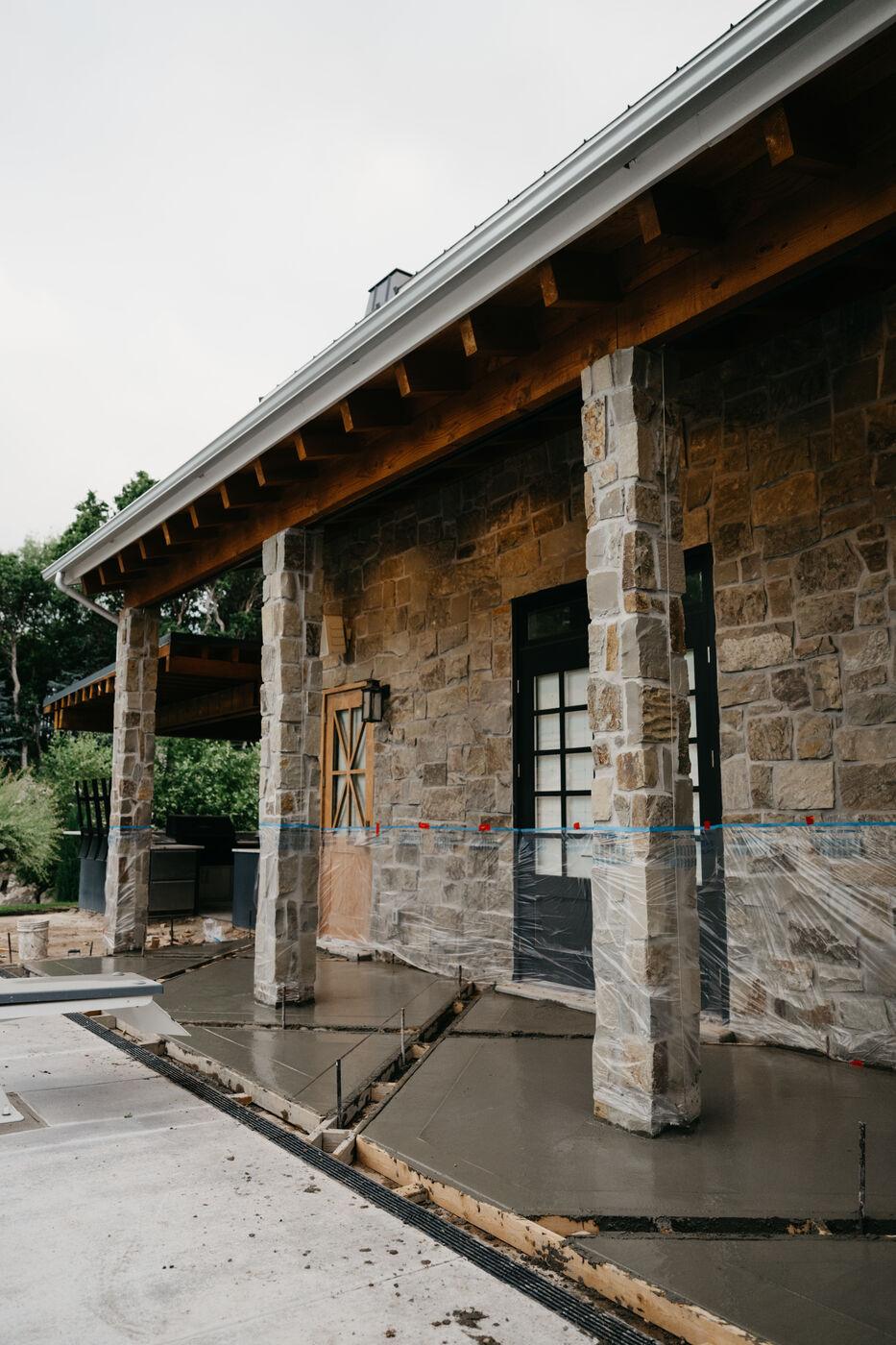
Before a stone is set or a plant goes in the ground, the site is cut, filled, and shaped so that water leaves on a path we chose. Every other trade on the job inherits that decision.
The Craft
What the work actually is.
Grading is the only part of a landscape that cannot be corrected later without dismantling everything built on top of it. It is decided in the first week of a job and invisible by the last, which is precisely why it is the first thing cut when a bid needs to come down.
A house wants water moving away from it — six inches of fall across the first ten feet from the foundation is the working benchmark. That is straightforward on a flat lot with sandy soil. It is not straightforward on a Davis County bench lot with heavy clay that holds water rather than taking it, or on a Summit County slope where four feet of settled snowpack becomes surface water over a single warm week in March.
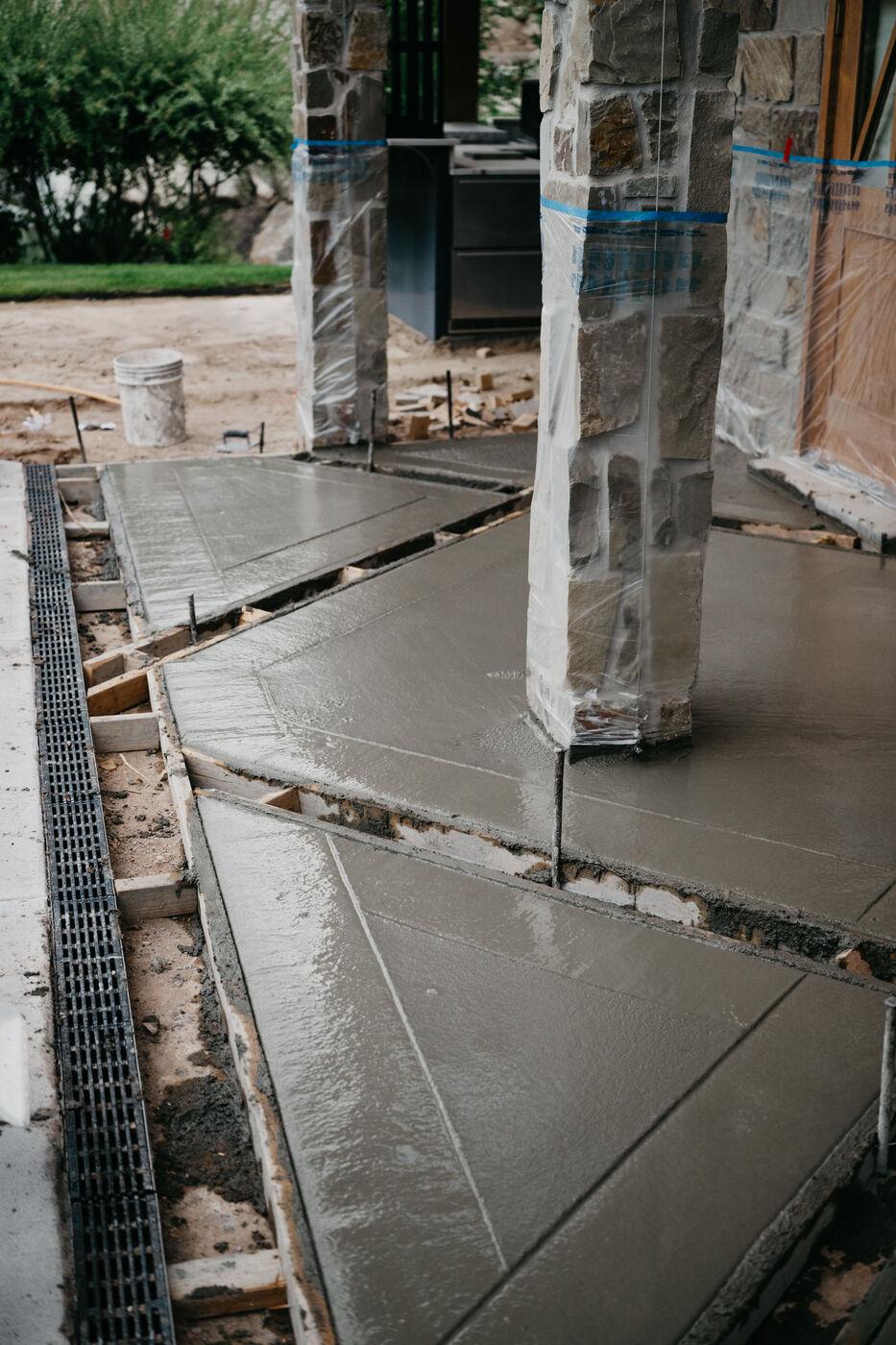
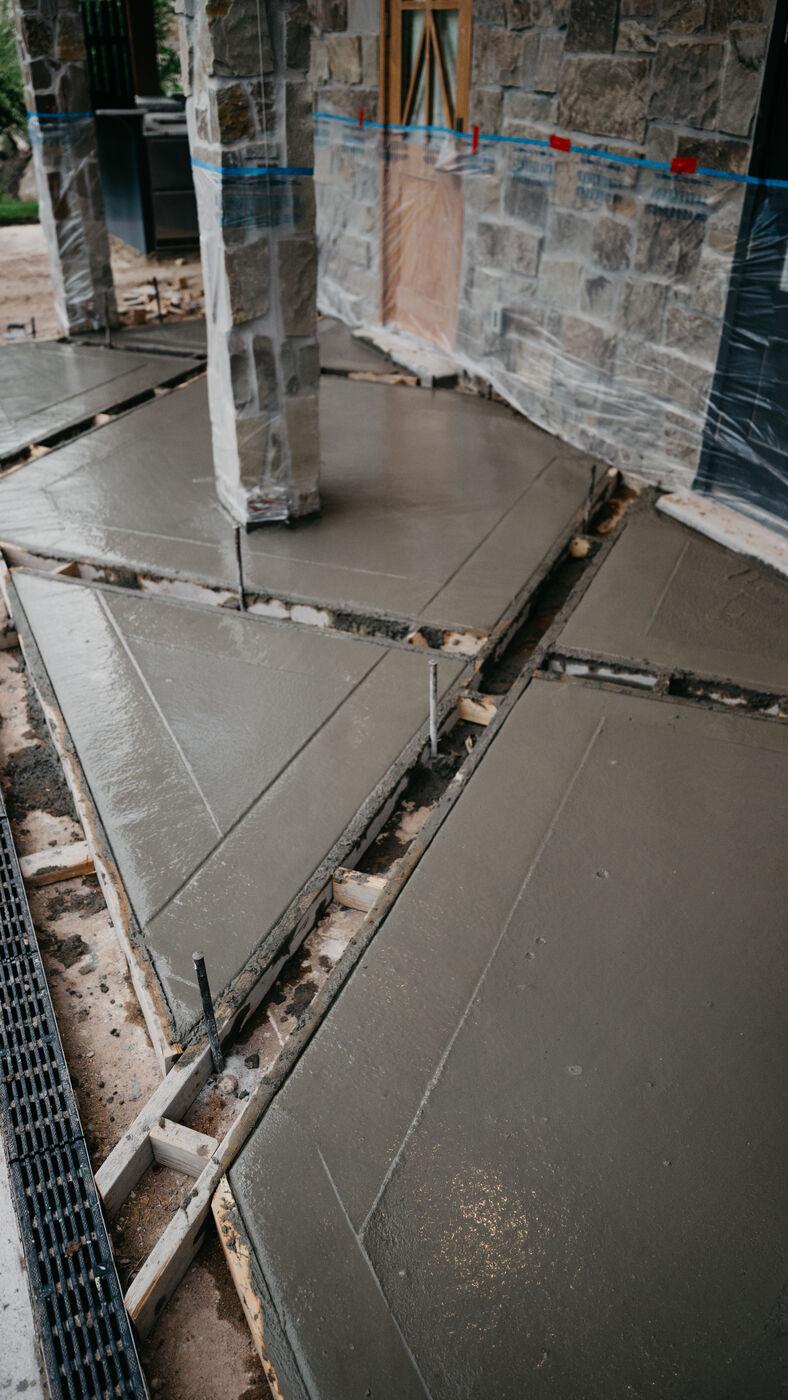
So the surface plan and the subsurface plan are drawn together. Where the land can carry water away by shape alone, we shape it. Where it cannot — a shaded side yard, a walkout basement, the uphill face of a wall — we put pipe in the ground and give the water somewhere to go before it decides for itself.
What Goes Wrong
The failures we are hired to undo.
None of these are unlucky. Each one is a decision made earlier by someone working faster than the ground allowed.
- 01
Fall that runs the wrong way
The most expensive mistake on this list, because correcting it means lifting whatever was built on top. It usually happens when finished grade is established after the hardscape rather than before it.
- 02
Downspouts discharging at the foundation
A roof concentrates thousands of gallons into four or five points. Left to splash at the wall, that water saturates backfill, moves through the footing drain if there is one, and freezes into the wall if there is not.
- 03
Drain rock without filter fabric
Fines migrate into the voids between the stone and the system silts closed. It works perfectly for two seasons and then stops, invisibly, with no symptom until the ponding comes back.
- 04
Pipe with nowhere to go
A drain line that terminates in a gravel pit in clay soil is a bathtub, not a drain. It has to daylight, or it has to reach something that does.

Materials & Method
How we build it instead.
- Grade set before excavation
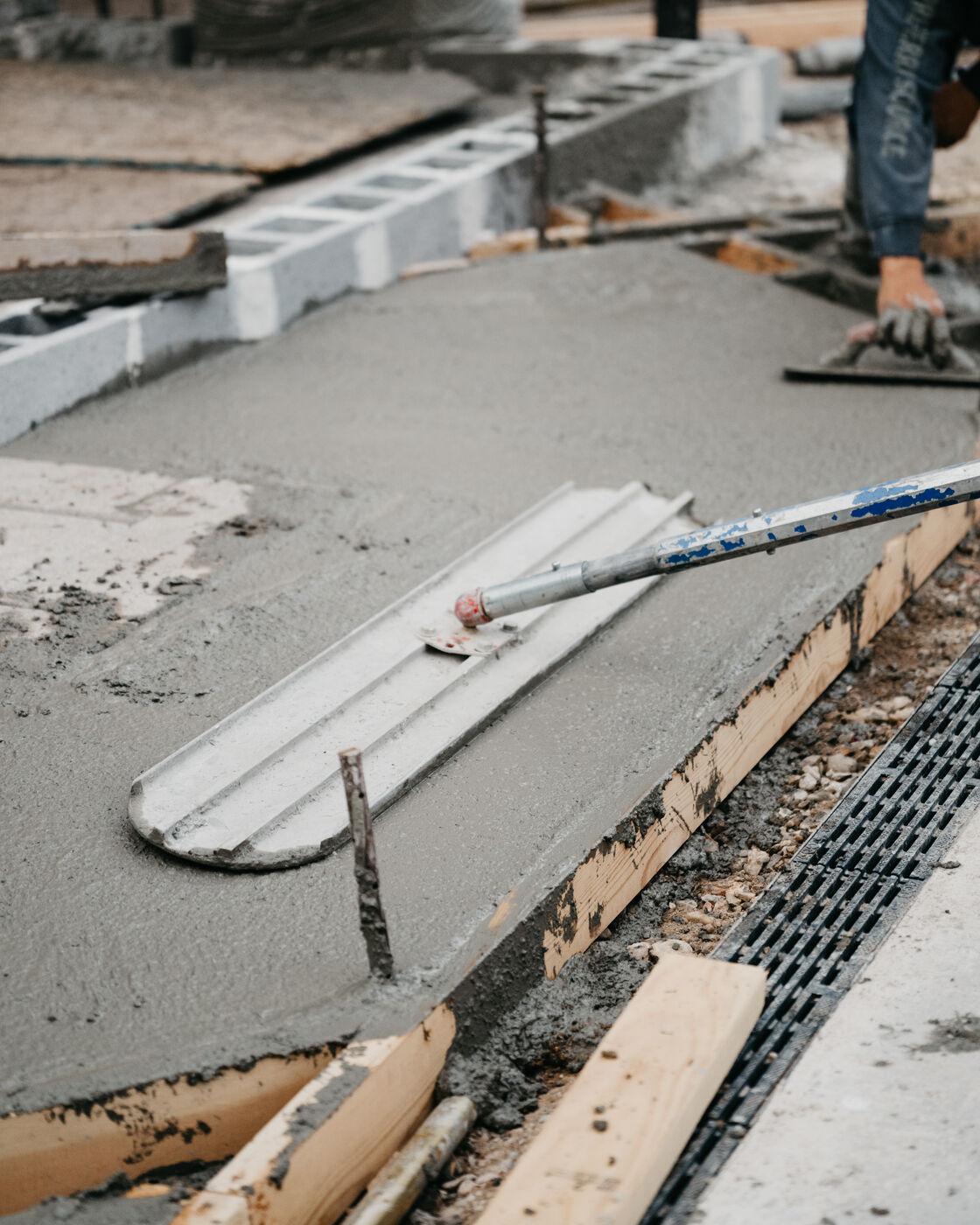
- Rotary laser and grade stakes establish finished elevations across the site first. Cut and fill are balanced on site where the soil allows it, which keeps material off trucks and cost out of the job.
- Compacted subgrade
- Subgrade is compacted in lifts before any base material goes down. Uncompacted fill settles for years, and it takes the patio with it.
- Four-inch perforated collector
- Rigid perforated pipe — not corrugated flex — bedded in washed three-quarter-inch angular drain rock and wrapped in non-woven filter fabric, sloped to a daylighted outlet or a sump.
- Swales that read as landform
- A drainage swale should look like grade, not like a ditch. Shaped wide and shallow, planted through, it moves the same volume without announcing itself.
Common Questions
Grading & Drainage, in practice.
- How much fall does the ground need away from the house?
- The working benchmark is six inches of drop across the first ten feet from the foundation — roughly a five percent slope — so surface water leaves the building instead of collecting against it. Where a tight lot cannot hold that grade all the way out, the surface is shaped to a swale or a collector that carries the water the rest of the distance.
- Why does water still pond after a yard was already graded?
- Usually because grade was set by eye after the hardscape went in rather than with instruments before excavation. On heavy clay a surface can look right and still shed almost nothing, because the soil will not absorb what falls on it. The fix is a designed surface fall combined with a subsurface system, both established before anything is built on top.
- What is the difference between surface drainage and a French drain?
- Surface drainage moves water you can see — grading, swales, and channel drains that carry runoff across the top of the ground. A subsurface drain, often called a French drain, is perforated pipe in washed rock wrapped in filter fabric that collects water within the soil itself. Wet sites usually need both, drawn together rather than one bolted on later.
- Where does the collected water actually go?
- To a point lower than where it was collected — daylighted at the surface, or tied into a storm system where one exists. A drain line that terminates in a gravel pit in clay is a buried bathtub, not a drain; it has to reach somewhere that can take the water, or it simply fills and backs up.
- Do downspouts and sump discharge tie into the drainage?
- They should. A roof concentrates thousands of gallons into a few points, and left to splash at the foundation that water saturates the backfill and re-enters the soil it was meant to leave. Downspout and sump discharge are carried into the drainage system and daylighted well away from the house.
Tell us about the ground.
A few questions about the site, the scope, and the budget you have in mind — then a conversation with the person who would actually run the job.
The Other Five
- Retaining WallsEngineered walls with drainage behind them, built to hold a hillside for decades.
- Patios & HardscapeStone set on a compacted base, jointed to survive freeze and thaw.
- Pools & SurroundsThe deck, coping, and drainage around water — the part of a pool you actually stand on.
- Planting & GardensPlant palettes chosen for this climate — alpine wind, alkaline soil, short shoulder seasons.
- Landscape LightingLow-voltage lighting laid out for the evenings you actually use the yard.
- Water FeaturesBasins, spillways, and quiet water — plumbed and sealed to run without babysitting.