Landscaping in Farmington, Utah
Built on what Farmington Creek carried down.
Farmington sits where a steep canyon empties onto the valley, and the ground reads that history: coarse fan deposit on the east bench above Station Park, finer lakebed silt out toward Farmington Bay. The two ends of the same city present opposite drainage problems.
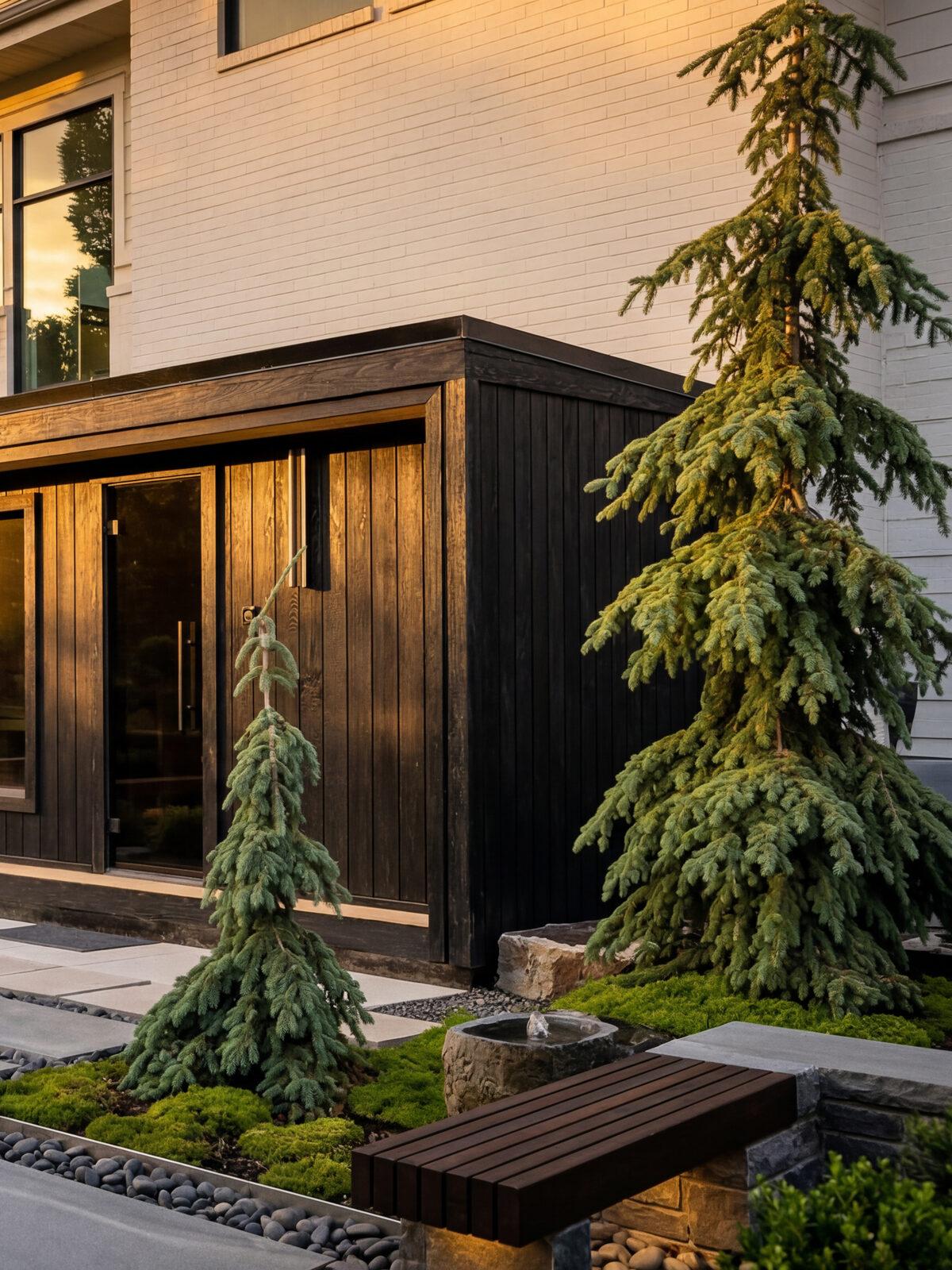
The Ground in Farmington
What this site is going to ask for.
Elevation
4,300 ft
- Climate
- A valley-floor Wasatch Front climate — roughly a hundred and sixty frost-free days, hot dry Julys, and a growing season long enough for almost anything the soil will allow. The canyon behind town moves air: a downcanyon draft off Farmington Canyon comes through the east-bench neighborhoods most evenings, drying exposed beds faster than the west flats a mile away. Every rear lot here faces the afternoon sun and the glare off the lake with it.
- Soil
- The east bench is an alluvial fan — the delta Farmington Creek and Shepard Creek built into Lake Bonneville — which excavates as cobble and coarse gravel that swallows base rock unevenly and turns up boulders where the plan expected soil. Move west toward Legacy Parkway and the fan gives way to finer lacustrine silt and clay that holds water at the surface. A base detail that works in Oakridge is the wrong detail in Farmington Ranches.
- Terrain
- Three distinct lot types inside one boundary. The foothill neighborhoods — Oakridge, Somerset — are deep parcels sloped hard to the west, where the grade drop is the whole design opportunity and retaining is how usable ground gets made. The historic core near Main Street is flatter, gridded, and mature, with established trees and narrow side-yard access. The western Farmington Ranches tract is flat production ground where drainage has to be built rather than borrowed from the fall.
- Local
- Weber Basin Water Conservancy District wholesales the culinary water; landscape irrigation runs on the city's pressurized secondary system, delivered on a schedule the design has to accommodate. Farmington City reviews site plans, and work near the historic Main Street district and within the Farmington Creek flood corridor carries added scrutiny. Any retaining wall over four feet from the base of the footing, or shorter walls carrying a surcharge, needs engineered drawings and a permit.
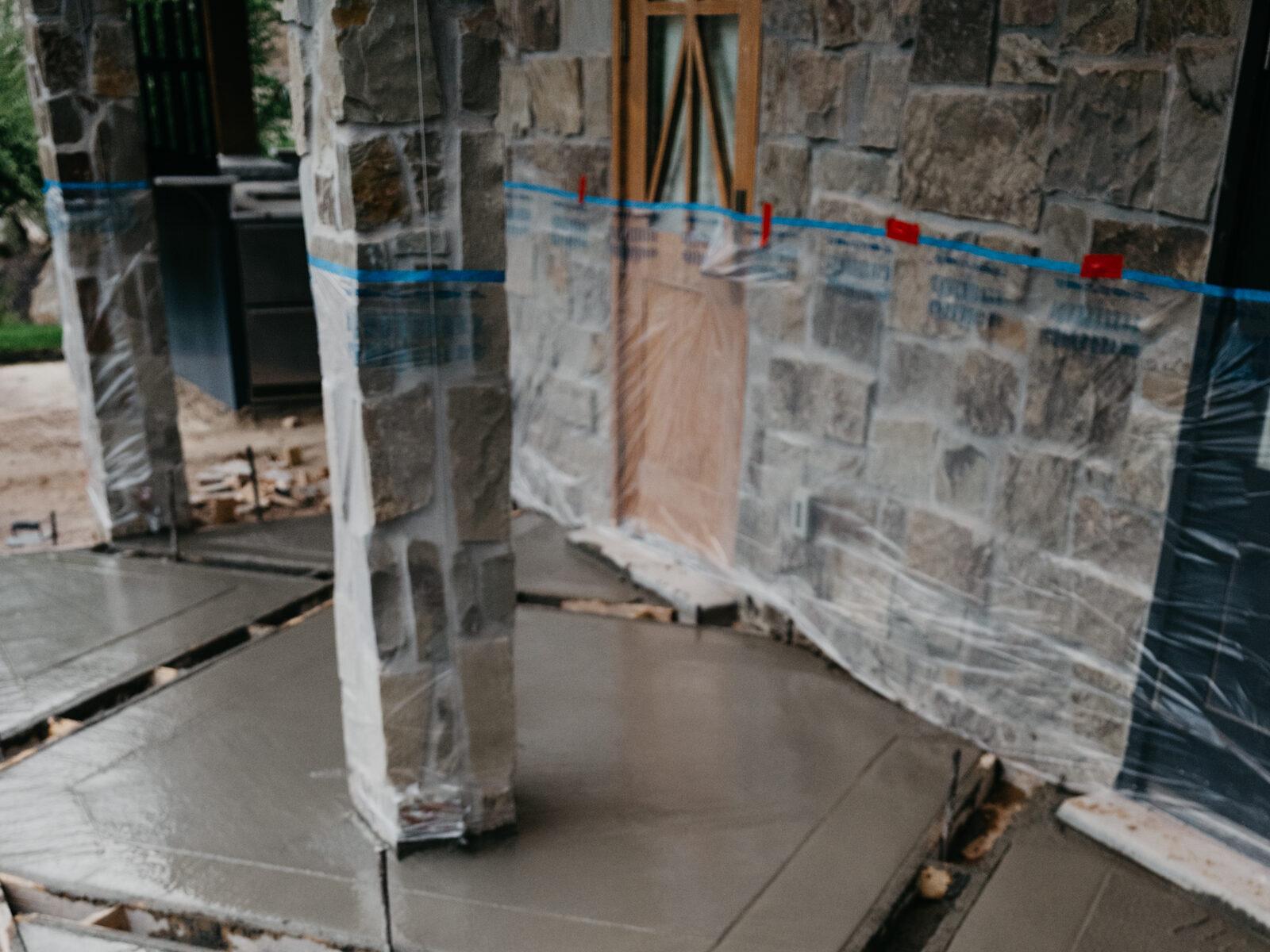
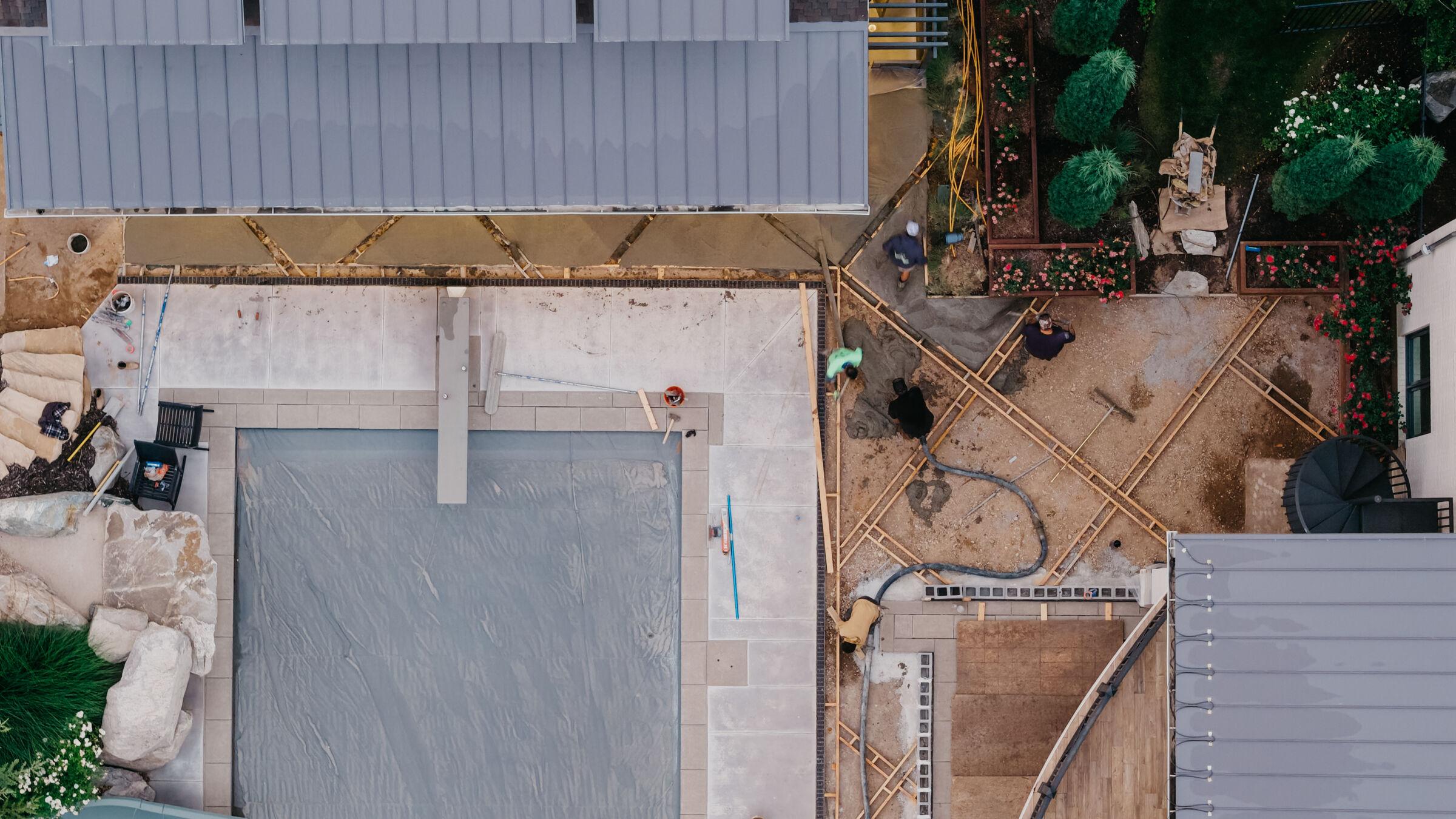
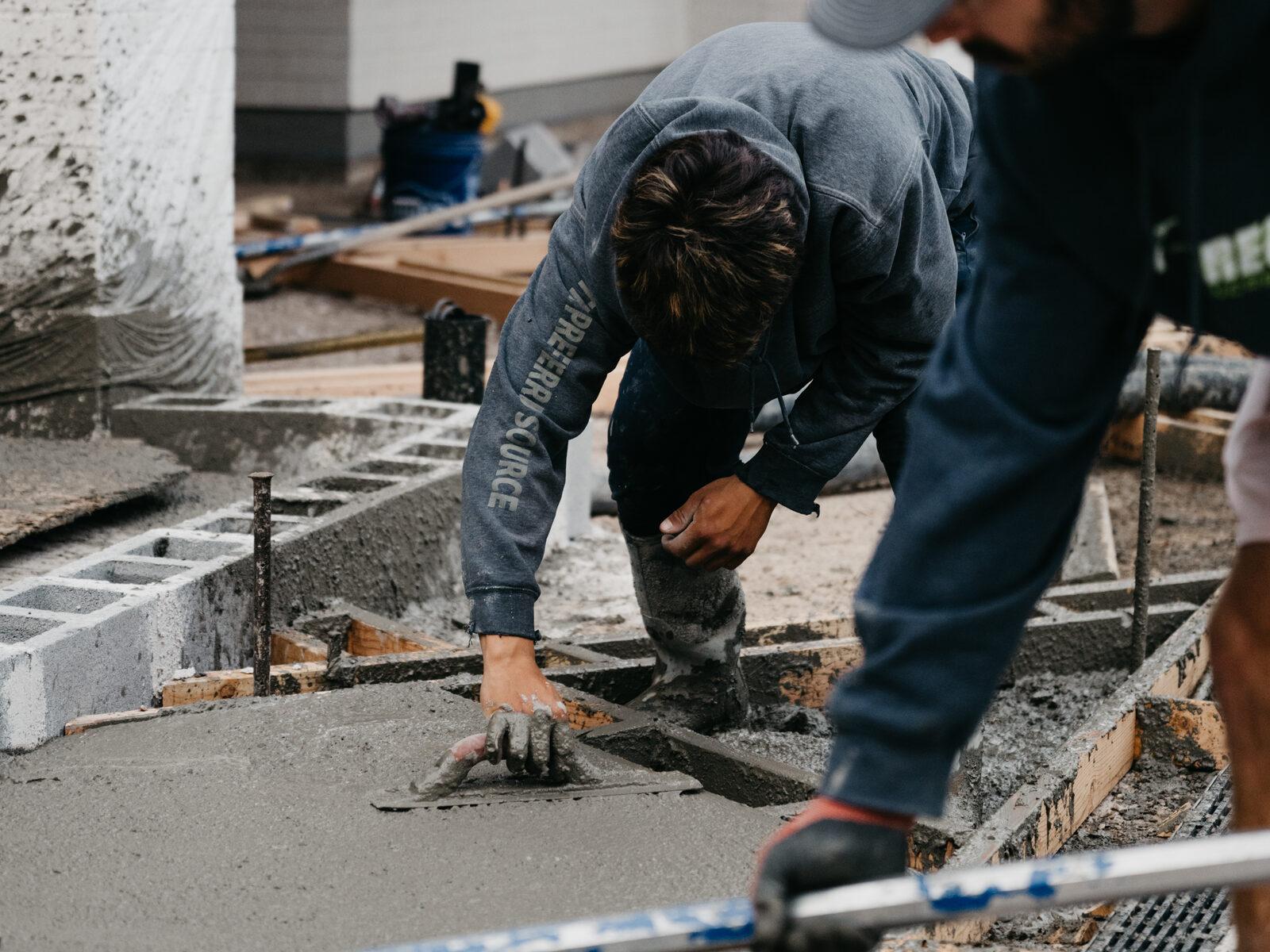
Where in Farmington
We build across the whole city.
From bare-ground new builds to established gardens being rebuilt, across these Farmington neighborhoods and the streets around them.
- Oakridge
- Somerset
- Farmington Ranches
- Station Park district
- Historic Main Street
Near Station Park, Lagoon, Farmington Bay Waterfowl Management Area, Oakridge Country Club, Farmington Canyon.
What We Build in Farmington
Seven disciplines, one crew, sequenced to this ground.
Every Farmington project starts with grading and drainage, then runs through retaining walls, hardscape, planting, lighting, and water. In Farmington that often means a waterwise approach from the first drawing.
Common Questions
Landscaping in Farmington.
- Why does a patio on the east bench need a different base than one out toward Farmington Ranches?
- The bench is old fan deposit — cobble and coarse gravel that drains but compacts unevenly, so the base gets specified to the material actually found in the cut. The western flats are finer lakebed silt that holds water, which needs separation fabric over the subgrade and a designed fall to a defined outlet. Same city, opposite base detail.
- We back onto the Farmington Creek corridor. Does that change the drainage plan?
- Yes. Canyon-mouth ground exists because water and debris have come down it before, so the site is built to move water through and past it rather than to stand in front of it. We confirm the corridor setback and grade every hard surface to carry runoff to a daylighted exit before anything is built on top.
- Do the west-facing rear lots need shade planning?
- Almost always. A west-oriented bench lot takes full afternoon sun and the reflected glare off the lake, which drives surface temperature underfoot and the choice of overhead structure. It is also the reason the lot was bought, so shade and evening light get resolved against the view rather than in spite of it.
- Do you work year-round in Farmington?
- Our crews run year-round. Installation concentrates in the April-to-October window when the ground is workable, while design, site reading, and scheduling carry on through the winter — which is the best time to get a spring start held.
- Do you handle permits and HOA approval?
- We prepare what the local building department and, where one exists, the HOA architectural committee need — grading and drainage details, wall sections, and material specifications. Requirements differ by jurisdiction, so we confirm them for your address before design is finalised.
Also in Davis County
Other areas we serve
Tell us about the site in Farmington.
Where the lot sits, what the grade does, and what you want out of it. We'll tell you what the ground is going to ask for before anyone talks about a design.
Start a Project