Landscaping in Ogden, Utah
Ogden Canyon delivers the wind to the front door.
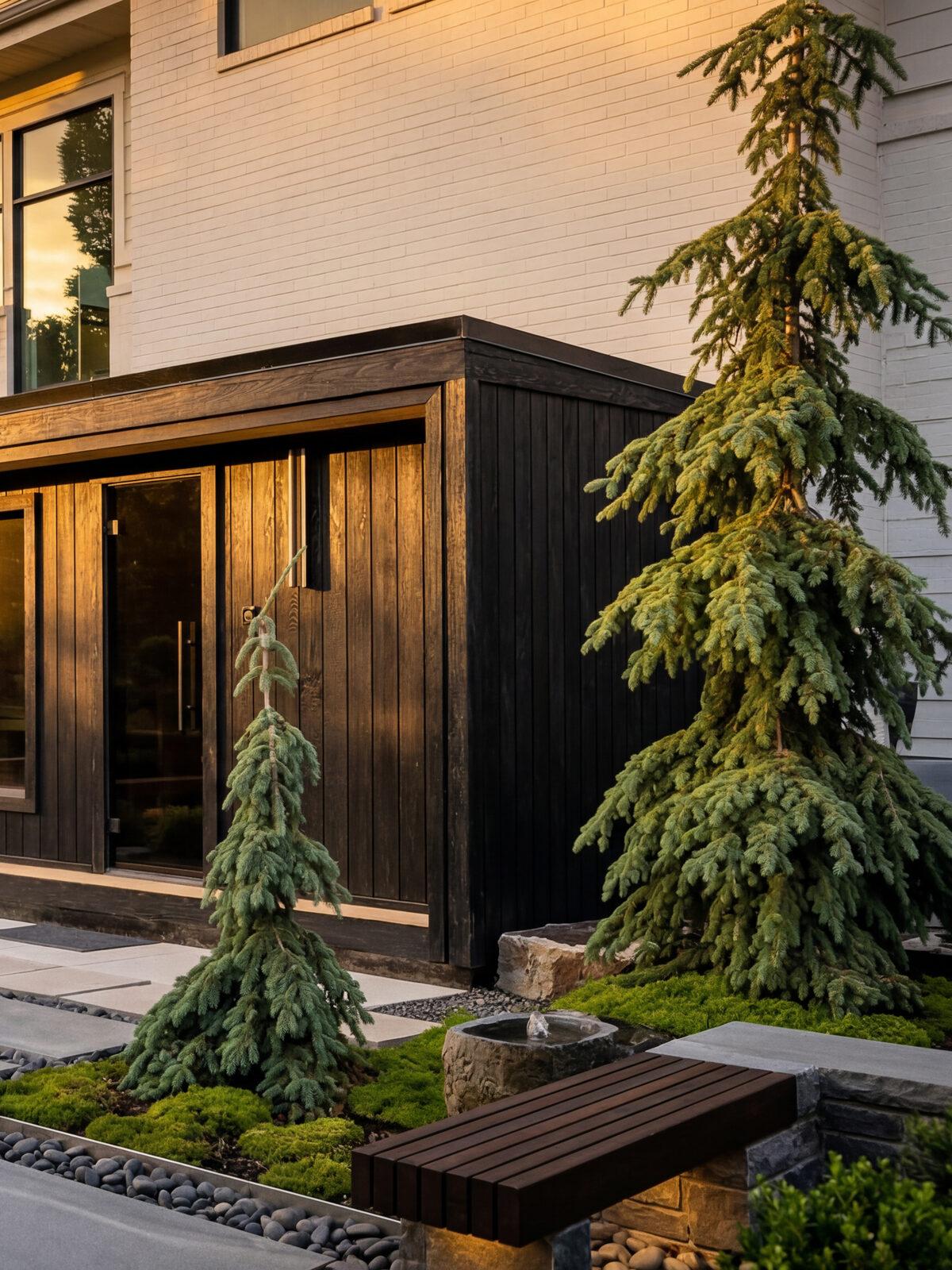
Ogden is built on the largest delta Lake Bonneville left behind, and its oldest neighborhoods climb the east bench straight into the mouth of Ogden Canyon. The ground is coarse and free-draining; the wind that comes down the canyon is the constraint that writes the rest of the plan.
The Ground in Ogden
What this site is going to ask for.
Elevation
4,300 ft
- Climate
- Ogden runs a semi-arid climate moderated by elevation and sharpened by the mouth of Ogden Canyon. The downslope east winds that funnel out of the canyon through autumn and winter arrive dry and hard enough to strip an evergreen and desiccate a bed in a single day, and they are intensely local — the bench takes them where the flats below do not. The frost-free window runs roughly mid-May to early October, over the freeze-thaw cycling that governs every base course and joint we set.
- Soil
- The bench is deltaic ground — sands, gravels, and cobble laid down where the Weber and Ogden rivers met Lake Bonneville, reworked by wave action into the terraces the east side is built on. It excavates unevenly and swallows base rock, but it drains, which is the opposite of the clay problem west of here. Toward the canyon mouth the material coarsens into alluvial-fan cobble, and the Wasatch fault runs along the base of the range the whole length of the bench.
- Terrain
- East-bench lots are older and steeper than their Davis County equivalents, falling fast from the back of the house toward the street or the rear boundary. That fall is usually the whole design opportunity — terracing turns a slope into usable ground — and access down the side of a 1920s house is tight enough that the equipment plan is settled before anything is drawn.
- Local
- Much of the east side predates the HOA, but the trade-off is historic-district oversight: work within the Jefferson Avenue, Eccles Avenue, and Ogden Central Bench districts answers to design review, and street-facing changes are read against the district's character. Outdoor irrigation on most lots runs on Weber Basin Water Conservancy District secondary water — untreated, delivered under pressure, and metered under the state's 2030 requirement — so the system is designed around a seasonal supply rather than the culinary tap. A retaining wall over four feet, or any wall carrying a surcharge, requires engineered drawings and an Ogden City permit.
Where in Ogden
We build across the whole city.
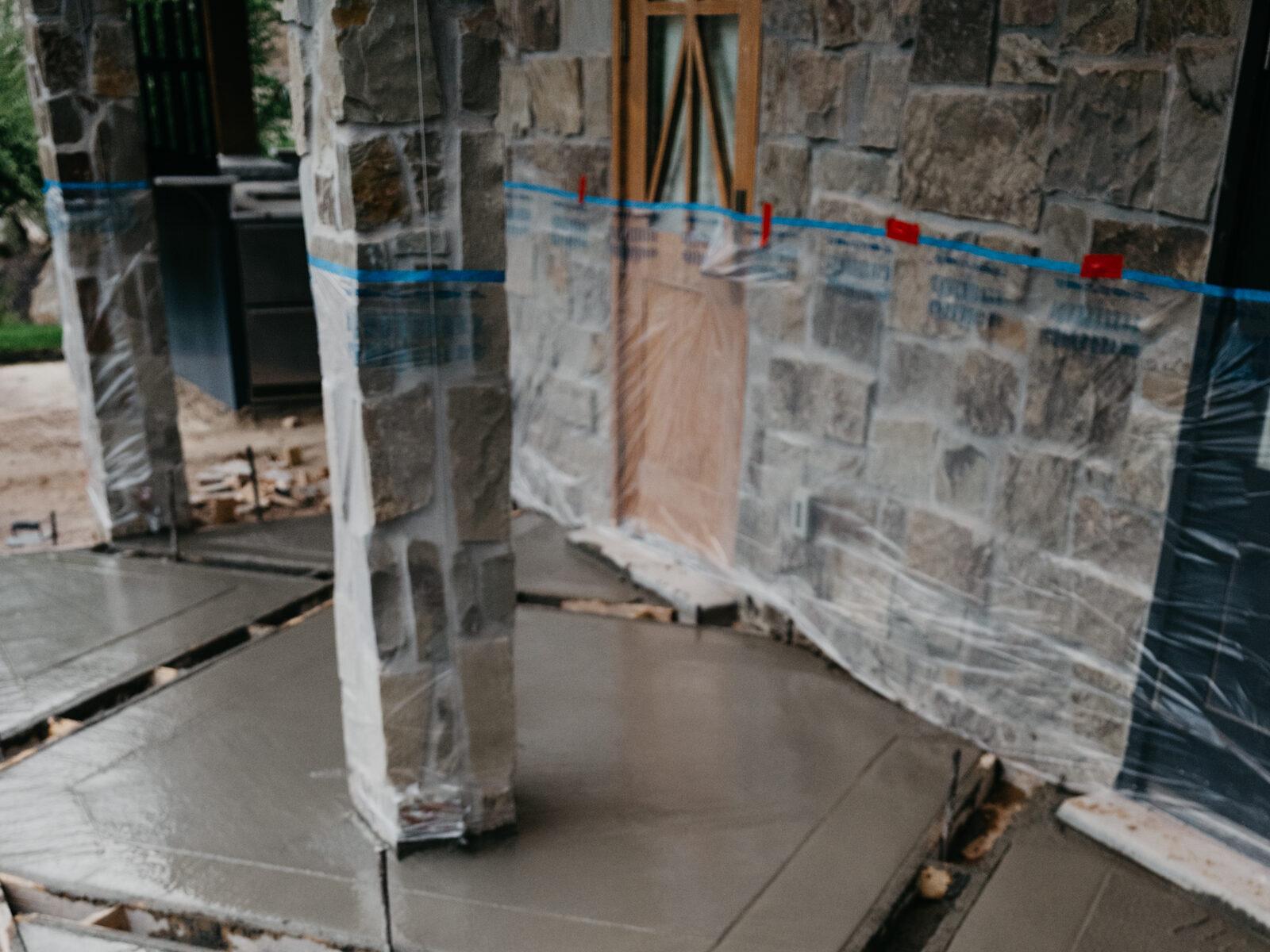
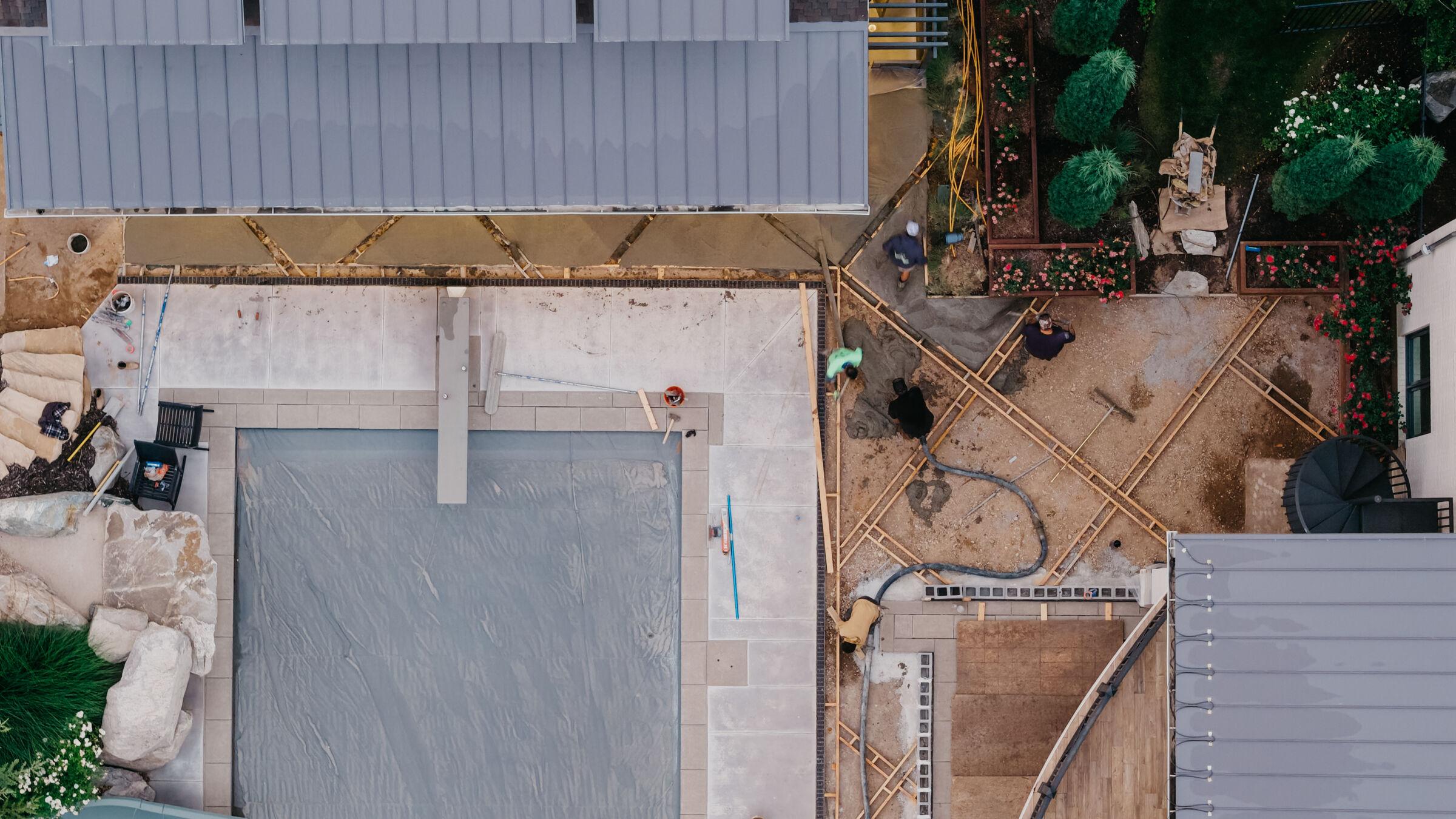
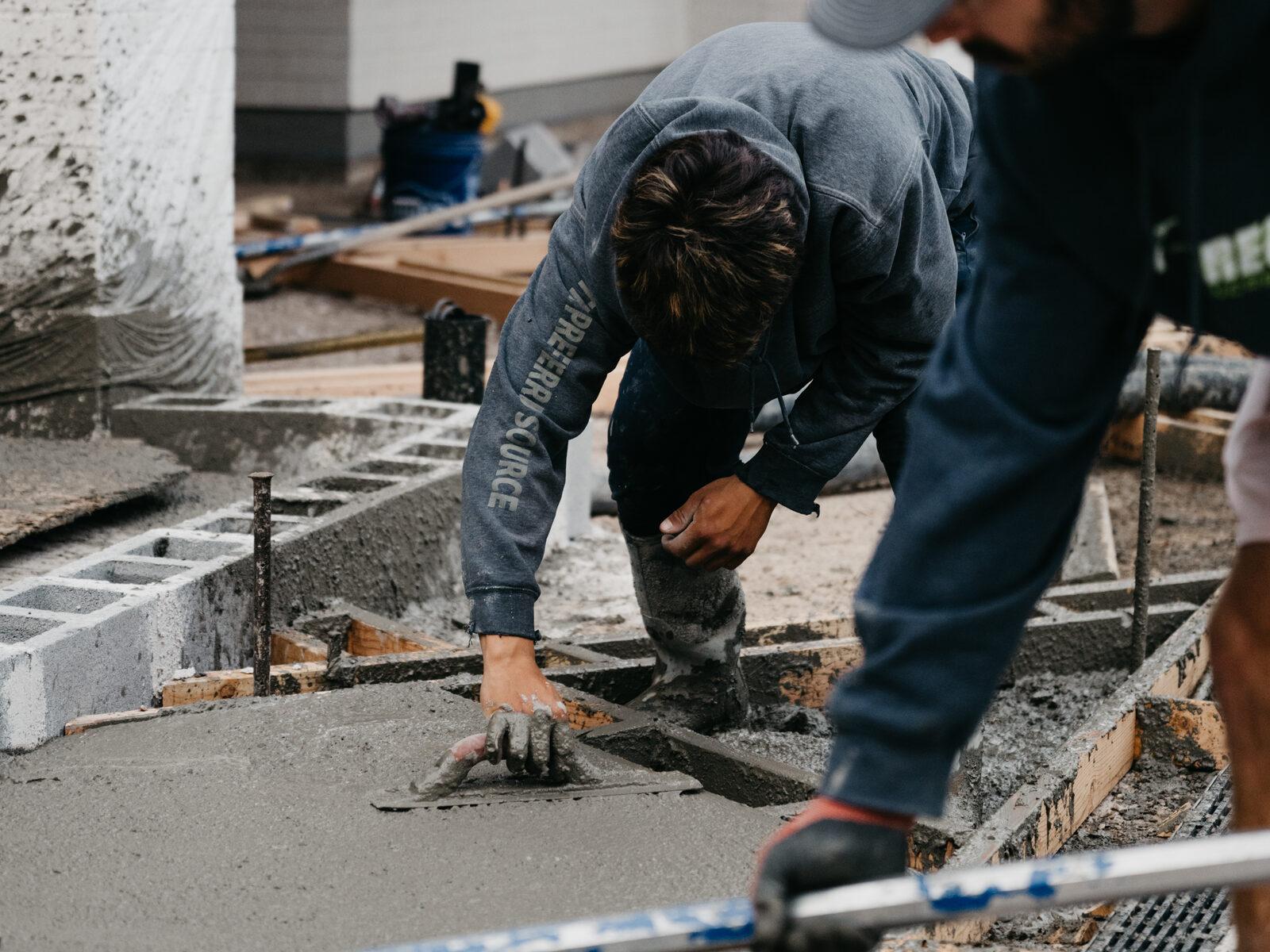
From bare-ground new builds to established gardens being rebuilt, across these Ogden neighborhoods and the streets around them.
- East Bench
- Jefferson Avenue Historic District
- Eccles Avenue Historic District
- Ogden Central Bench Historic District
- Historic 25th Street
Near Mount Ogden, Malans Peak, Waterfall Canyon, Ogden Canyon, Weber River.
What We Build in Ogden
Seven disciplines, one crew, sequenced to this ground.
Every Ogden project starts with grading and drainage, then runs through retaining walls, hardscape, planting, lighting, and water. In Ogden that often means a waterwise approach from the first drawing.
Common Questions
Landscaping in Ogden.
- Do landscape changes in Ogden's historic districts need review?
- Within the Jefferson Avenue, Eccles Avenue, and Ogden Central Bench districts, yes — street-facing walls, hardscape, and front-garden work are read against the district's established character. We resolve the visible, from-the-sidewalk elements against that oversight before detailing them, rather than designing first and asking later.
- How does Ogden Canyon wind affect what you plant?
- The downslope east winds out of the canyon mouth are dry and strong enough to break young trees and strip evergreens. We plant smaller stock that roots in and establishes rather than large caliper that needs guying for years, place a windbreak as a structural decision, and detail anything loose — screens, gates, panels — for uplift.
- Does the east-bench soil drain, or do you still need drainage?
- The deltaic sands and cobble on the bench drain well — the inverse of the clay west of the city — but the grade is steep and short, so the work is controlling where fast surface water goes, not persuading it to leave. Terraces and swales carry it away from the house instead of letting it sheet down onto the street.
- Can you take on one part of the yard rather than all of it?
- Yes, though we will still read the whole site first. Water and grade do not respect a project boundary, so we make sure a single phase does not create a problem for the ground next to it.
- What does the first conversation involve?
- Where the lot sits, what the grade does, how you want to use the space, and the range you have in mind. We will tell you what the ground is likely to ask for before anyone talks about a design.
Also in Weber County
Other areas we serve
Tell us about the site in Ogden.
Where the lot sits, what the grade does, and what you want out of it. We'll tell you what the ground is going to ask for before anyone talks about a design.
Start a Project