Landscaping in Millcreek, Utah
At the mouth of the canyon, on tighter ground.
Millcreek climbs the northwest flank of Mount Olympus toward the mouths of Millcreek and Neffs canyons, and its lots run tighter and steeper than Holladay's a few miles north. Olympus Cove and Canyon Rim are the defining ground — established bench neighborhoods where the canyon is close enough to set the wind, the water, and the shape of every site.
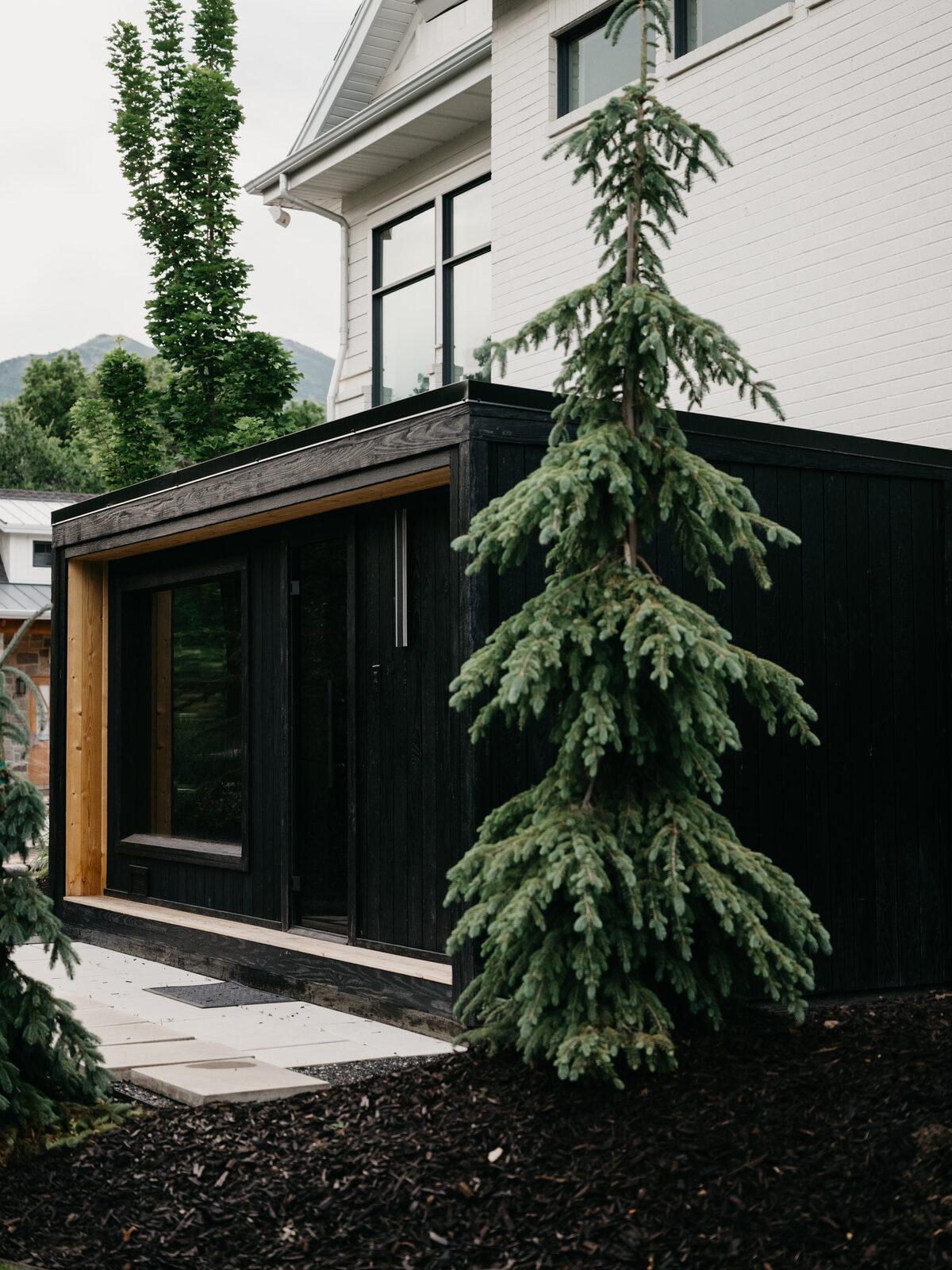
The Ground in Millcreek
What this site is going to ask for.
Elevation
4,567 ft
- Climate
- The city runs from around 4,600 feet on the Canyon Rim flats up past 5,100 feet in Olympus Cove, and that climb changes the growing conditions across a single ZIP code. Cold air pours out of the Millcreek and Neffs canyon mouths on clear nights and settles against the cove, while Mount Olympus throws an afternoon shadow that shortens the sun on east-facing slopes. The higher, more exposed lots run a zone colder and windier than the sheltered streets below them.
- Soil
- Millcreek sits on the debris the canyons built. At the canyon mouth and up into Olympus Cove the ground is a steep alluvial and colluvial fan — cobble, angular rock, and boulders shed off the Mount Olympus quartzite, with bedrock close enough to the surface that an excavation can reach immovable stone a foot down. Canyon Rim and the lower streets grade to finer bench material, but base depth and footing detail are set to what the site actually yields, because two lots on the same slope can excavate completely differently.
- Terrain
- The lots are smaller and steeper than Holladay's, and the ones that matter most sit high on the cove where the grade is the whole problem. Usable outdoor space has to be cut and retained before it can be planted, side yards narrow as the streets climb, and the access route for equipment is often the deciding factor in what can be built. These are established landscapes being reworked on a slope, not open pads waiting for a plan.
- Local
- Millcreek incorporated as a city only in 2016, consolidating Olympus Cove, East Millcreek, and Canyon Rim, and the newer municipality reviews grading and steep-slope work on the hillside lots on its own terms. Water comes mainly from Salt Lake City Public Utilities, with the Jordan Valley Water Conservancy District serving parts of the city. Unlike the Cottonwood canyons, Millcreek Canyon is not a protected culinary watershed — a distinction that matters less for irrigation than for how the canyon's runoff and its mouth are managed where they meet the built lots below.
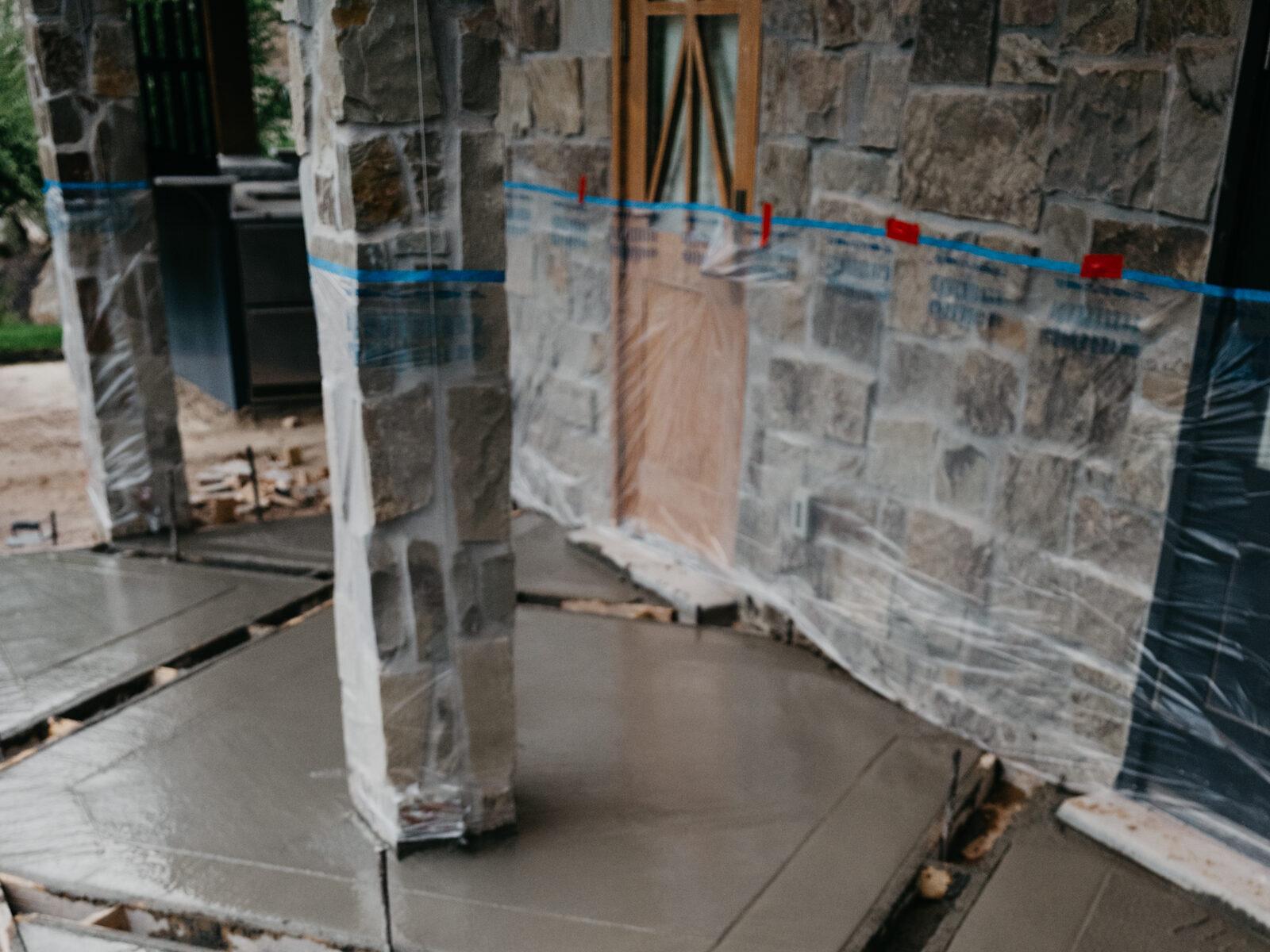
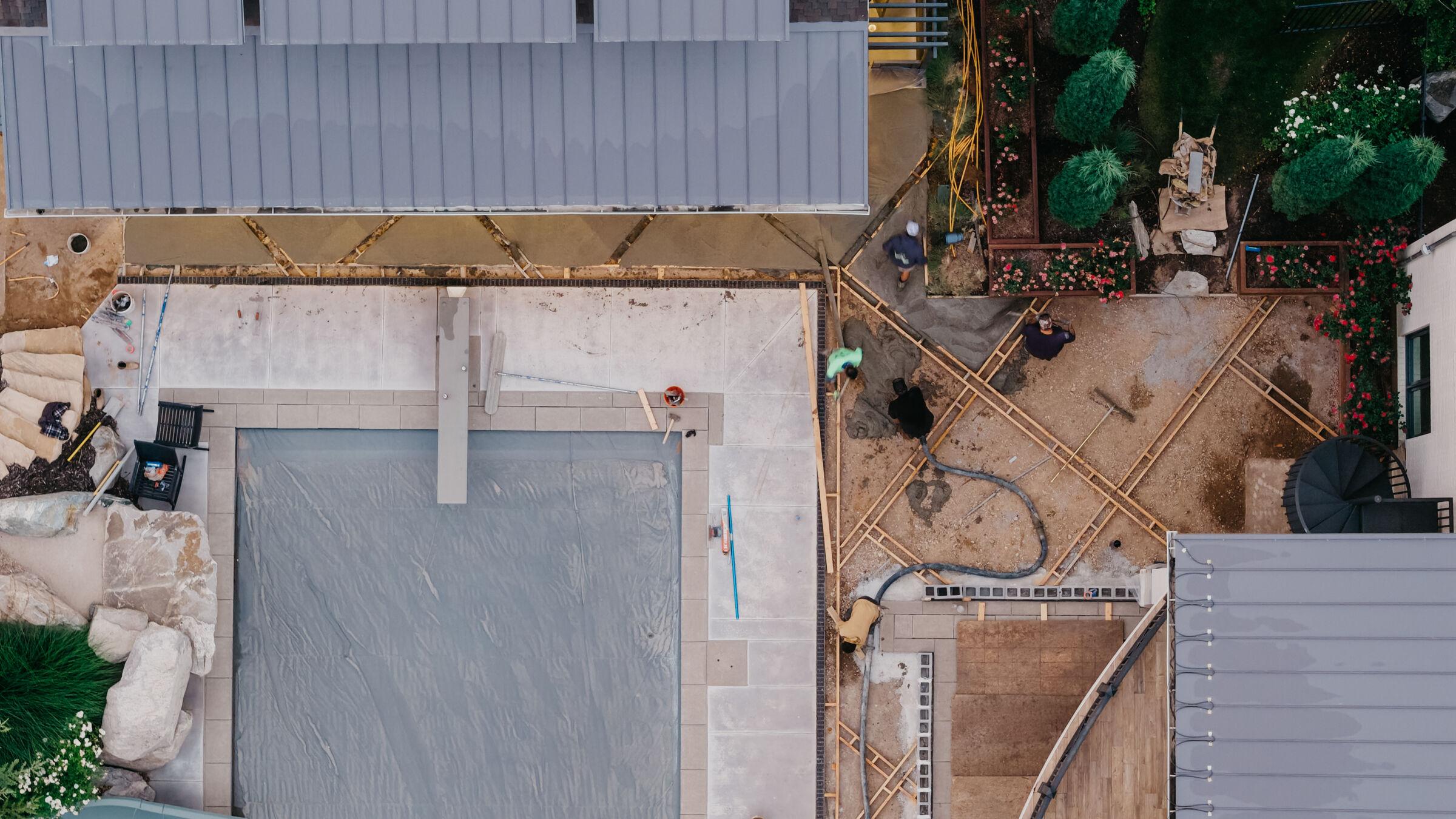
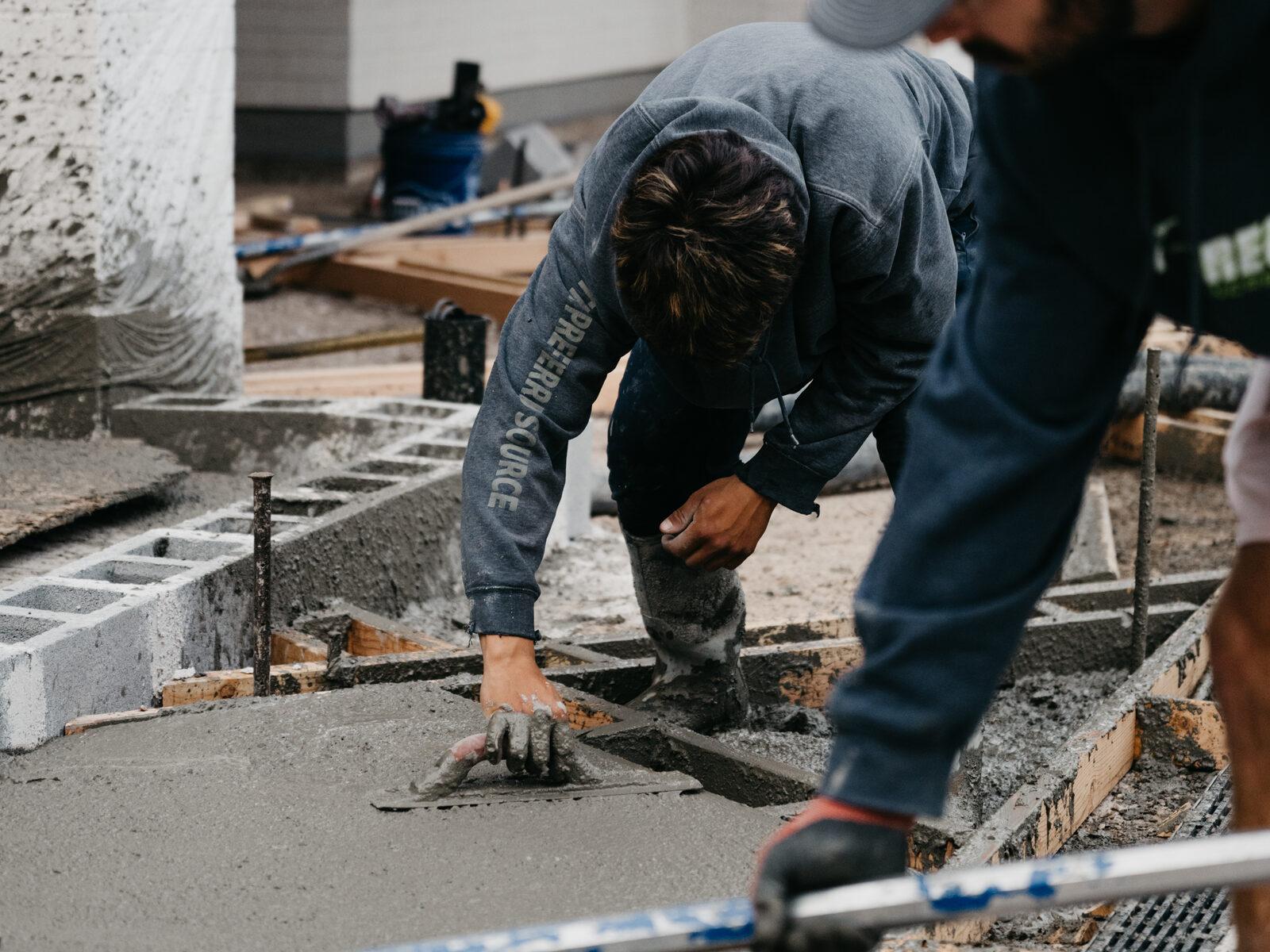
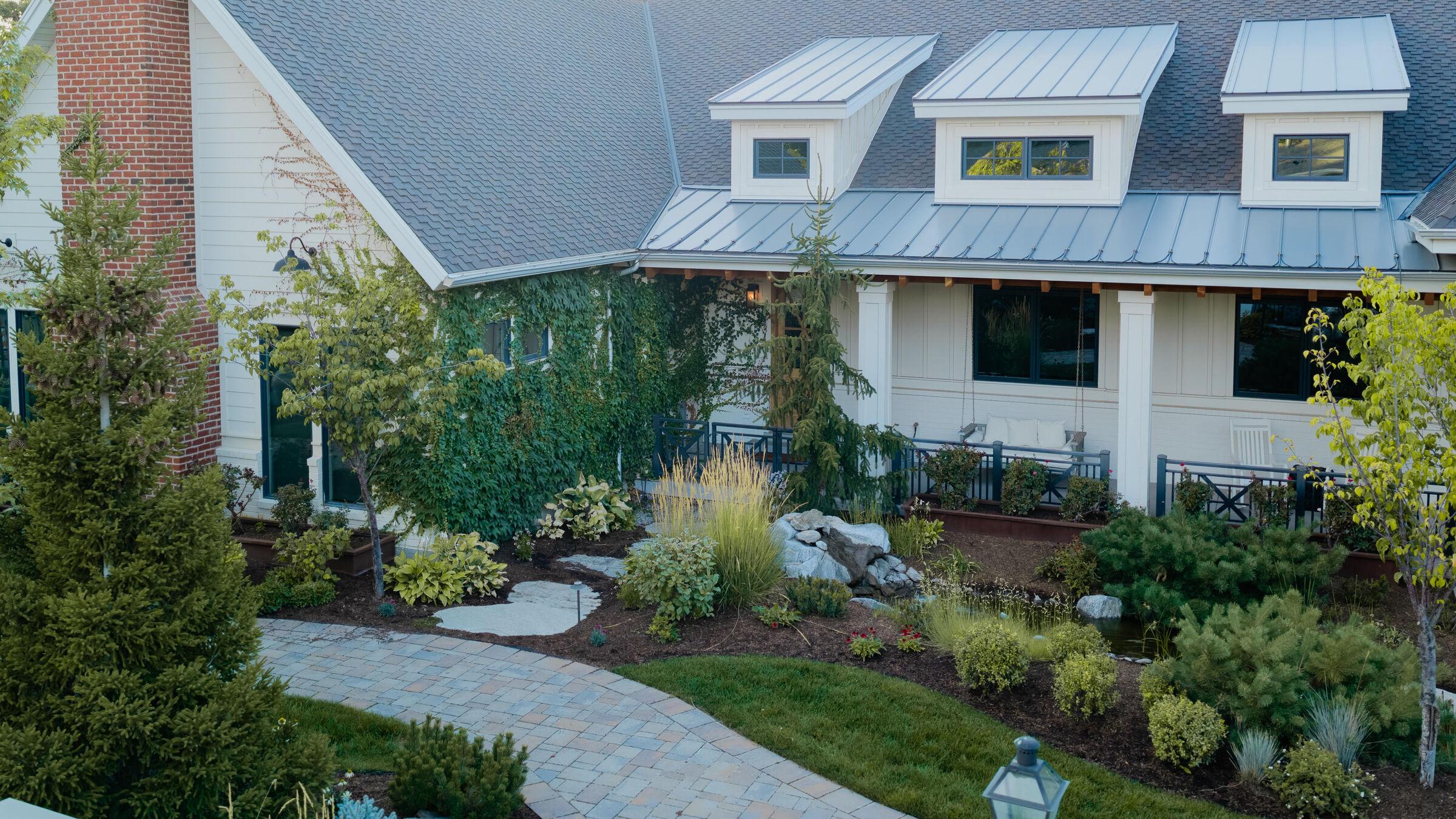
Where in Millcreek
We build across the whole city.
From bare-ground new builds to established gardens being rebuilt, across these Millcreek neighborhoods and the streets around them.
- Olympus Cove
- Canyon Rim
- East Millcreek
- Mount Olympus
Near Mount Olympus, Millcreek Canyon, Neffs Canyon, Mount Olympus Wilderness.
What We Build in Millcreek
Seven disciplines, one crew, sequenced to this ground.
Every Millcreek project starts with grading and drainage, then runs through retaining walls, hardscape, planting, lighting, and water. In Millcreek that often means a waterwise approach from the first drawing.
Common Questions
Landscaping in Millcreek.
- Can your equipment reach a steep lot in Olympus Cove?
- It is the first thing we check, because the answer sets the whole build. On the cove's narrow, climbing lots the side-yard width, the gate, and the slope decide whether a mini-excavator can reach the rear or whether material has to be moved by hand or craned over the house. We survey the access route before anything is designed, and price and sequence the job around what can physically get to the work rather than around an ideal the driveway will not allow.
- What happens when an excavation hits the Mount Olympus rock?
- High on the fan the quartzite bedrock and the boulders shed off it sit close to the surface, and a footing or a drainage trench can reach immovable stone within a foot. We probe the ground before committing a design to a depth, adjust wall footings and pipe runs to what the site yields, and plan for rock removal where a grade demands it rather than discover the cost halfway through the dig.
- The lot sheds straight downhill off the canyon mouth. How is that drained?
- Canyon-mouth lots inherit a fast grade and, in spring, sustained runoff coming off the slope above. We build positive fall and a defined subsurface path that carries that water through the site to a daylighted outlet rather than letting it sheet across a terrace or pond against the house. On the steeper coves the drainage is engineered with the retaining, because the wall holding the grade and the system draining behind it are one structure.
- Do you work year-round in Millcreek?
- Our crews run year-round. Installation concentrates in the April-to-October window when the ground is workable, while design, site reading, and scheduling carry on through the winter — which is the best time to get a spring start held.
- Do you handle permits and HOA approval?
- We prepare what the local building department and, where one exists, the HOA architectural committee need — grading and drainage details, wall sections, and material specifications. Requirements differ by jurisdiction, so we confirm them for your address before design is finalised.
Also in Salt Lake County
Other areas we serve
Tell us about the site in Millcreek.
Where the lot sits, what the grade does, and what you want out of it. We'll tell you what the ground is going to ask for before anyone talks about a design.
Start a Project