Waterwise Design — Northern Utah
Less water. More garden.
Utah is the second-driest state in the country. Designing for that is not a compromise. It is the constraint that makes a garden here specific to the ground it stands on.
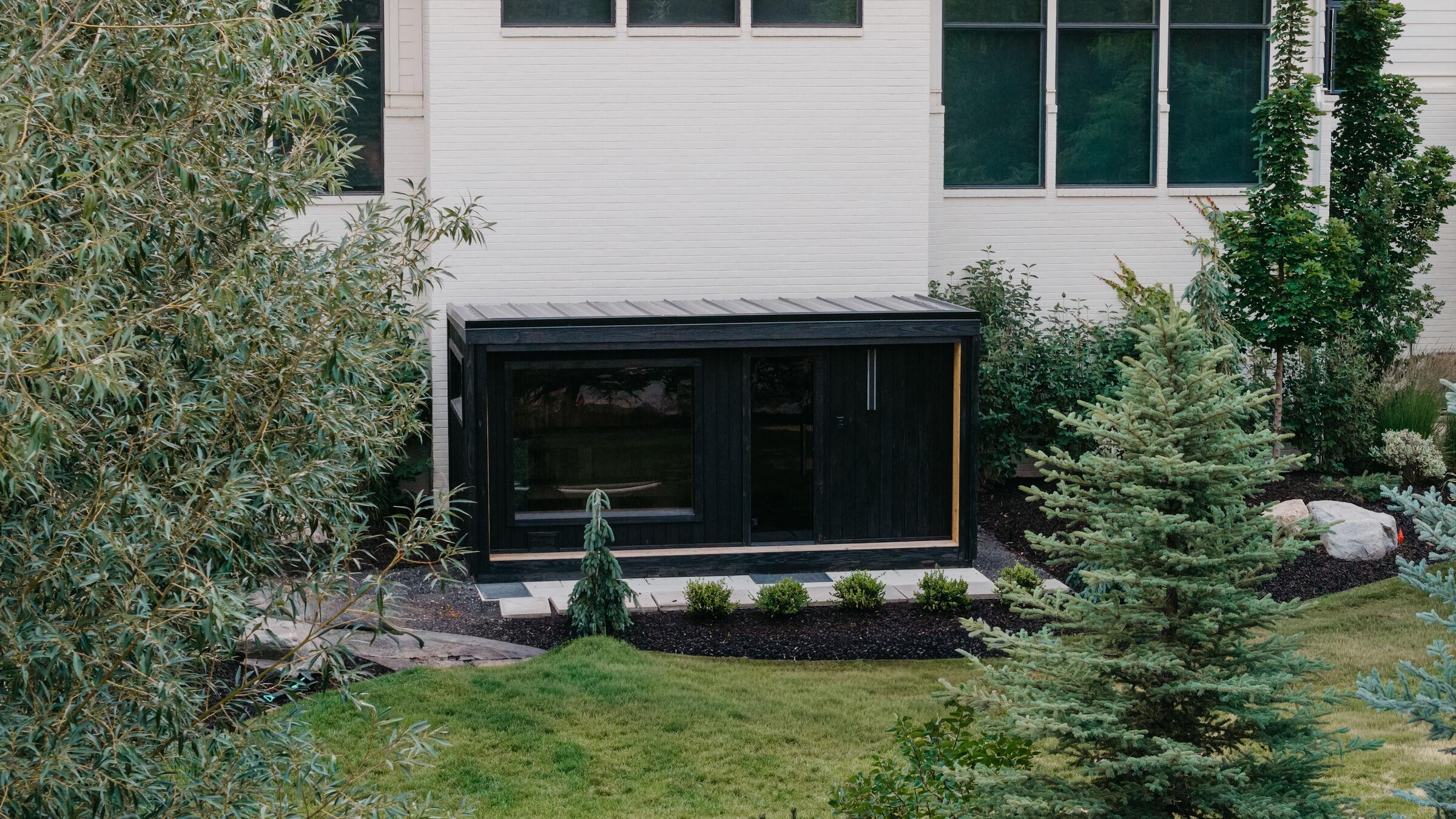
Xeriscape earned its reputation honestly.
For twenty years the water-conscious yard meant the same three things: the lawn came out, the rock went down, and a few junipers went in on a grid. It used less water. It also gave people every reason to believe that conservation and a good-looking property were opposed.
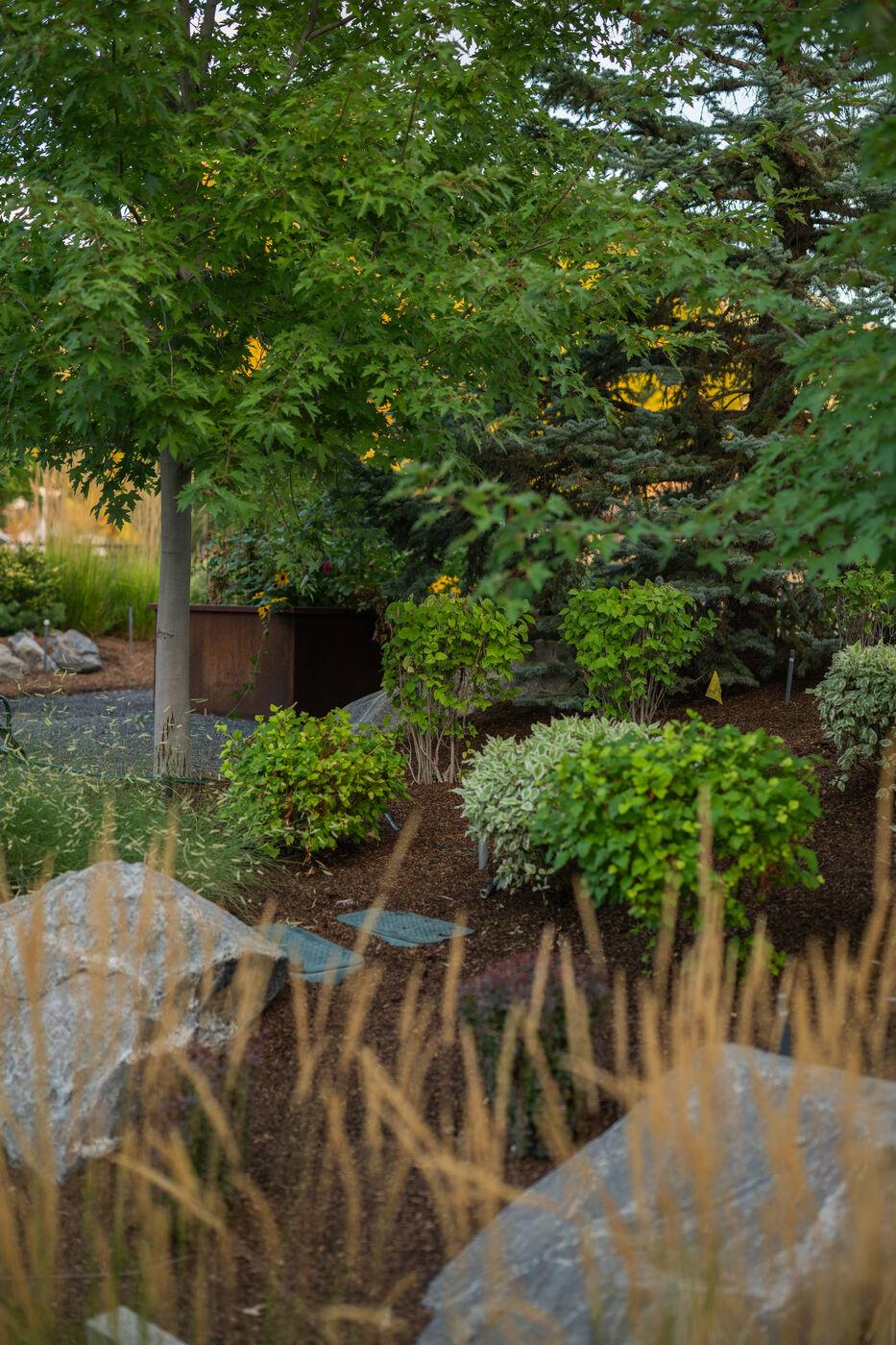
They are not. A planting that reads as bleak is a planting design problem, not a water problem. The palette that actually thrives here — rabbitbrush, blue grama, little bluestem, penstemon, serviceberry — carries more color across the year, more movement in wind, and far more structure in winter than the turf-and-foundation-shrub yard it replaces.

The Moves
Six decisions that do the work.
None of these is a product. They are design decisions, and they are made in a particular order for a particular site — drawing on the same planting and water disciplines that run through the rest of our work.
- 01
Reduce turf to where it is used
Lawn is not the enemy. Unused lawn is. A stretch of cool-season grass in full sun that nobody walks on is the single largest draw on a Utah irrigation system, and it is usually there because it was the default, not because anyone chose it.
We keep lawn where there is a reason for it — a run for children, a dog, a level place to put a table — and take it out of the corners, the slopes, and the strips where it was only ever filling space.
- 02
Park strip conversion
The strip between sidewalk and curb is the hottest, most reflective, worst-irrigated ground on the property. Spray heads throw half their output onto concrete, and the soil is compacted from construction — often only a few inches of topsoil over road base.
It is the first place we look. It is also where the change is most visible from the street, which is why it is the conversion most people start with.
- 03
Hydrozoning
Plants get grouped by water demand and by exposure, and each group gets its own valve. This is the move most retrofits skip, and it is why so many waterwise yards still run wet.
One zone serving a shaded bed and a south-facing slope has to be set for the slope, which drowns the bed. Separating them is what lets the low-water half of a garden actually run low.
- 04
A palette chosen for alkaline soil and alpine wind
Our soils run alkaline and often heavy with clay. Winters bring freeze-thaw, shoulder seasons are short, and wind exposure on a foothill parcel narrows the list considerably.
Native and adapted species handle all of it without amendment, staking, or annual replacement — and once established, most of them want considerably less water than the schedule they are given.
- 05
Irrigation rebuilt, not reset
Converting planting without converting irrigation gives back very little. Beds move to drip with pressure regulation and filtration. Remaining turf gets matched-precipitation nozzles so the whole zone applies water at one rate rather than flooding one end to reach the other.
Controllers get set by plant demand and season, not by a fixed weekly habit inherited from the previous owner.
- 06
Mulch and stone as material, not filler
Depth and particle size are design decisions. Mulch at proper depth holds soil moisture and moderates root temperature through a July afternoon; too thin and it does neither.
The wrong stone in the wrong place radiates heat straight into the plants it surrounds. We specify both the way we specify paving — for how they read, and for what they do.
Through the Year
What a waterwise yard actually looks like.
Spring
Bulbs and early perennials come up through last year's standing growth, which gets cut back once the ground has warmed rather than in autumn. Irrigation stays off longer than most people expect — the moisture is already in the soil, and running the system early only teaches roots to stay shallow.
Summer
This is when the palette earns itself. Grasses reach full height, the long bloom of penstemon and salvia is running, and the beds hold without daily water. Whatever turf remains is watered deeply and less often, which sends roots down instead of sideways.
Autumn
Grasses go copper and stay upright. Seed heads are left standing rather than cut — they carry structure through winter and feed birds. This is also the better planting season here: roots establish in warm soil without summer's demand on the top growth.
Winter
The garden is not blank. Stone, walls, standing grasses, and the branch structure of deciduous shrubs hold the composition, and snow reads against all of it. This is the test a lawn-dominant yard fails — for four months there is nothing to look at.
Rebates & Programs
We can build to your water district’s requirements.
Utah funds turf-conversion and water conservation programs, and individual water districts run their own. They come with real specifications — what counts as converted area, what has to be planted, what irrigation must be in place, and what documentation is required before and after the work.
Those terms change, and they differ from one district to the next. We do not quote them from memory and we would rather you did not either. What we do is design and build to whatever your program currently requires, and produce the plans and photography in the format the application asks for. We have run these conversions across the counties we serve, and can point you to finished ones.
Tell us your address and we will find out what applies to it before you commit to anything.
To Be Clear
What this does not mean.
It does not mean no lawn.
If you have young children or a dog, you should have grass. The question is how much, in what shape, and whether it is sitting on a slope in full afternoon sun where it will never do well regardless of how it is watered.
It does not mean gravel.
A rock field is not a low-water garden. It is an absent one, and it raises surface temperature around everything planted in it. Stone is used here as a material with a job — drainage, edge, path, contrast — not as ground cover of last resort.
It does not mean waiting years.
Plant size at install is a specification, and we set it deliberately. Grasses and perennials read as intended in the first season. Shrubs and trees take longer, which is an argument for getting them in the ground this year rather than next.
Planted, Not Turfed
What replaces the lawn.
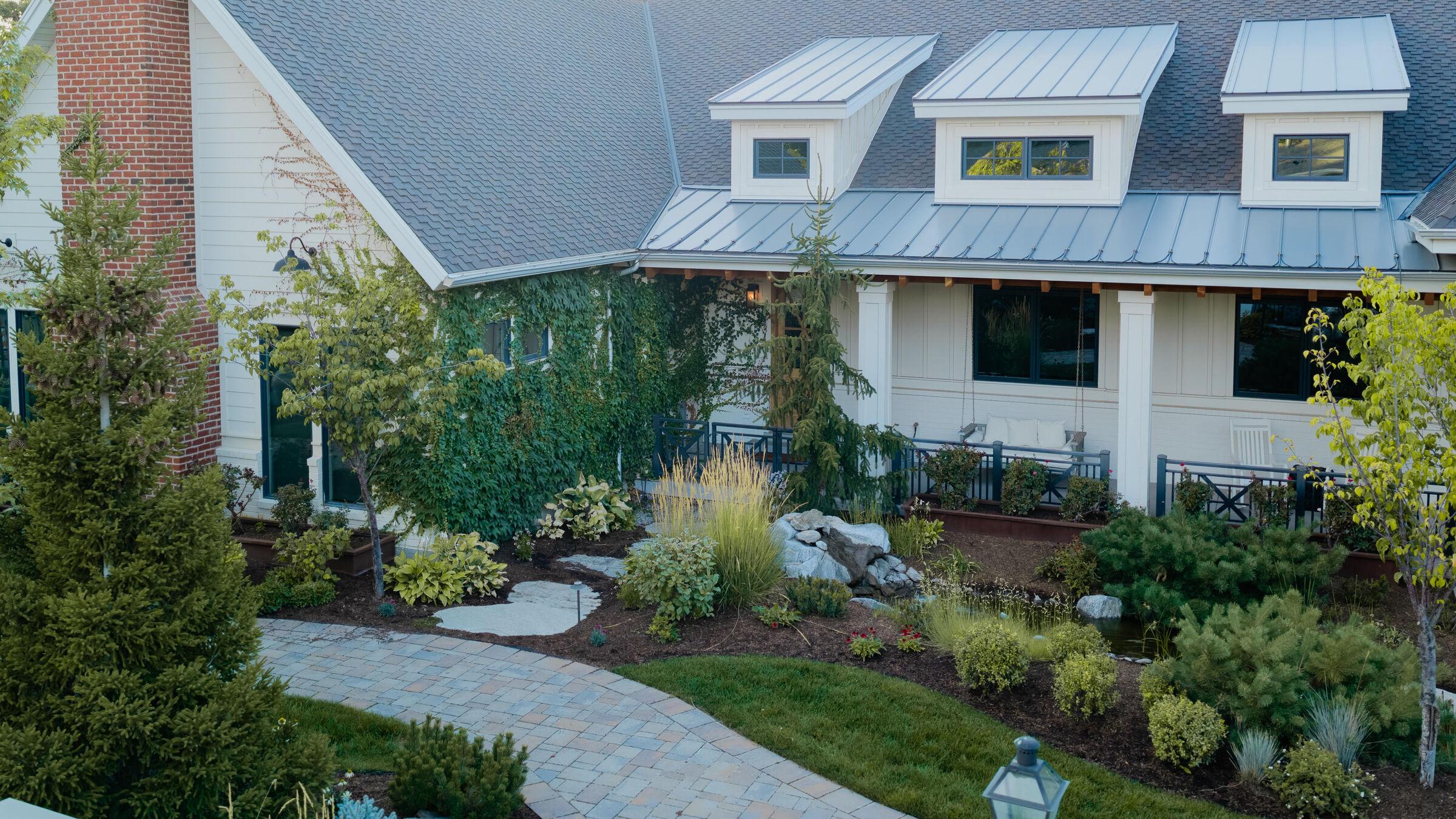
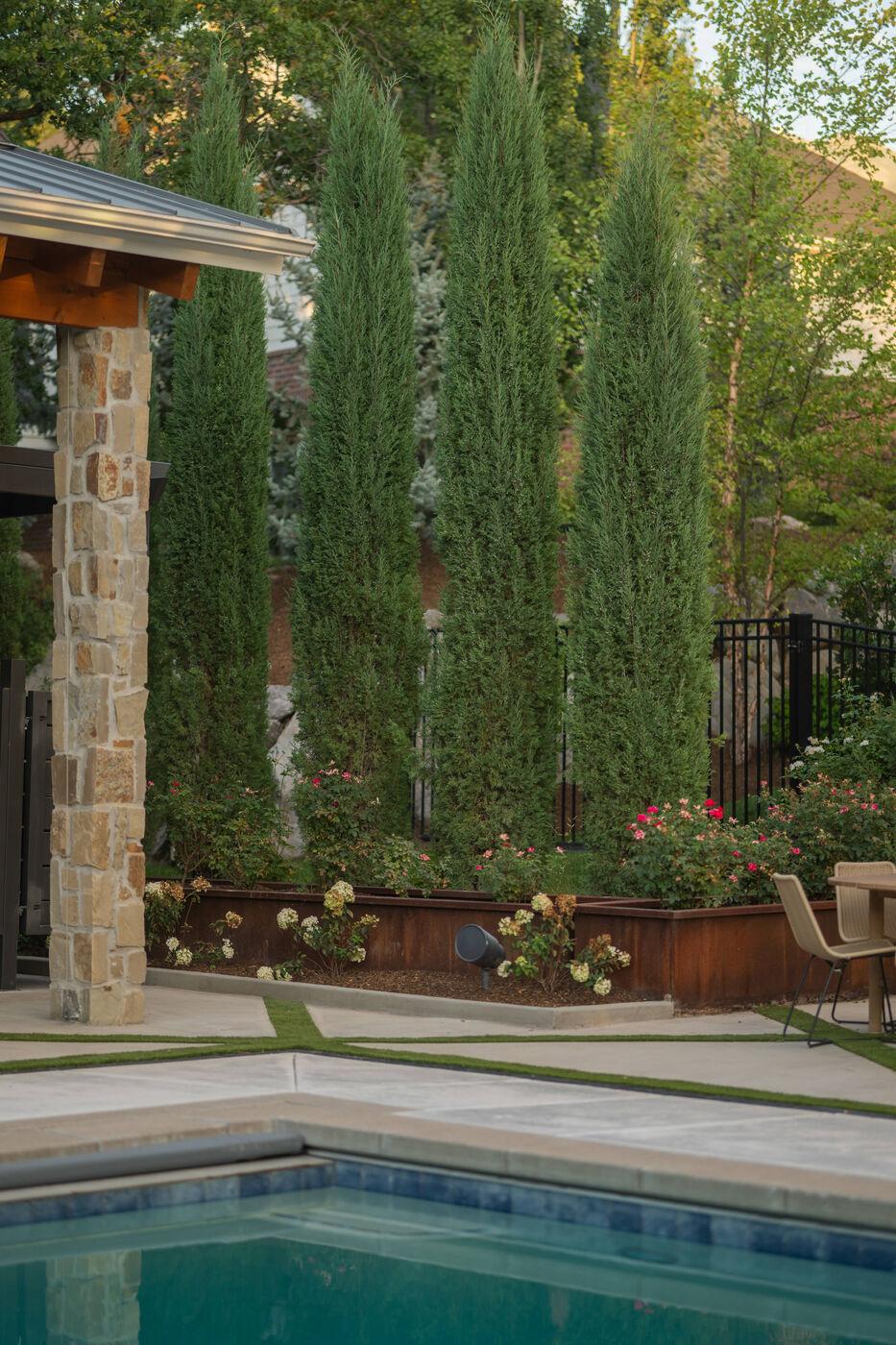
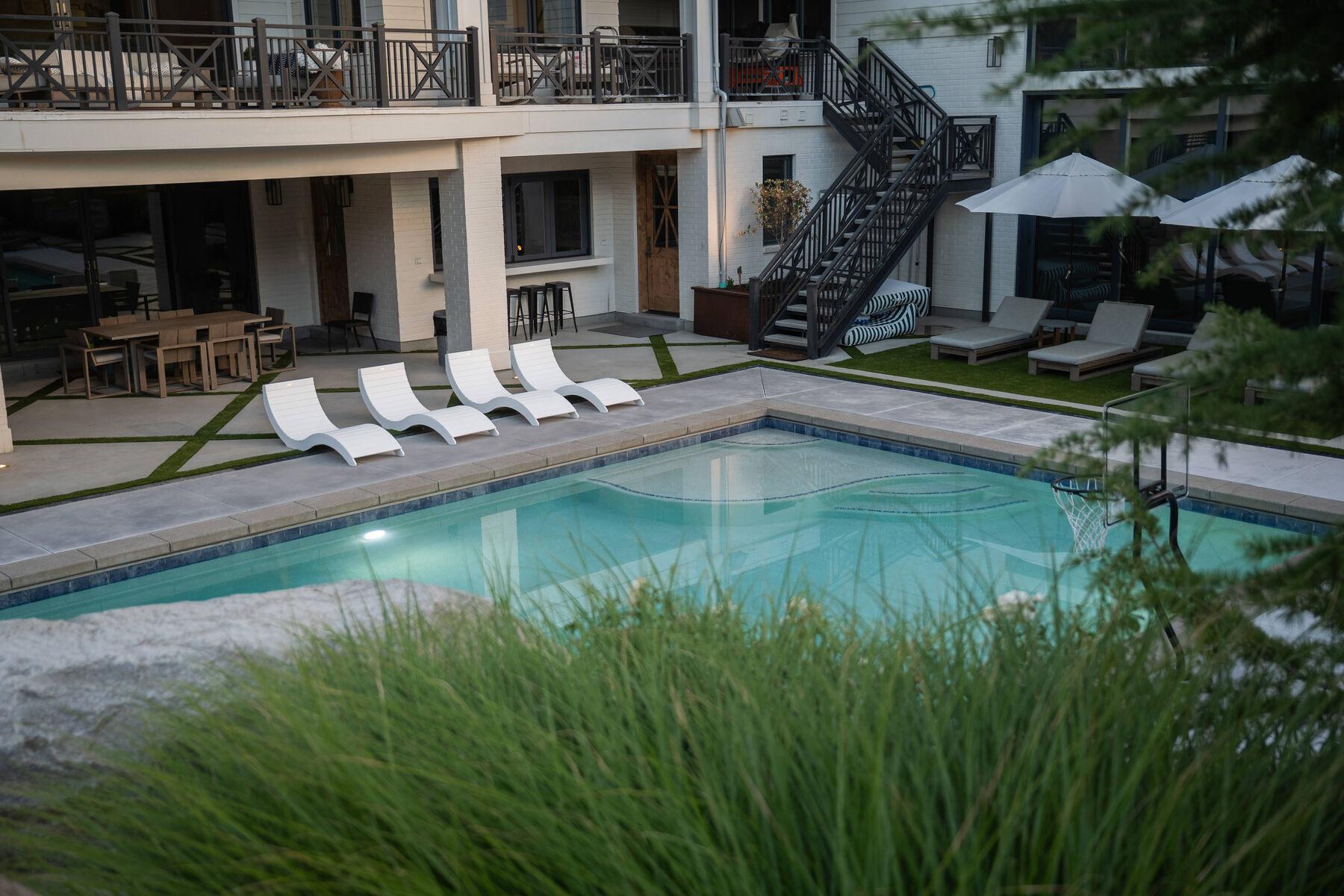
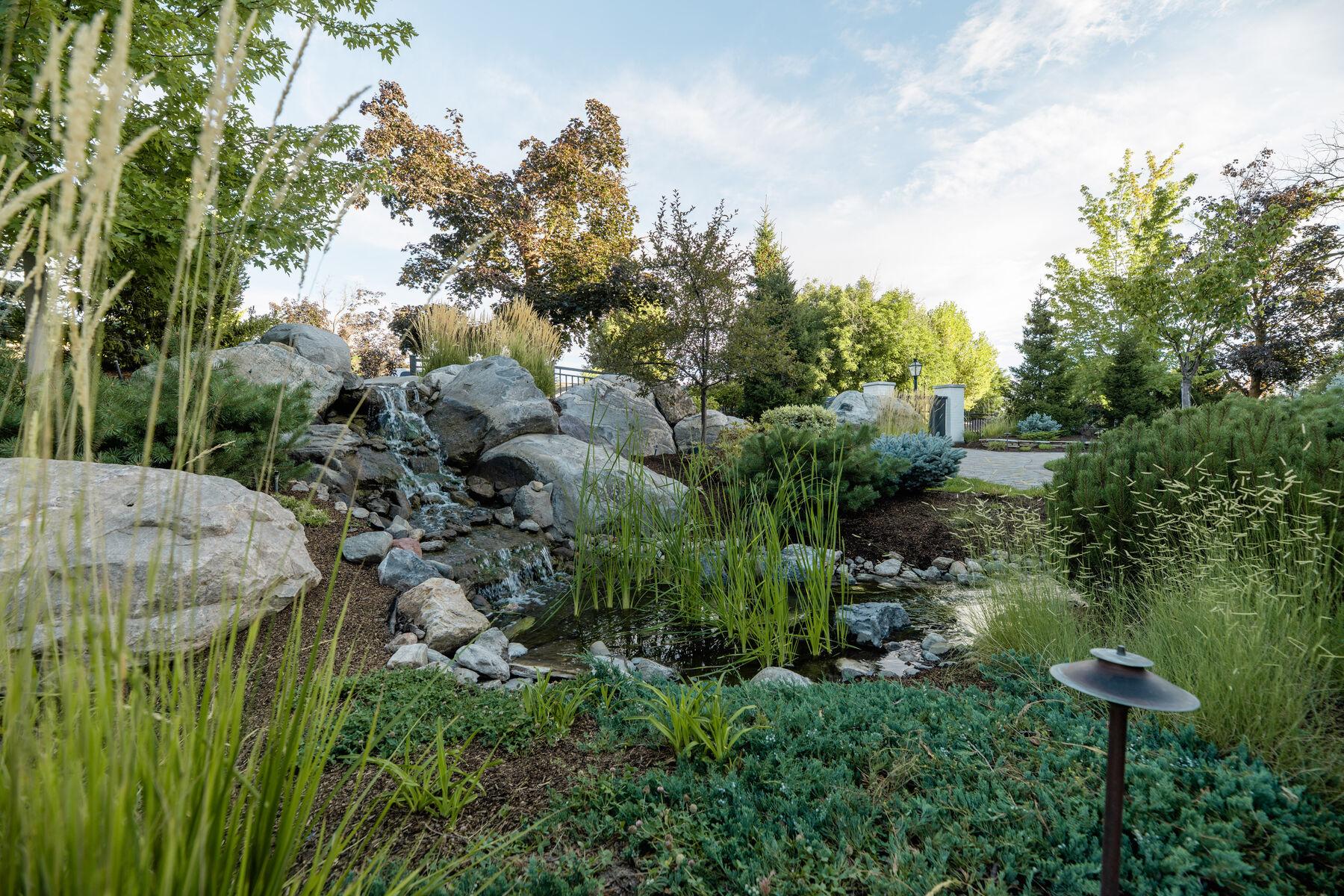
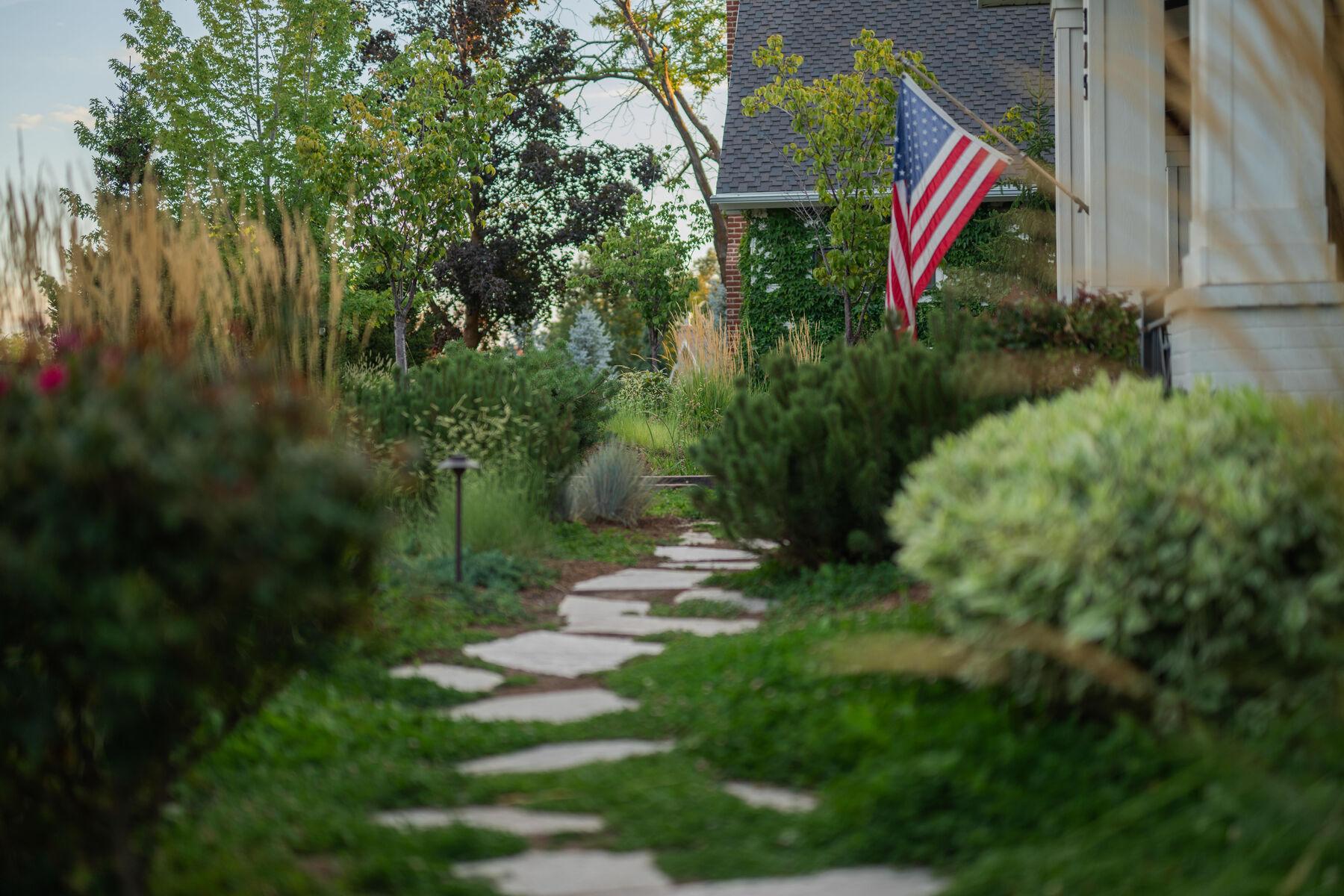
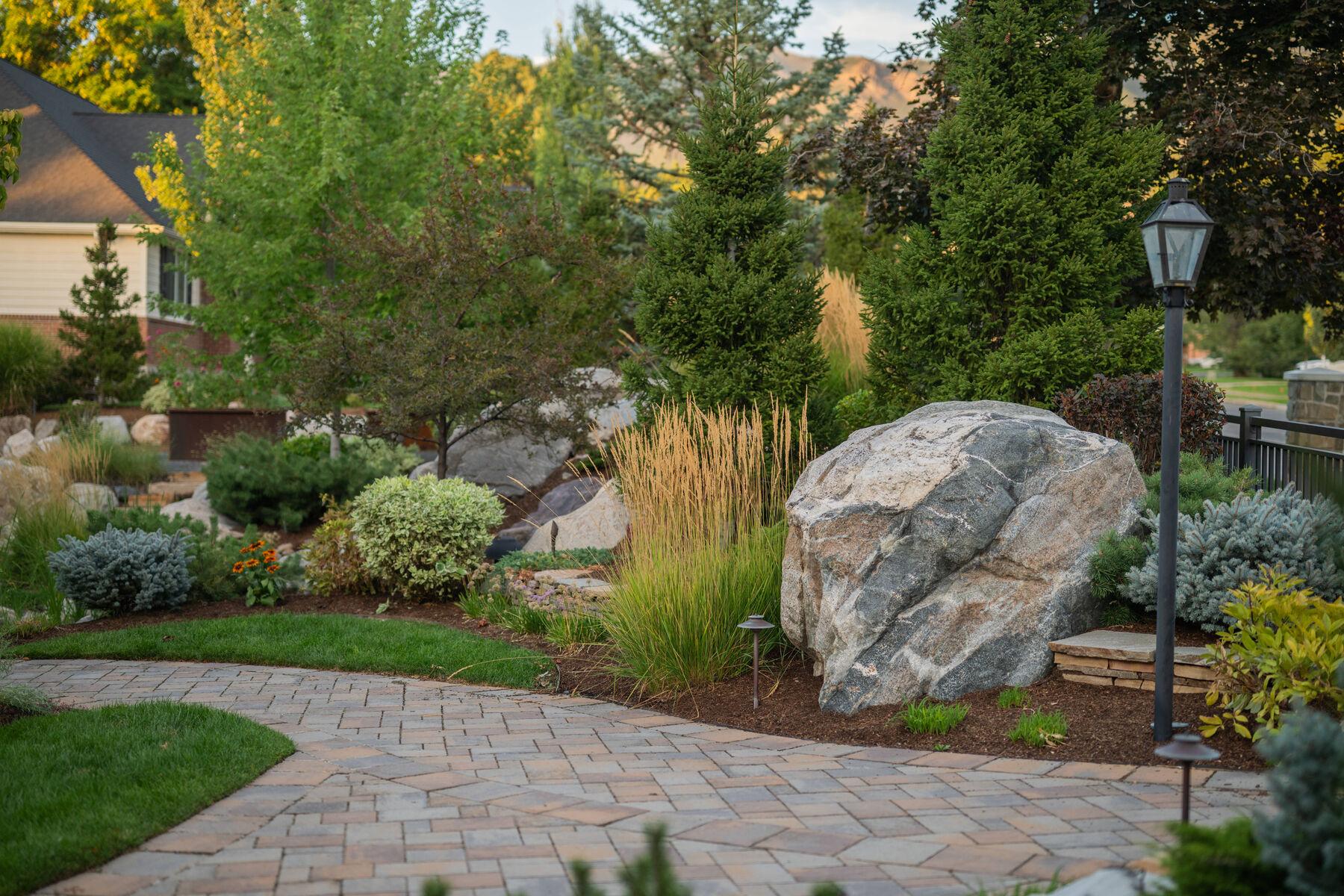
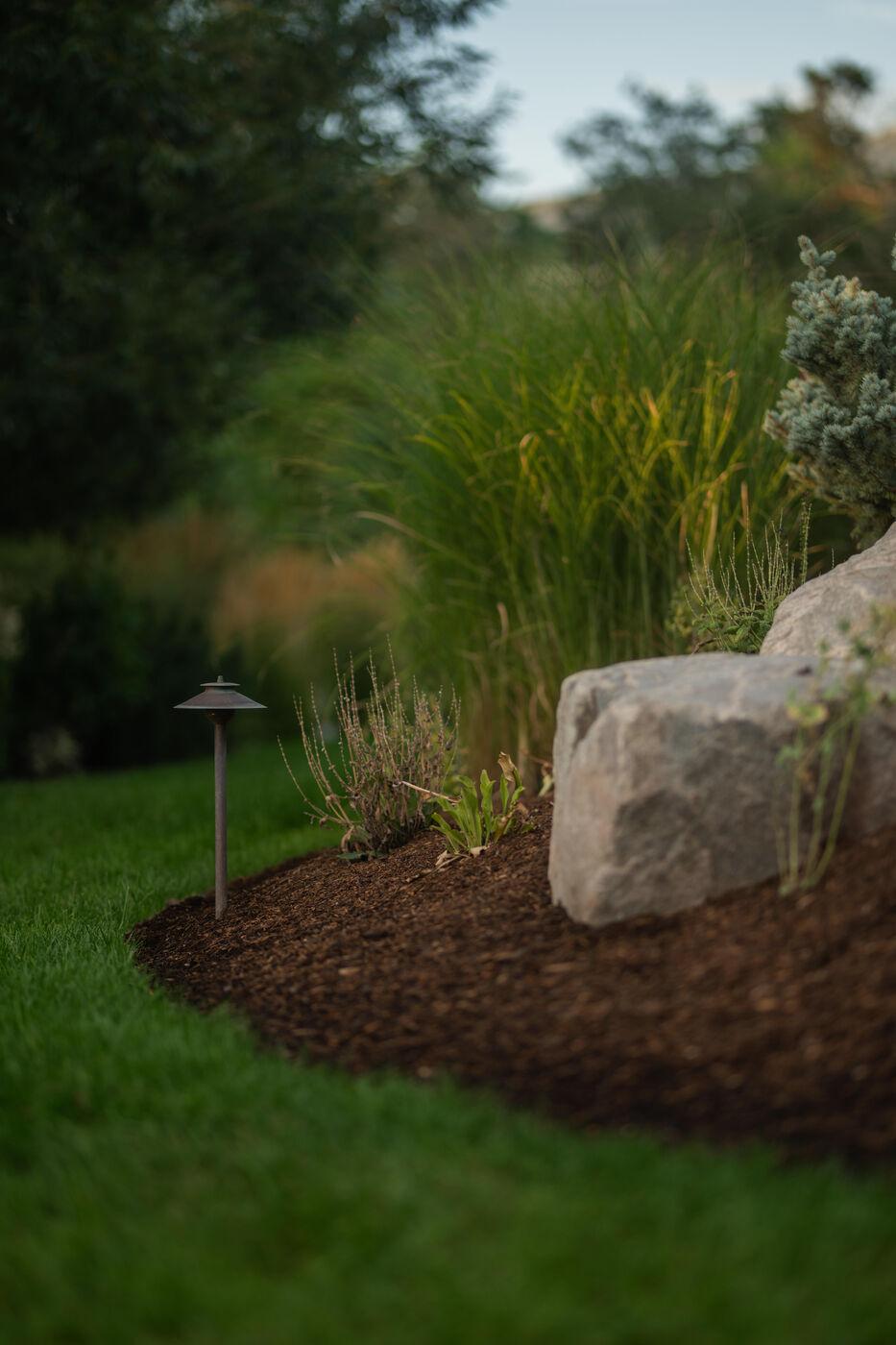
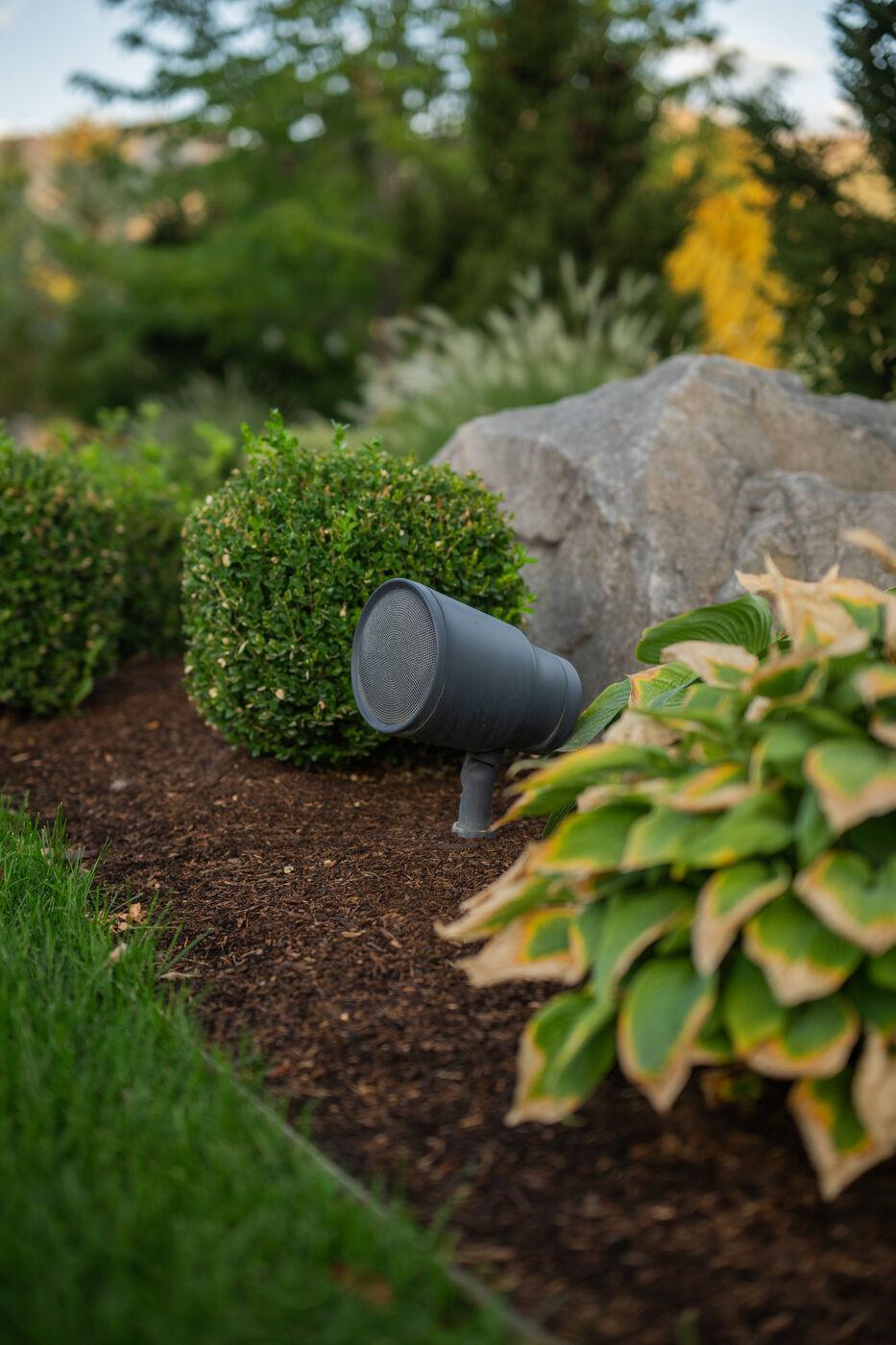
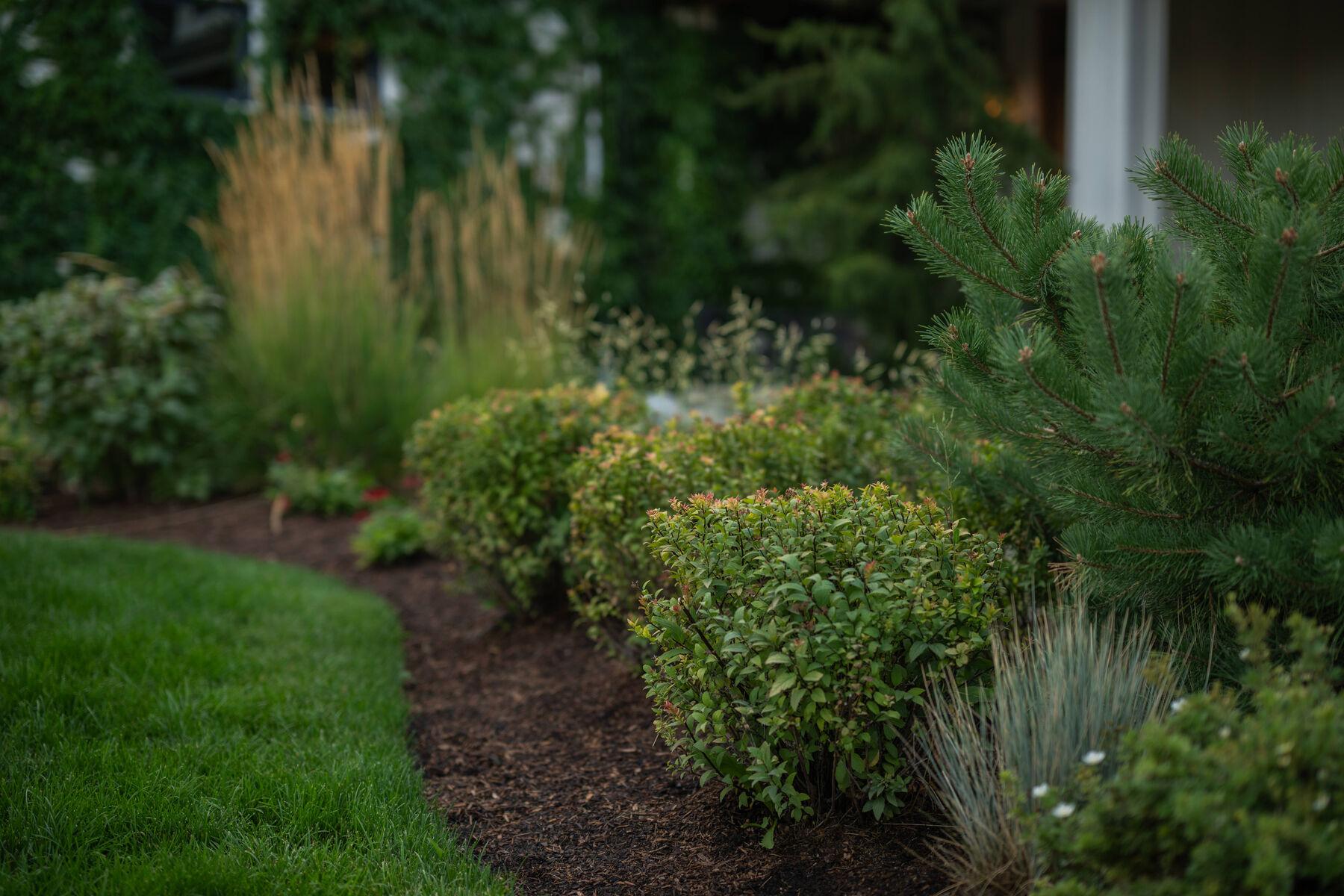
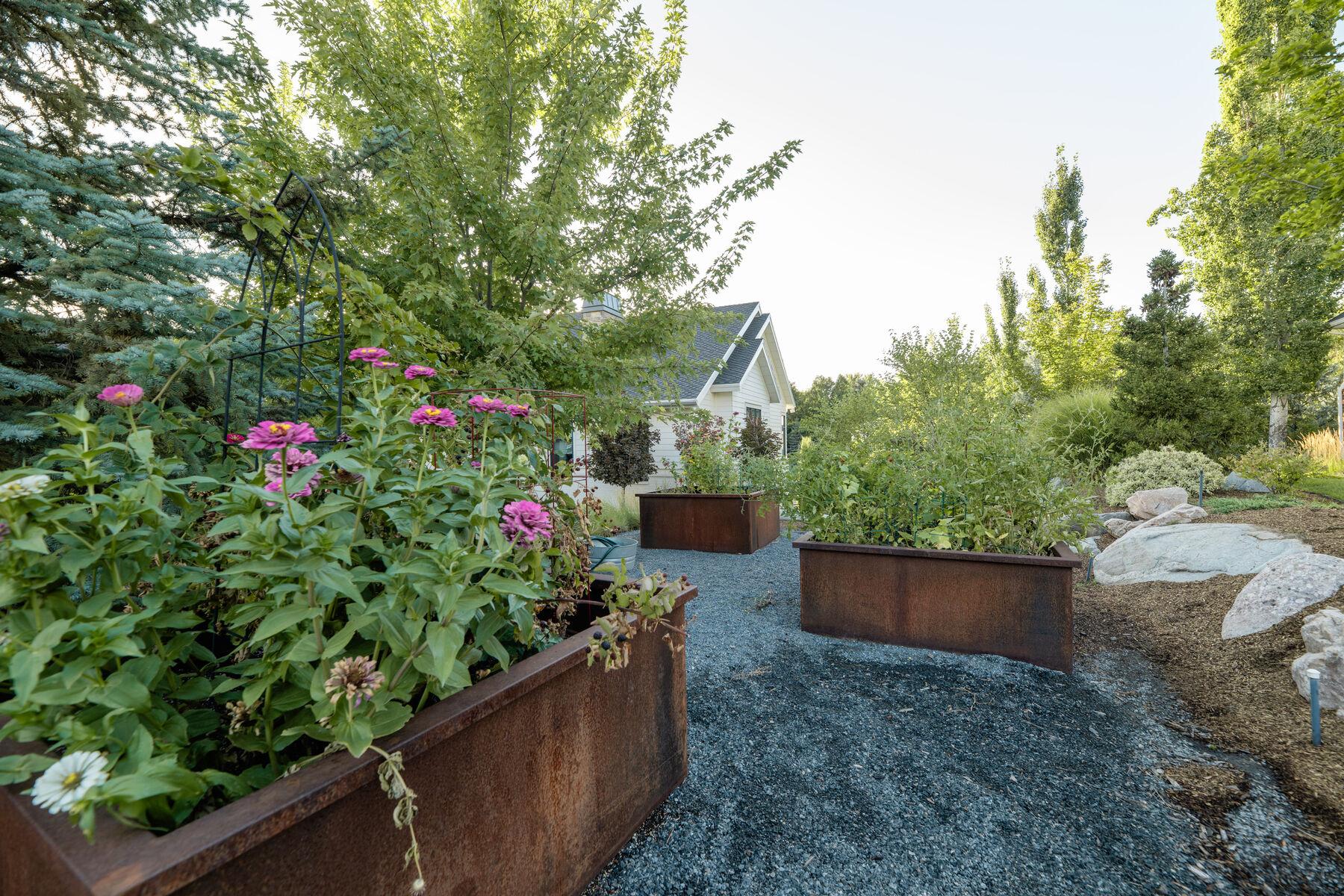
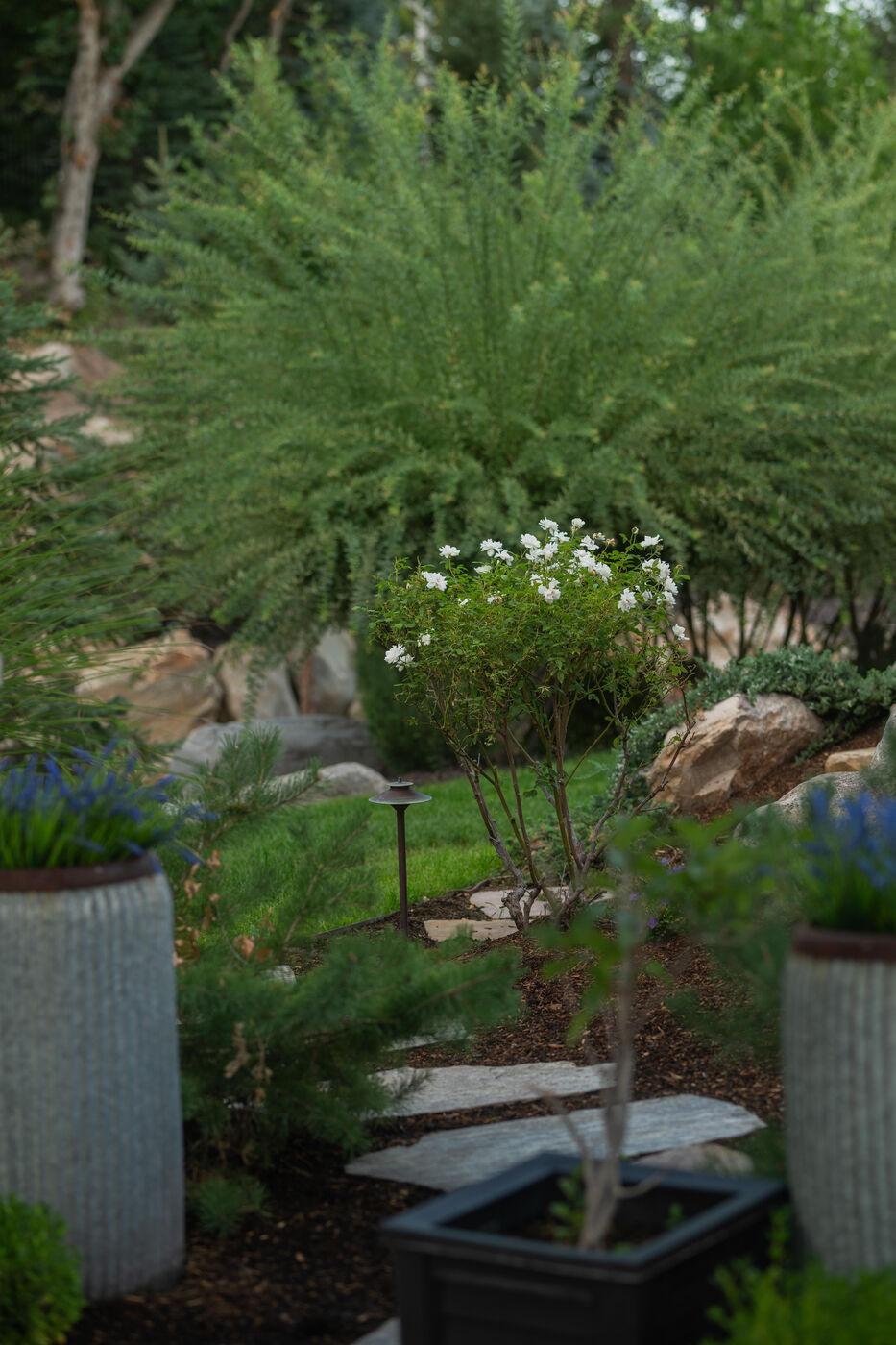
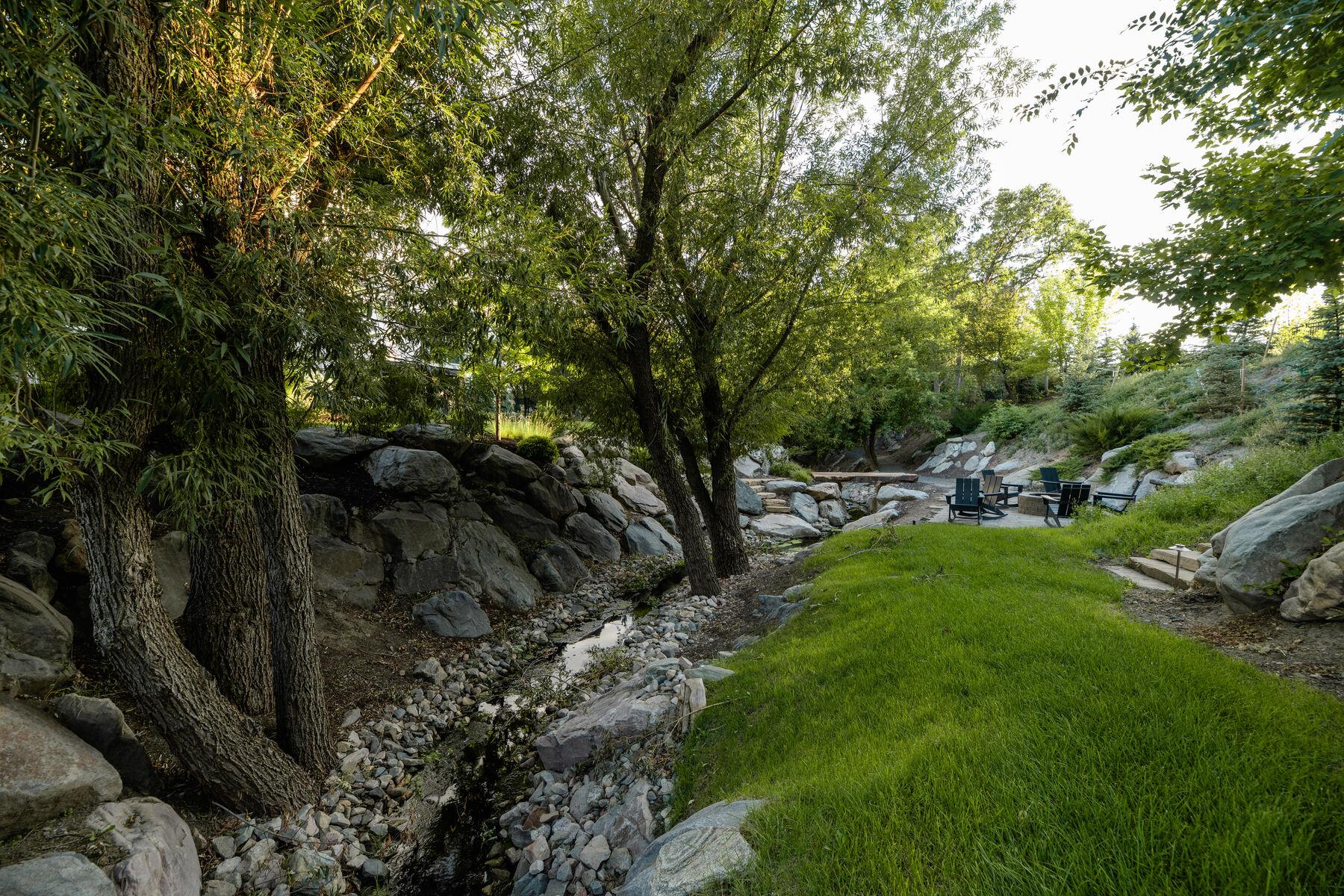
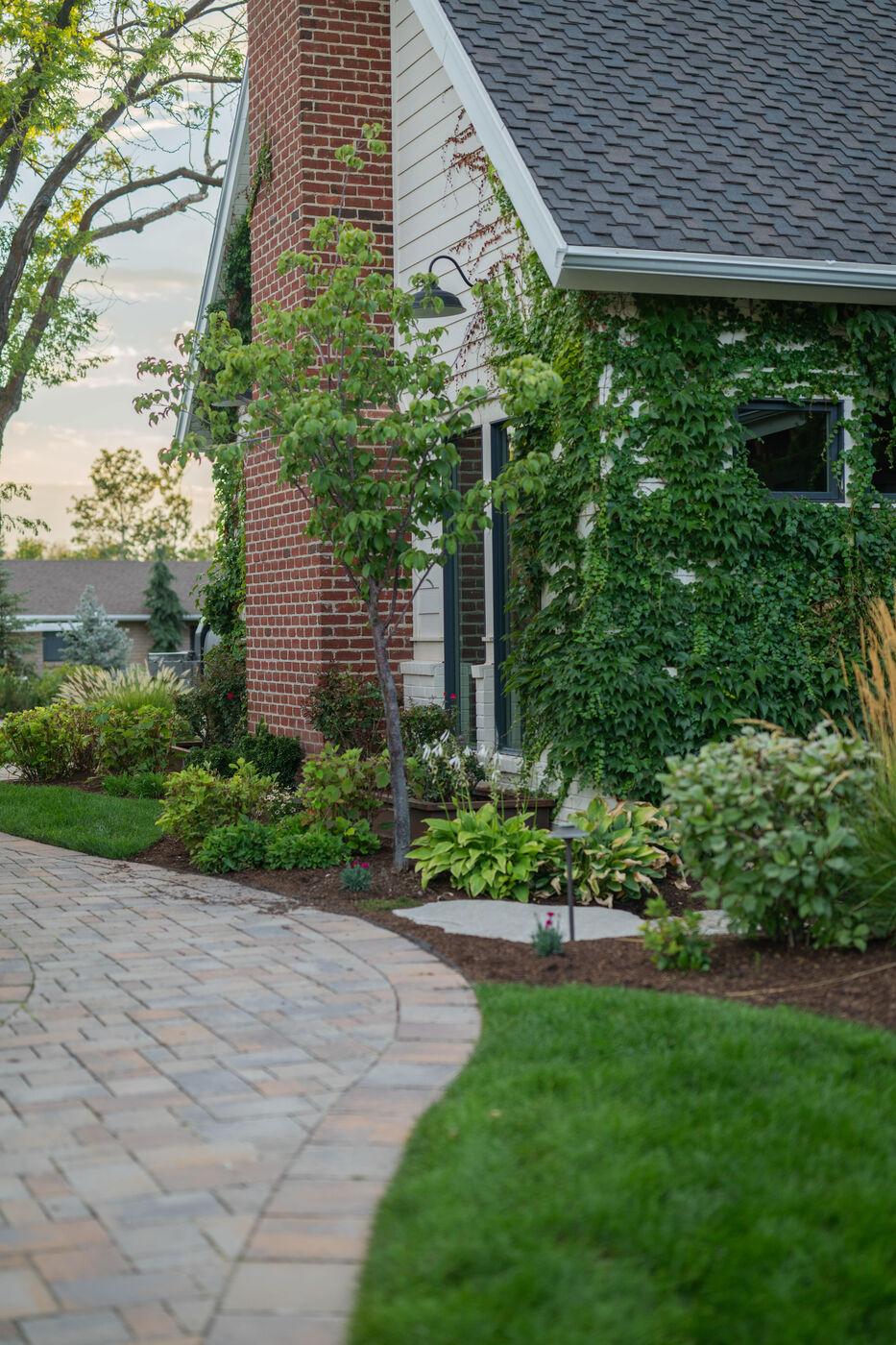
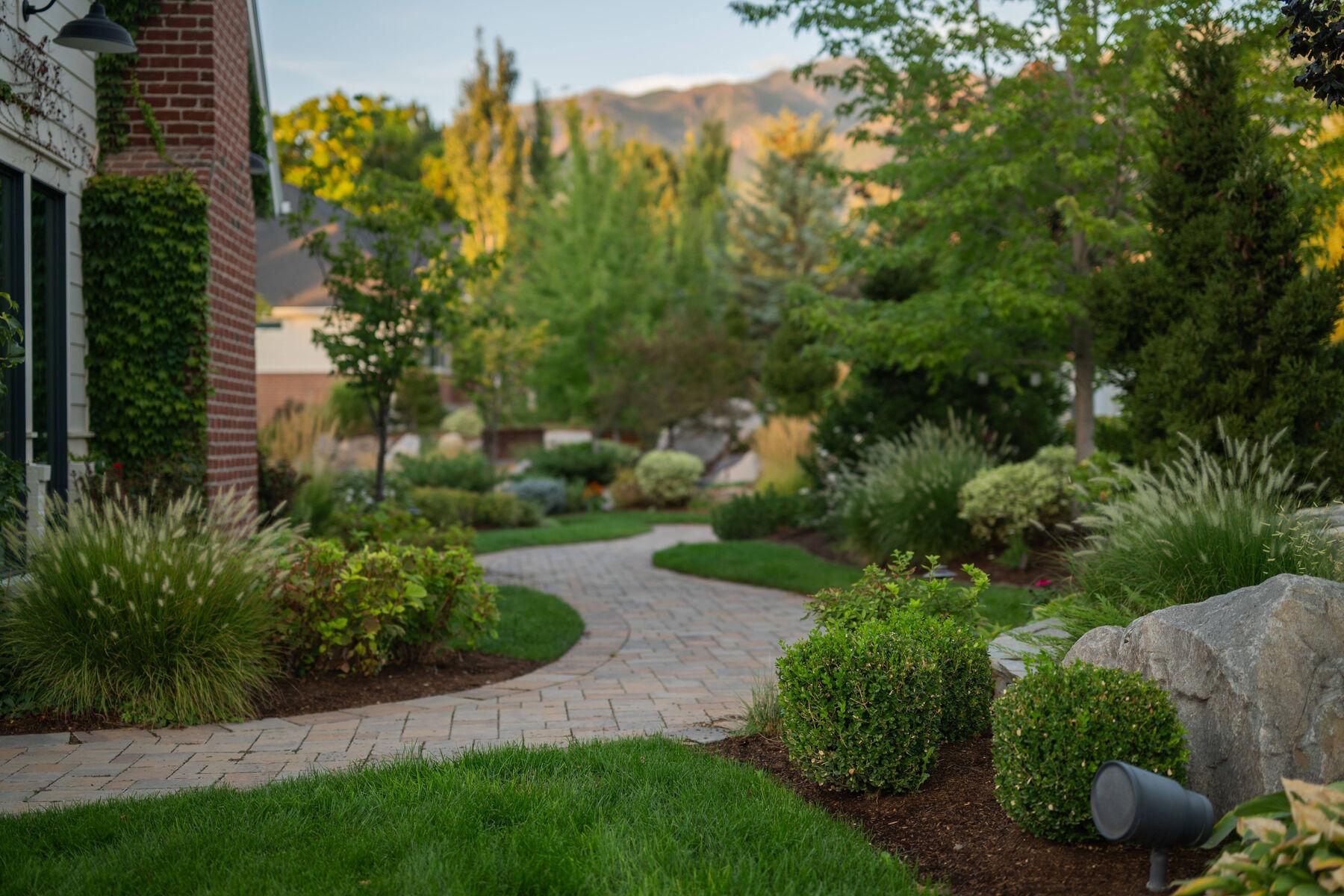
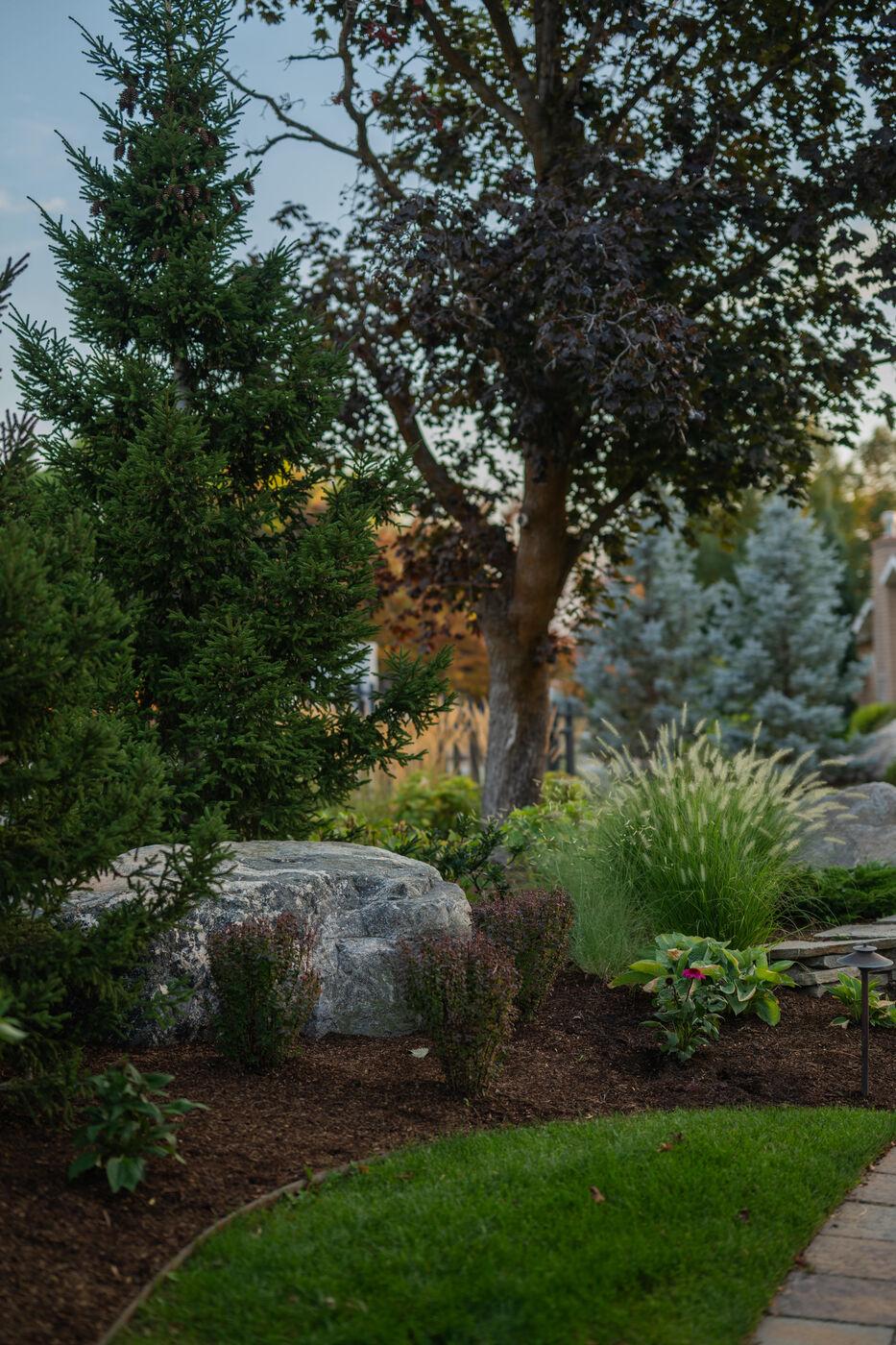
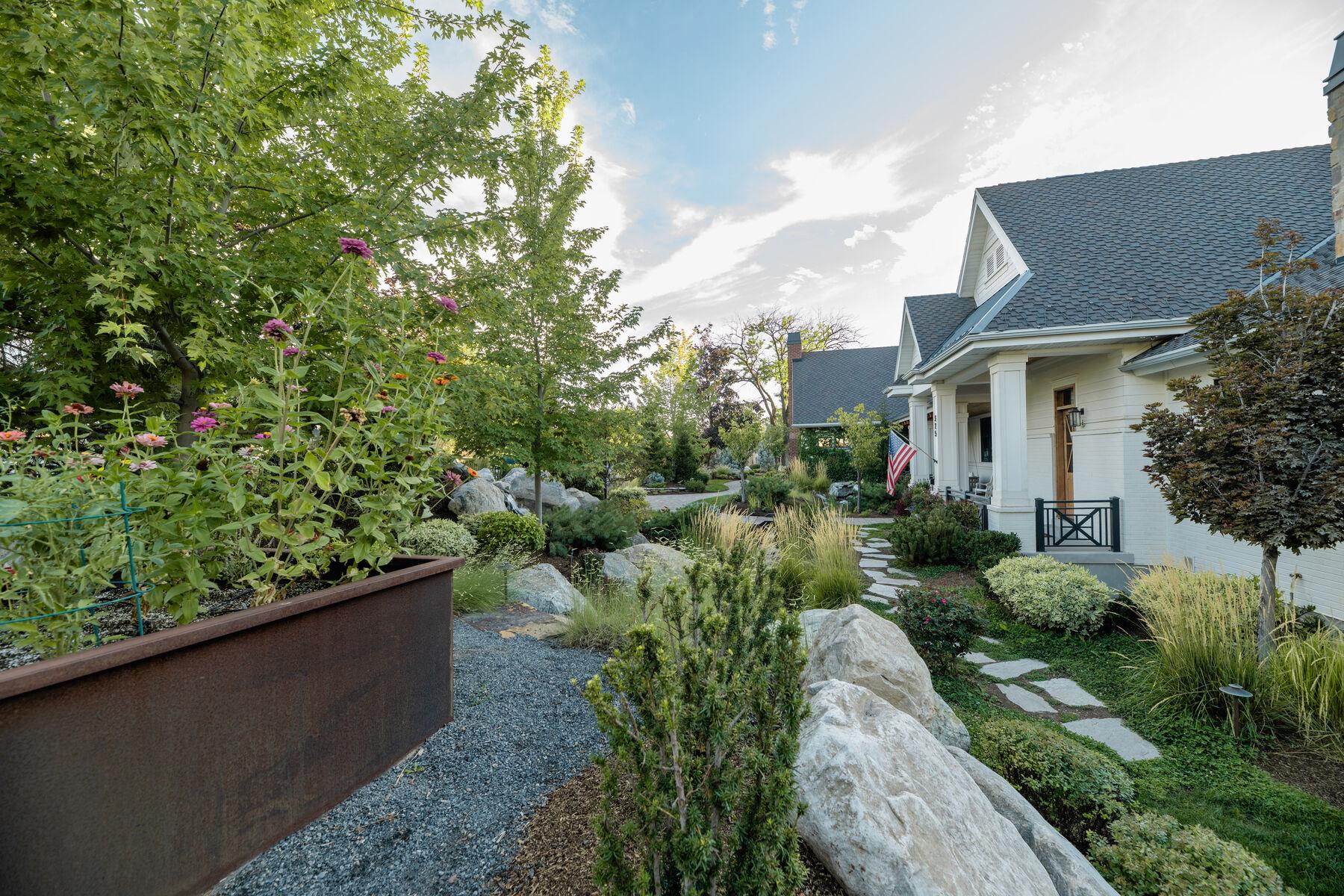
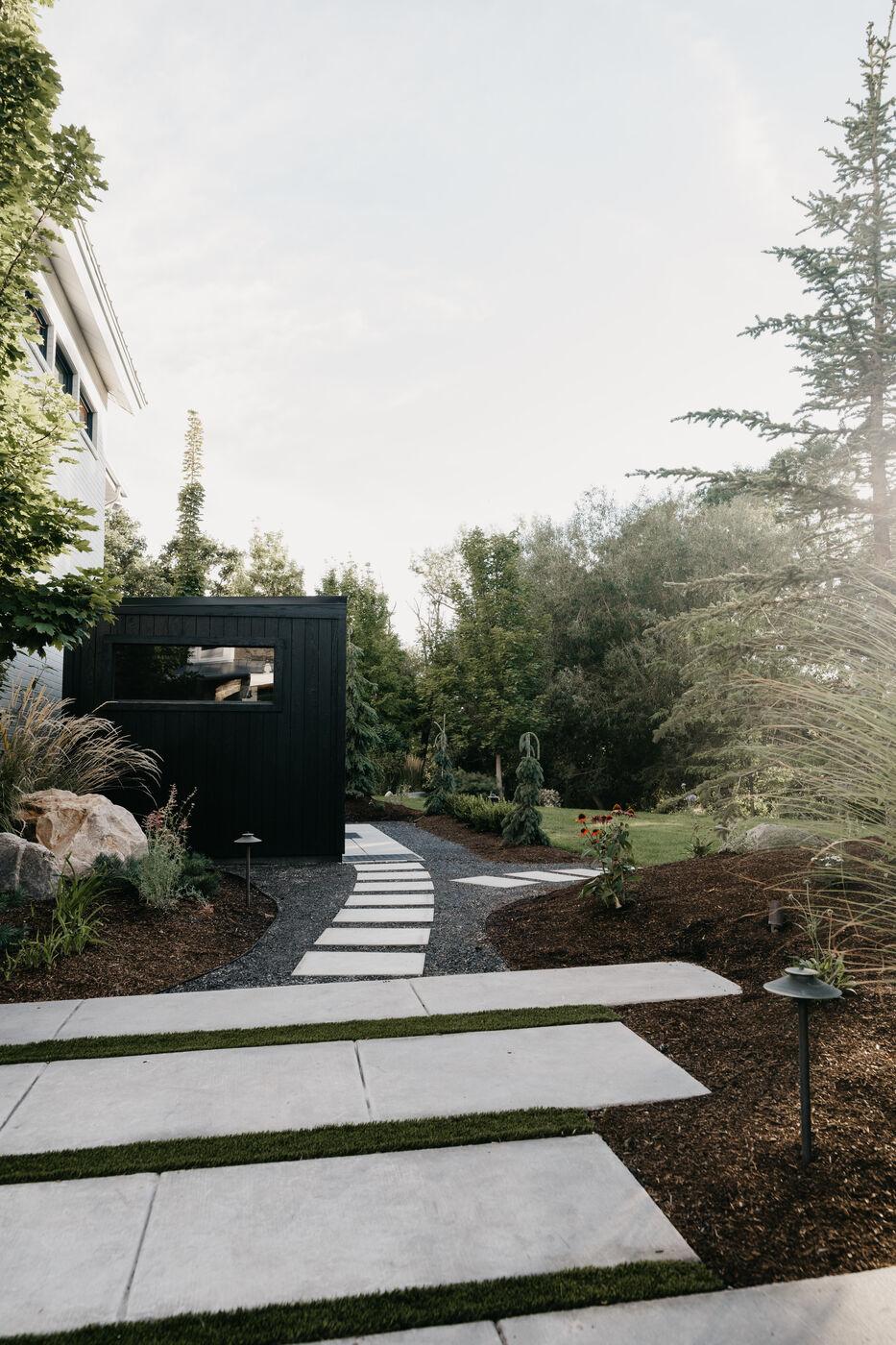
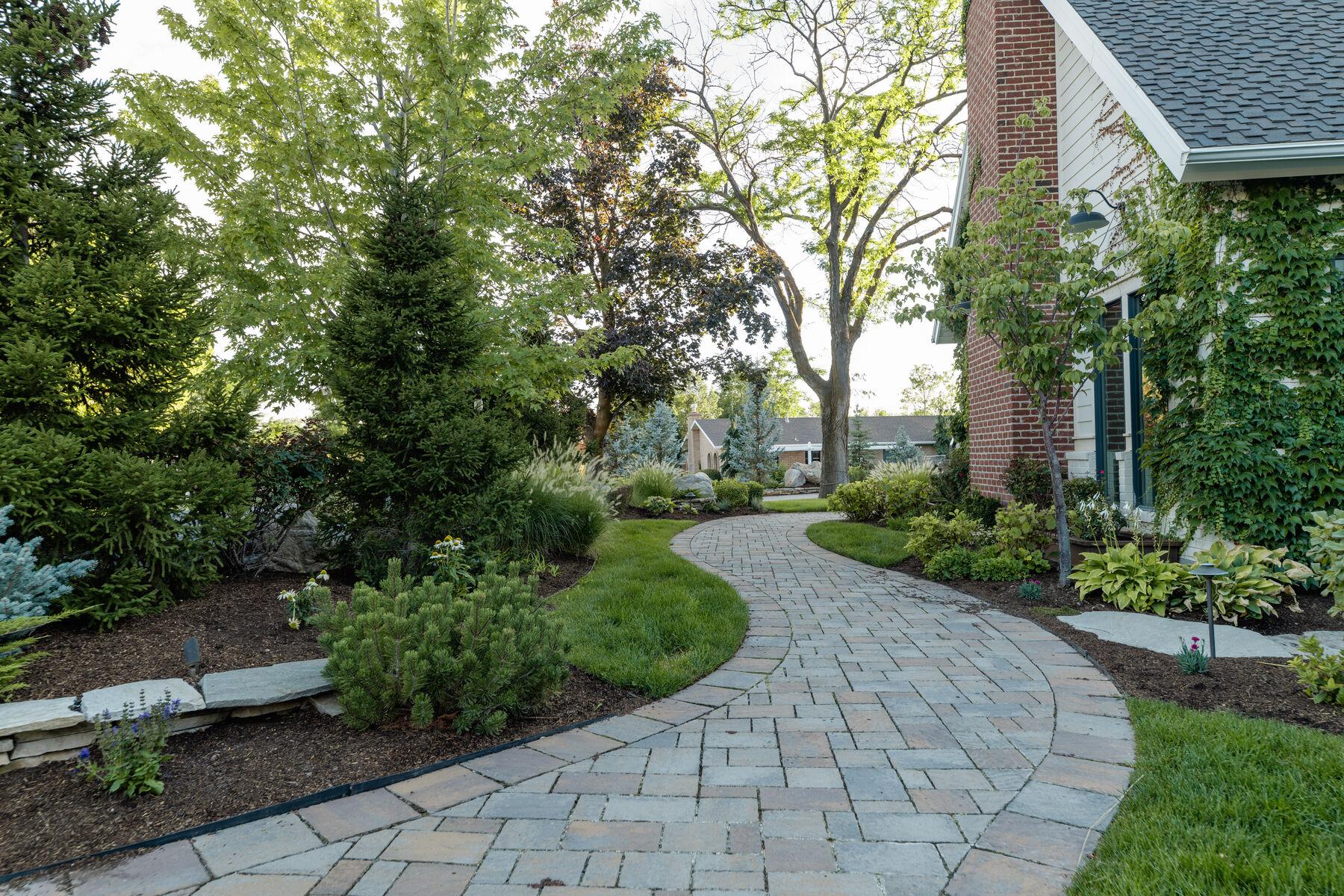
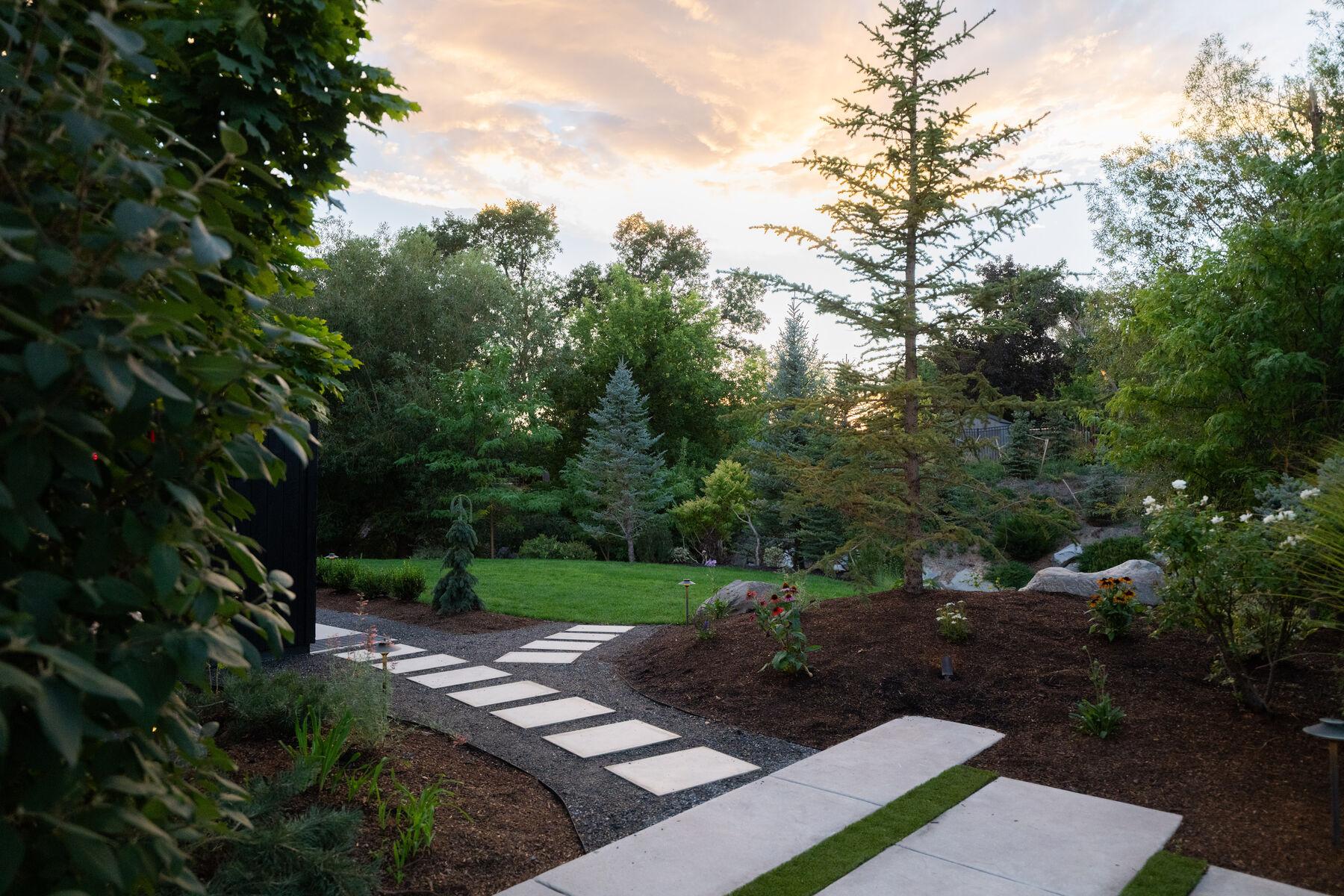
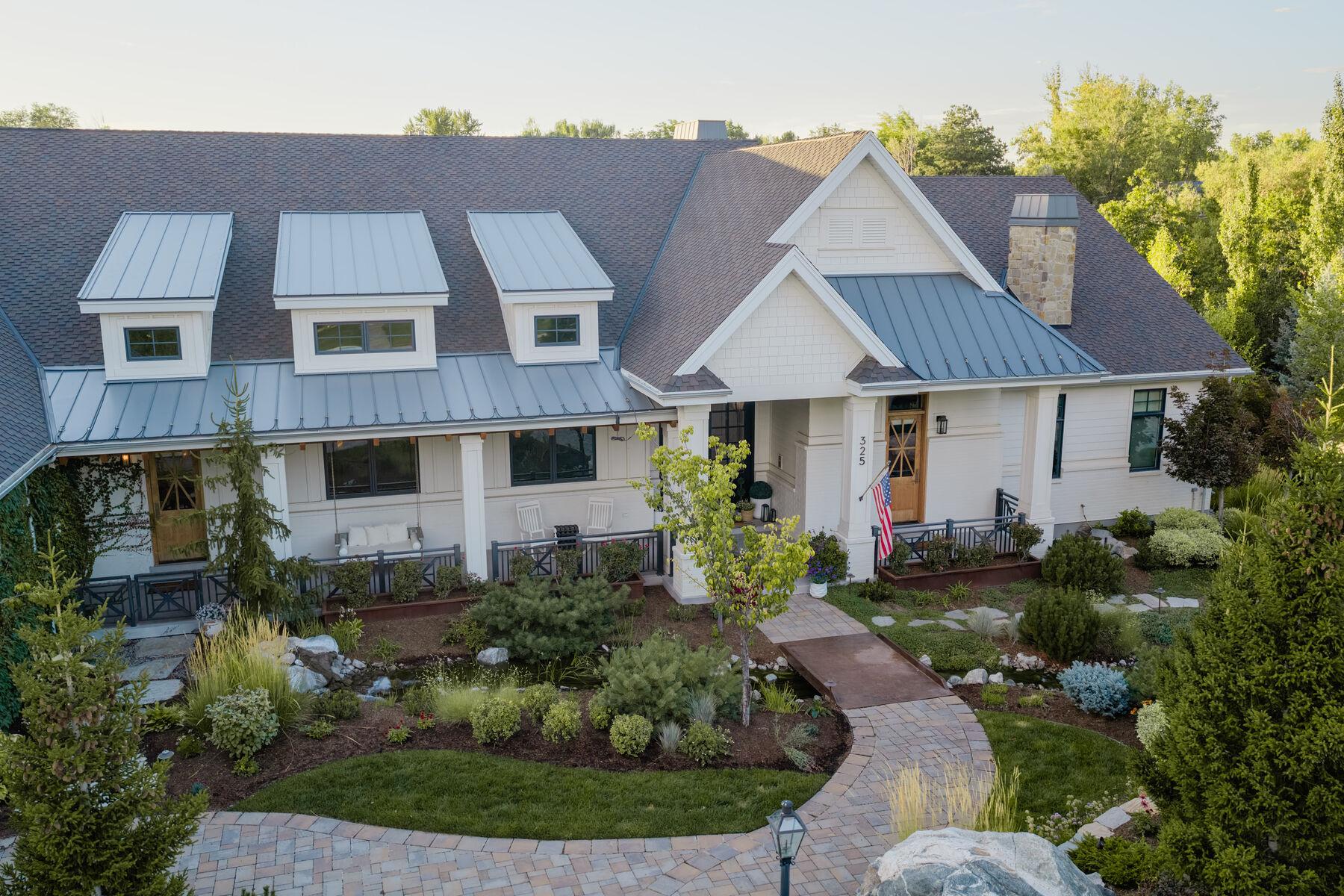
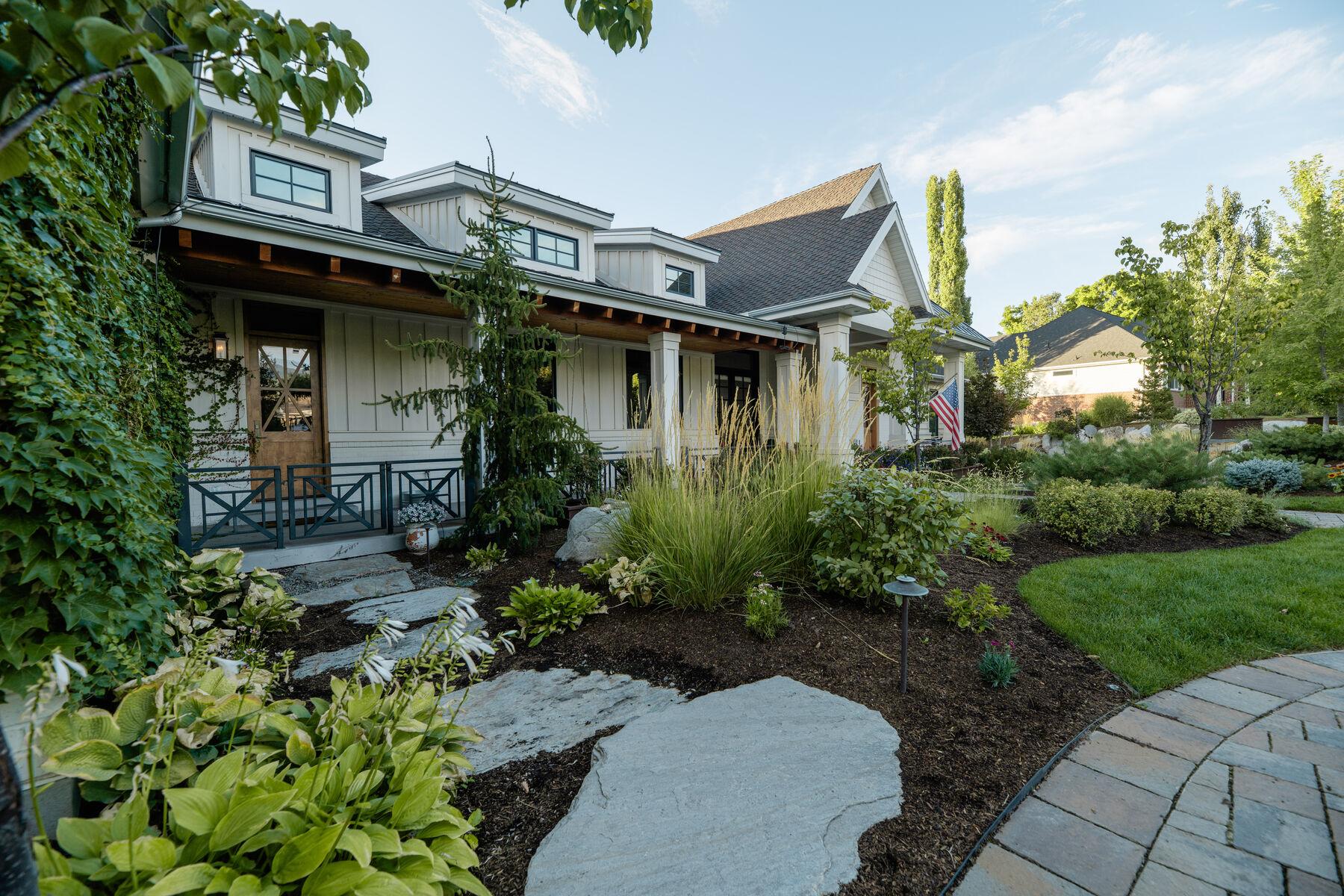
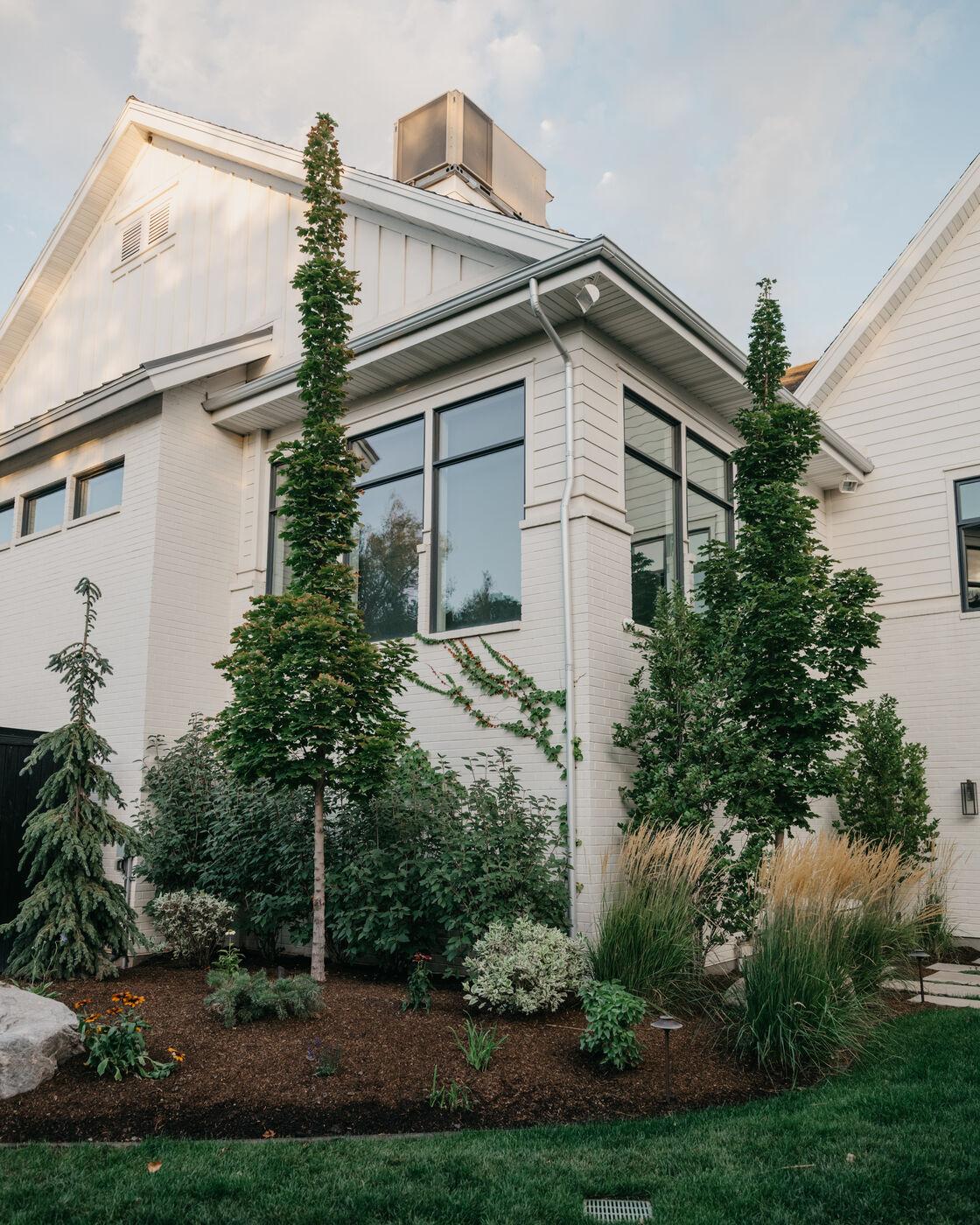
Every frame here is planting doing work turf would otherwise be doing — massed shrubs, grasses that hold their structure through winter, and beds mulched deep enough that the soil below them stops drying out by noon.
Common Questions
Waterwise, in practice.
- Is a waterwise yard cheaper than a traditional lawn?
- Up front, usually not — the cost of a converted landscape sits in the soil and the irrigation rather than a pallet of sod. What changes is the years after: less water applied, no weekly mowing, and a planting meant to fill in rather than be replaced. The saving is in water and upkeep over the life of the garden, not on the first invoice.
- Which plants actually thrive in northern Utah?
- Our soils run alkaline and often heavy with clay, winters bring hard freeze-thaw, and foothill wind narrows the list further. Natives and proven adapted species — rabbitbrush, blue grama, little bluestem, penstemon, and serviceberry among them — handle all of that without amendment, staking, or annual replacement, and once established want far less water than the schedule they are usually given.
- What is a park-strip conversion, and why start there?
- The park strip — the band between sidewalk and curb — is the hottest, most reflective, worst-irrigated ground on most properties: spray heads throw half their output onto concrete, over soil compacted to a few inches of topsoil on road base. Moving it to drip and drought-adapted planting returns the most water saved per square foot, and it is the most visible change from the street, which is why most people begin there.
- Drip or spray — does the difference matter that much?
- For beds, yes. Spray loses a large share of its output to wind and evaporation and wets leaves and mulch rather than roots. Drip with pressure regulation and filtration puts measured water at the root zone. Where turf remains, matched-precipitation nozzles let the whole zone apply water at one rate instead of flooding one end to reach the other.
- Do waterwise yards look barren in winter?
- A gravel-and-juniper yard does. A designed one does not. Standing grasses hold copper color and structure, seed heads read against snow, and the branch structure of deciduous shrubs, with stone and walls, carries the composition through four months. Winter is the test a lawn-dominant yard fails — for that stretch there is nothing to look at.
- Are there rebates for turf conversion here?
- Utah and individual water districts run turf-conversion and water-conservation programs, and their terms — what counts as converted area, what must be planted, which irrigation qualifies, and what documentation is required before and after — change and differ by district. We do not quote them from memory. We design and build to whatever your program currently requires and produce the plans and photography in the format the application asks for. Tell us the address and we will find what applies before you commit.
Start with the park strip.
Or the whole property. Either way the first conversation is about the site — what the soil is, where the water goes, and what your district currently asks for.