Discipline 05 — Northern Utah
Planting & Gardens
The plant list is the part of a landscape most often copied from somewhere else. Northern Utah punishes that immediately: alkaline soil, thin shoulder seasons, and a growing season that varies by two months between a Holladay garden and a Kamas one.
The Craft
What the work actually is.
Soils along the Wasatch Front commonly test between pH 7.5 and 8.2. At that alkalinity, iron is present in the soil but chemically unavailable to species that evolved somewhere more acidic — which is why silver maples and pin oaks across this valley go yellow between green veins every July and get treated with a fertiliser that cannot fix a chemistry problem. The answer is species selection, decided before anything is planted.
Exposure varies as sharply as soil. A foothill parcel below the Ogden peaks takes desiccating wind that narrows the workable palette considerably. A Summit County site sits a full USDA zone colder than a Salt Lake City bench garden twenty-five miles away, with late frosts that remove a spring flush from anything that leafs out early.
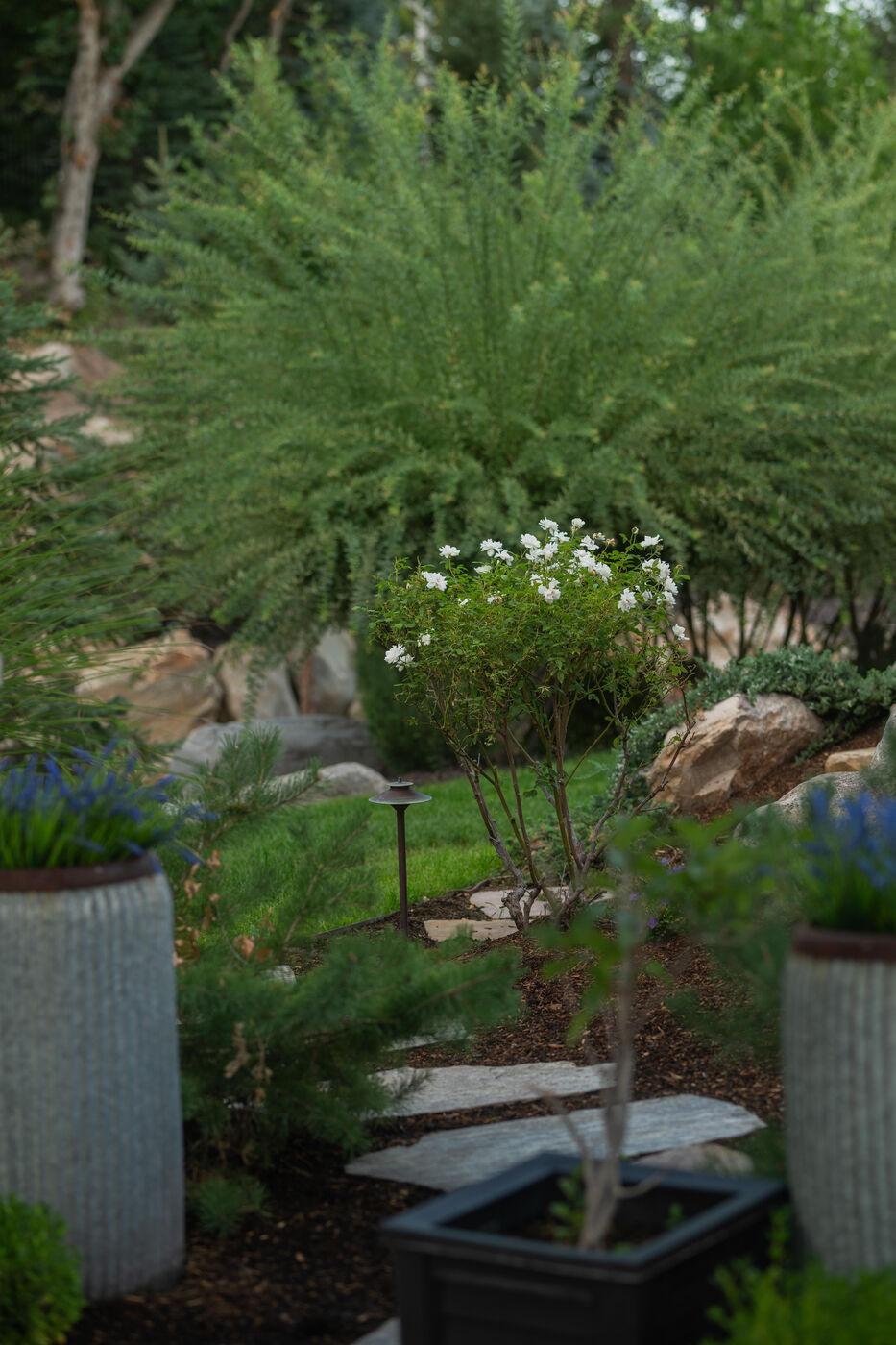
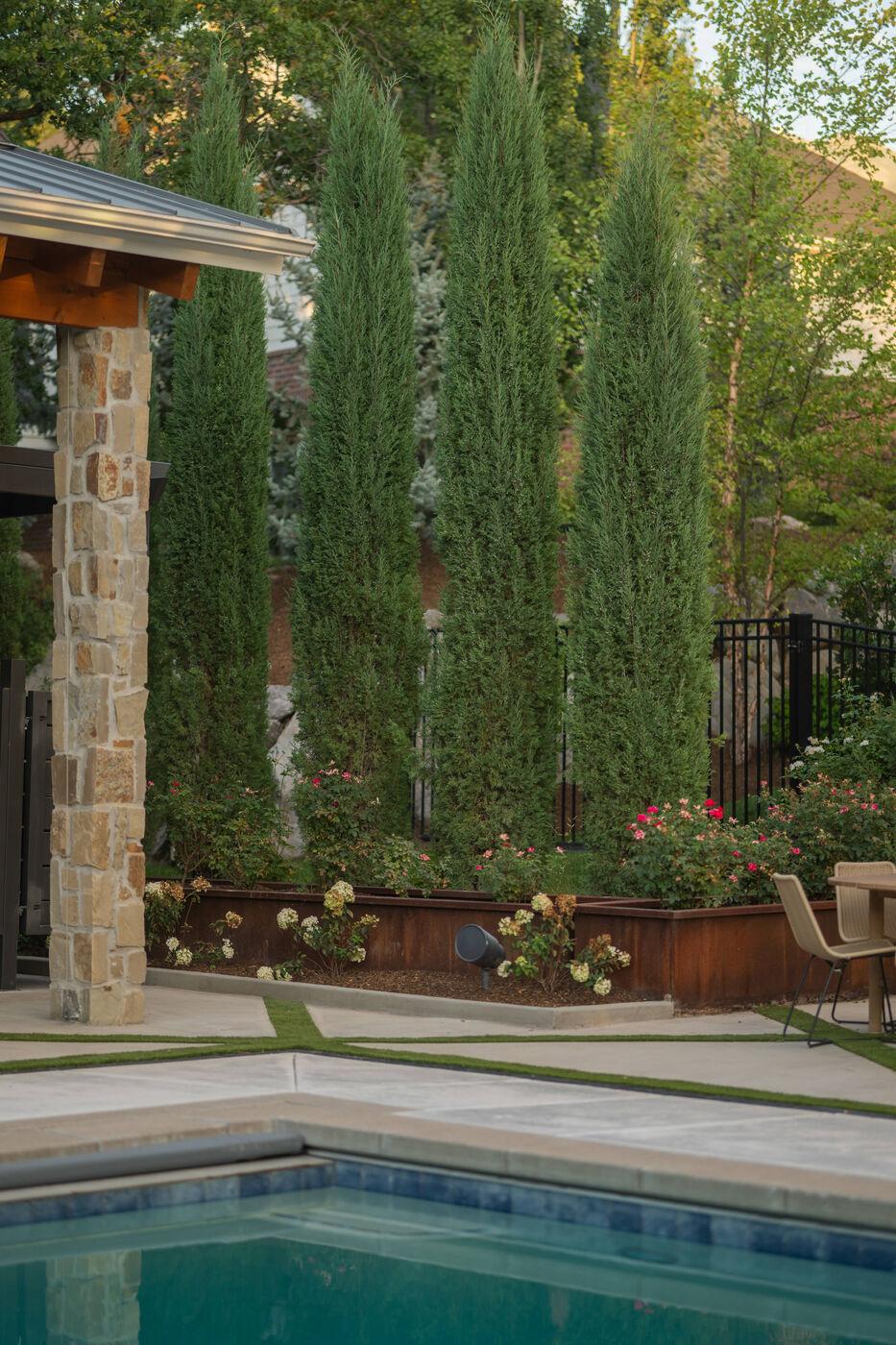
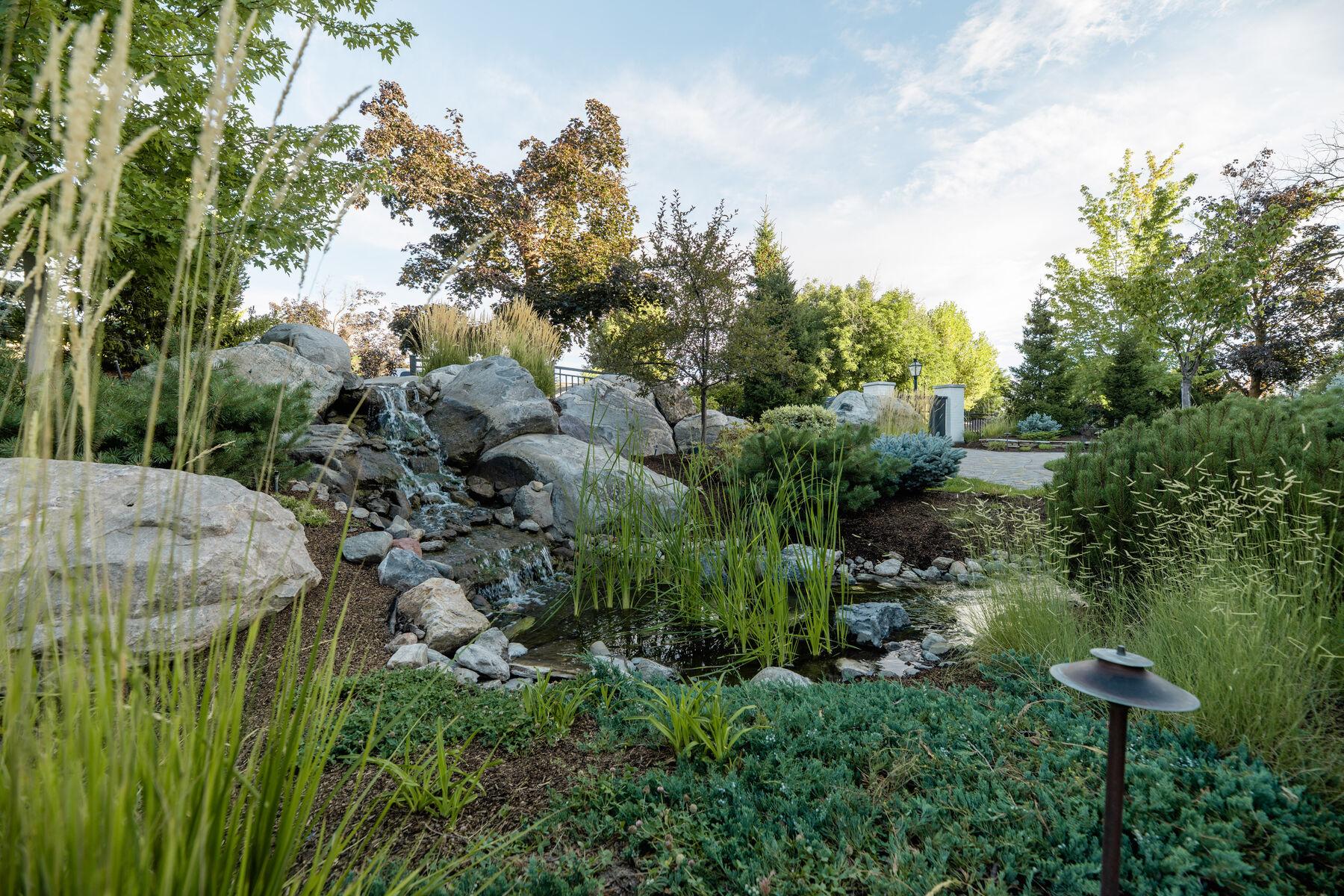
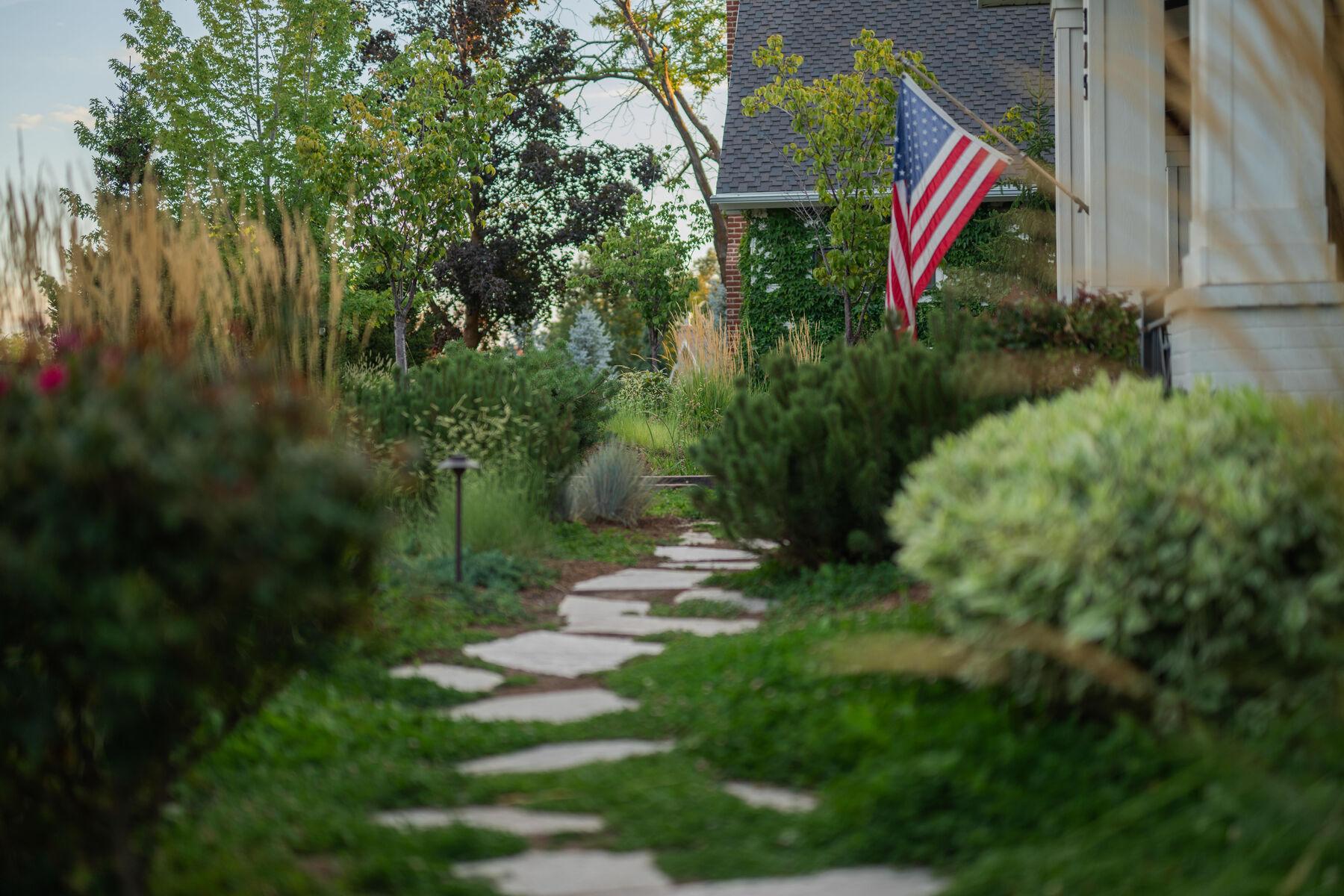
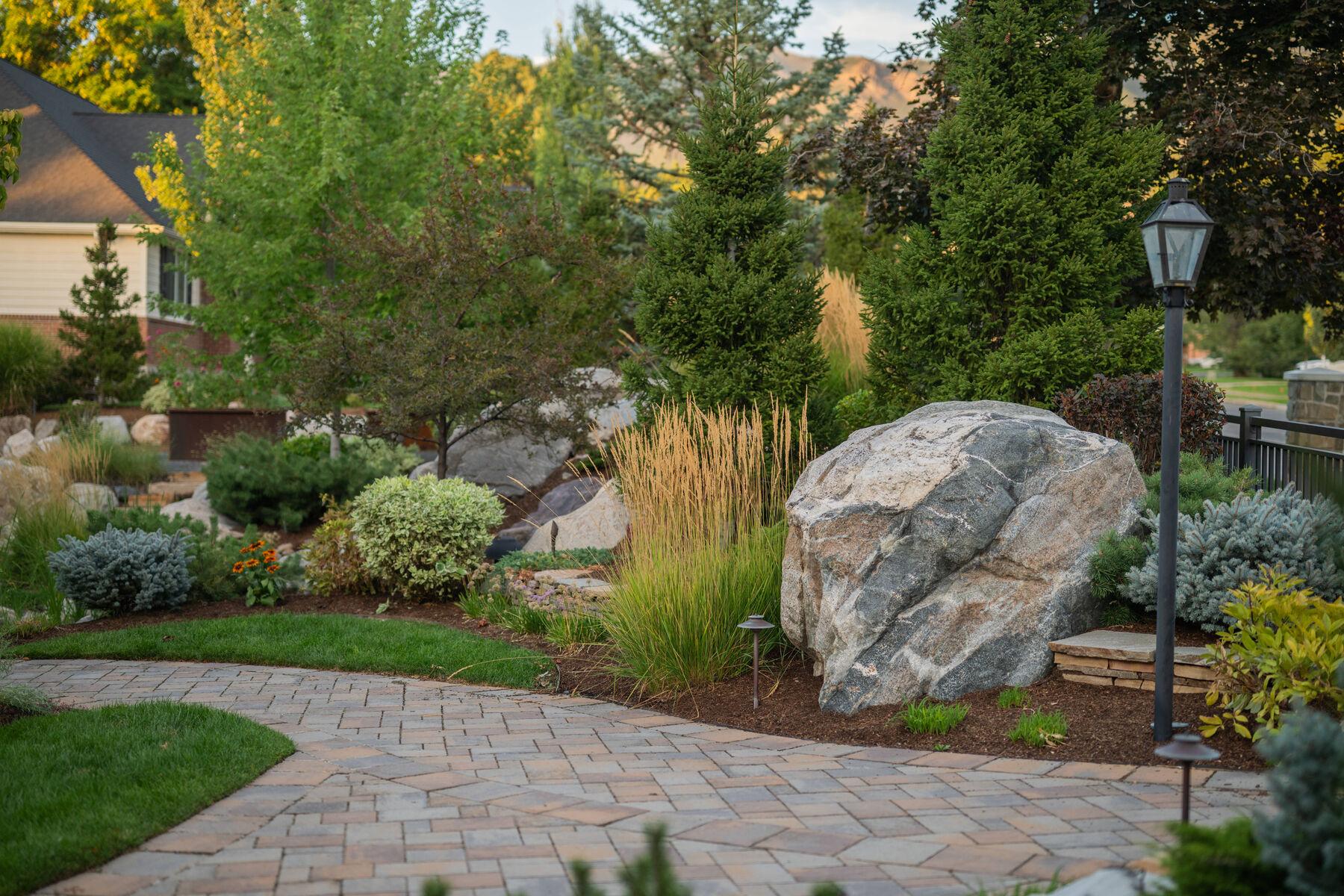
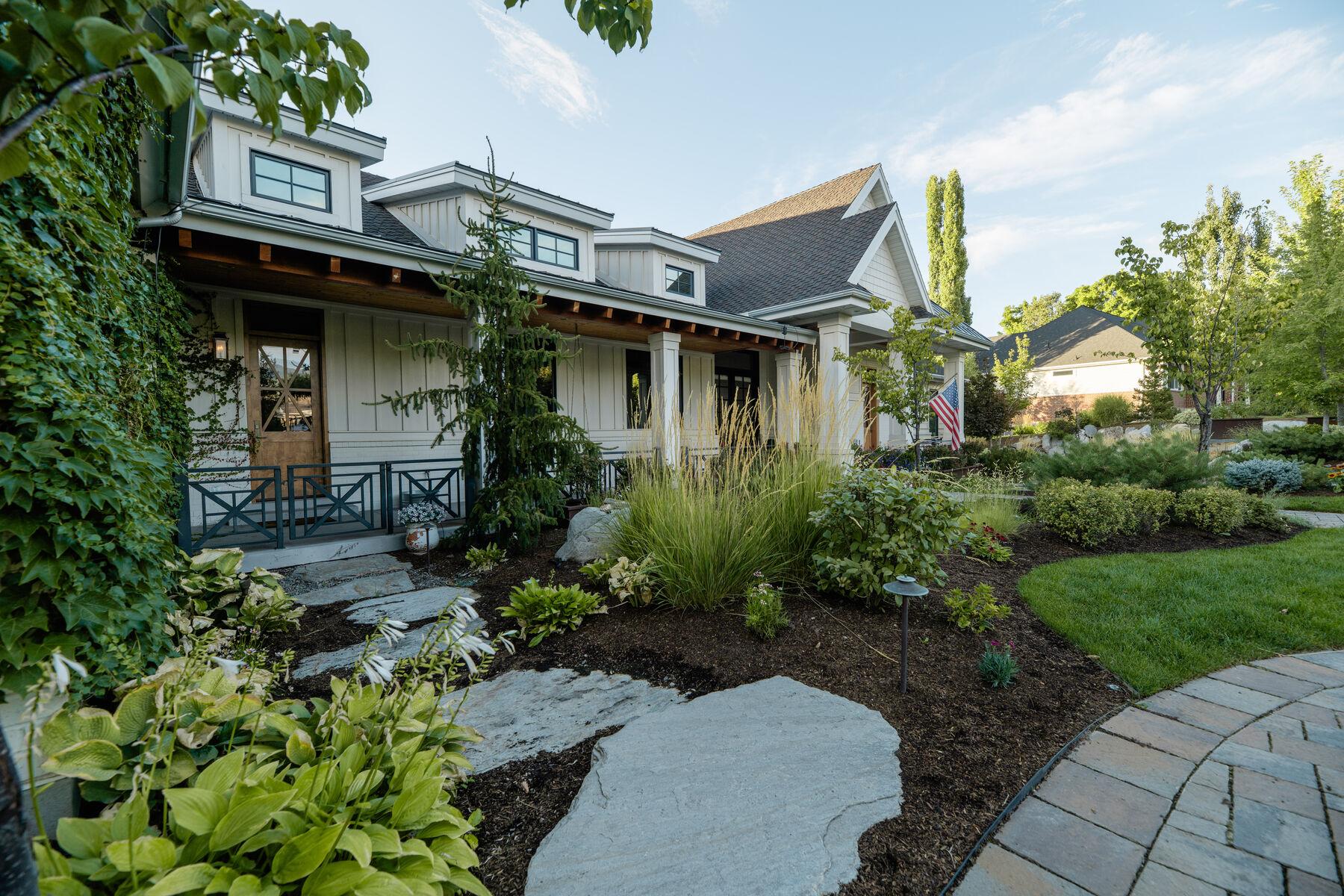
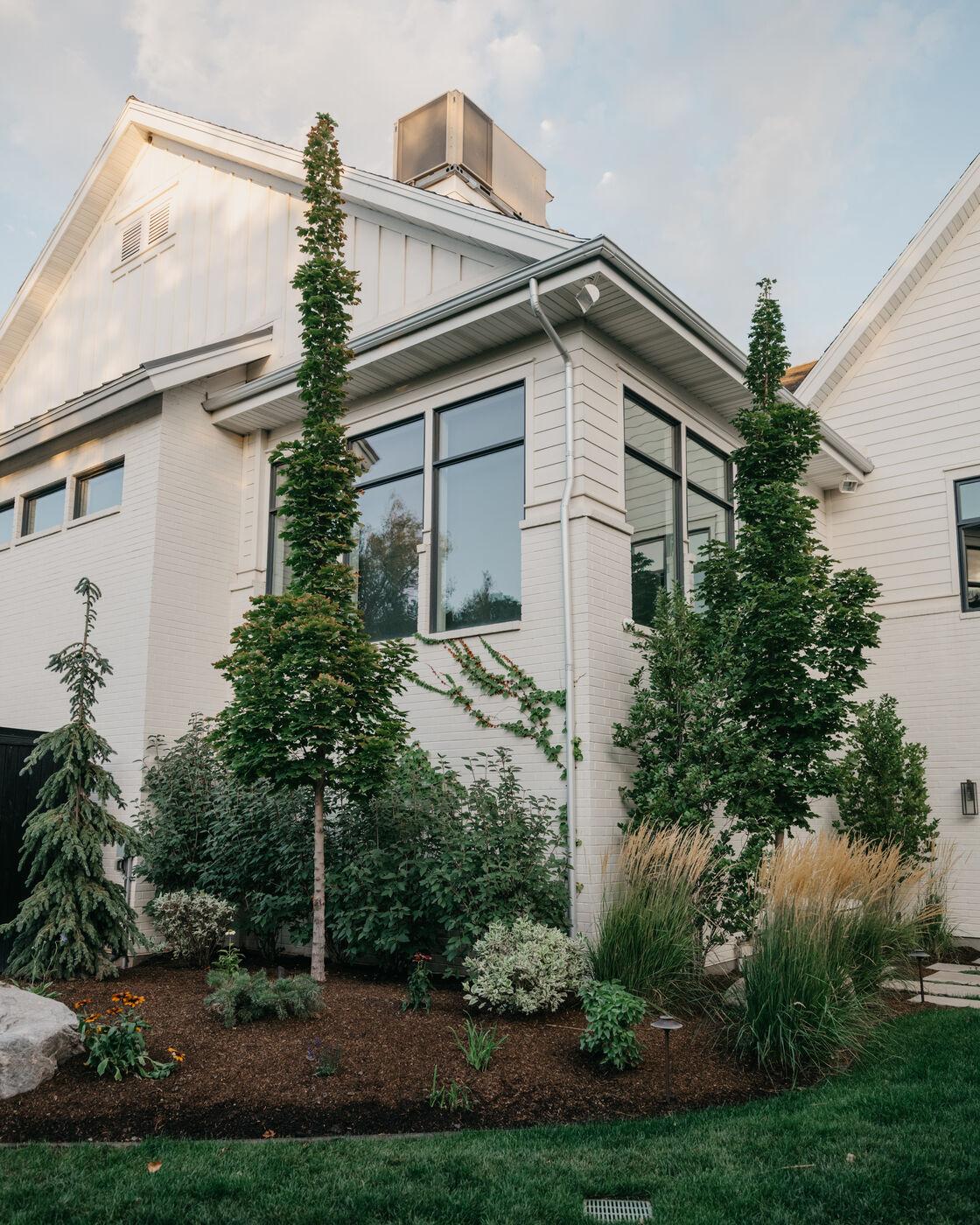
Working within those constraints is not a compromise. Rabbitbrush, blue grama, little bluestem, serviceberry, Gambel oak, big sagebrush, and Rocky Mountain juniper give a garden more texture, more seasonal movement, and more structure through a Utah winter than the palette they replace — and they do it on a fraction of the water.
What Goes Wrong
The failures we are hired to undo.
None of these are unlucky. Each one is a decision made earlier by someone working faster than the ground allowed.
- 01
Planted too deep
The most common way a tree is killed, and the slowest. The root flare has to be visible at finished grade. Buried, it holds moisture against the trunk and the tree declines over years, long after anyone connects it to the planting day.
- 02
The mulch volcano
Mulch mounded against the trunk does the same thing as burying the flare, plus it shelters rodents through the winter. Mulch goes three inches deep and stops short of the bark.
- 03
Amended backfill in a clay hole
Rich amended soil in a hole cut through clay makes a container, not a planting. Roots circle inside it and water collects in it. Backfill with the soil that came out.
- 04
Girdling roots left in the pot shape
Container stock arrives with roots circling the pot. Left uncorrected, they strangle the trunk as it thickens. They have to be cut and teased out at planting.
- 05
One valve for everything
Turf wants frequent shallow water; established shrubs and trees want infrequent deep water. On a shared zone one of them is drowning while the other is thirsty, permanently.
Materials & Method
How we build it instead.
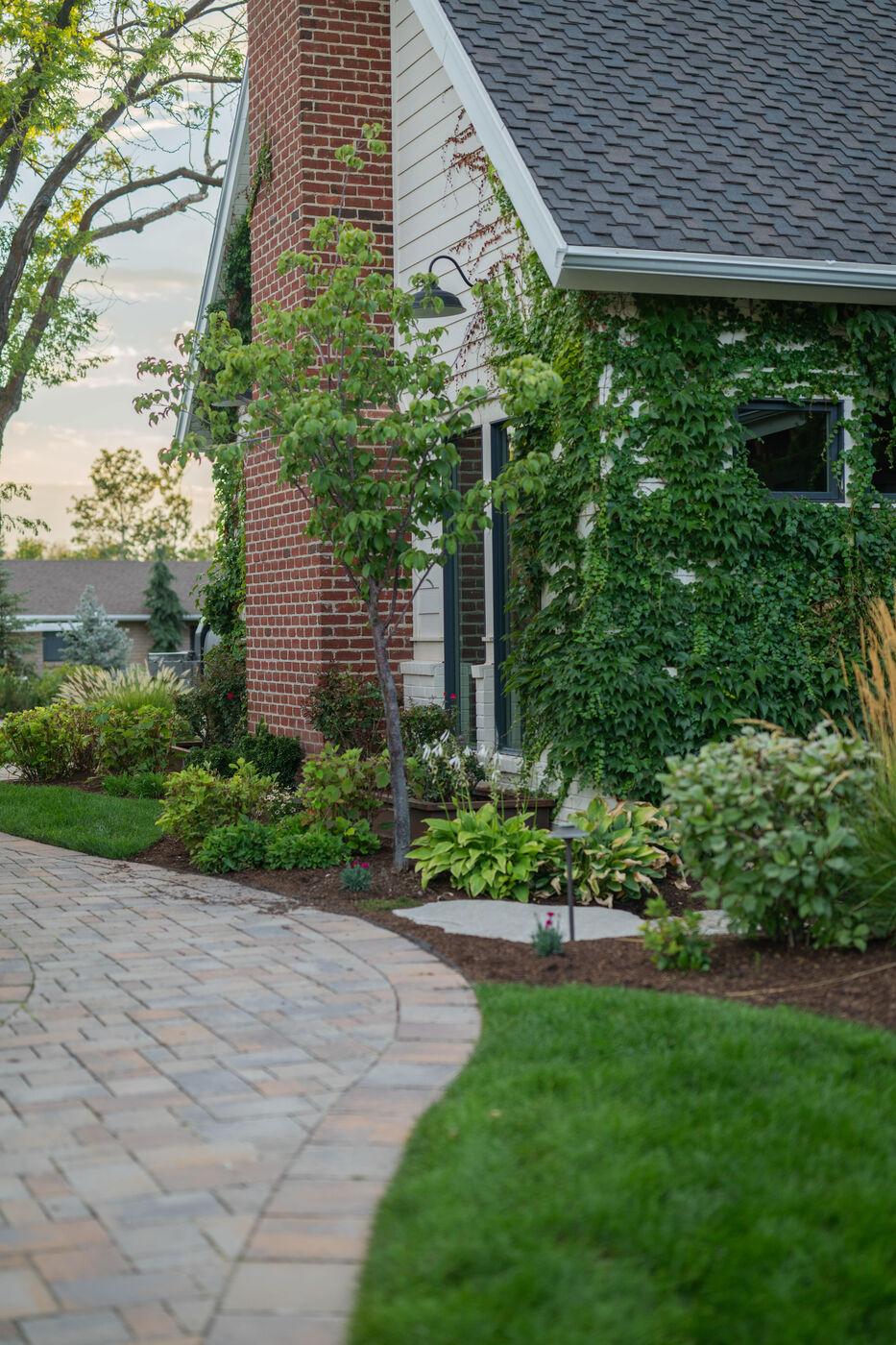
- Soil test first
- pH, texture, and infiltration on the actual site. The palette follows the test rather than the other way round.
- Hydrozoned drip
- Pressure-compensating emitters, zoned by water requirement and exposure, with sizing that accounts for how plants change as they establish. Turf, if there is turf, is on its own valves.
- Wide hole, correct depth
- Two to three times the width of the root ball, no deeper than the root ball itself, sides scarified so roots can leave. Flare at or slightly above grade.
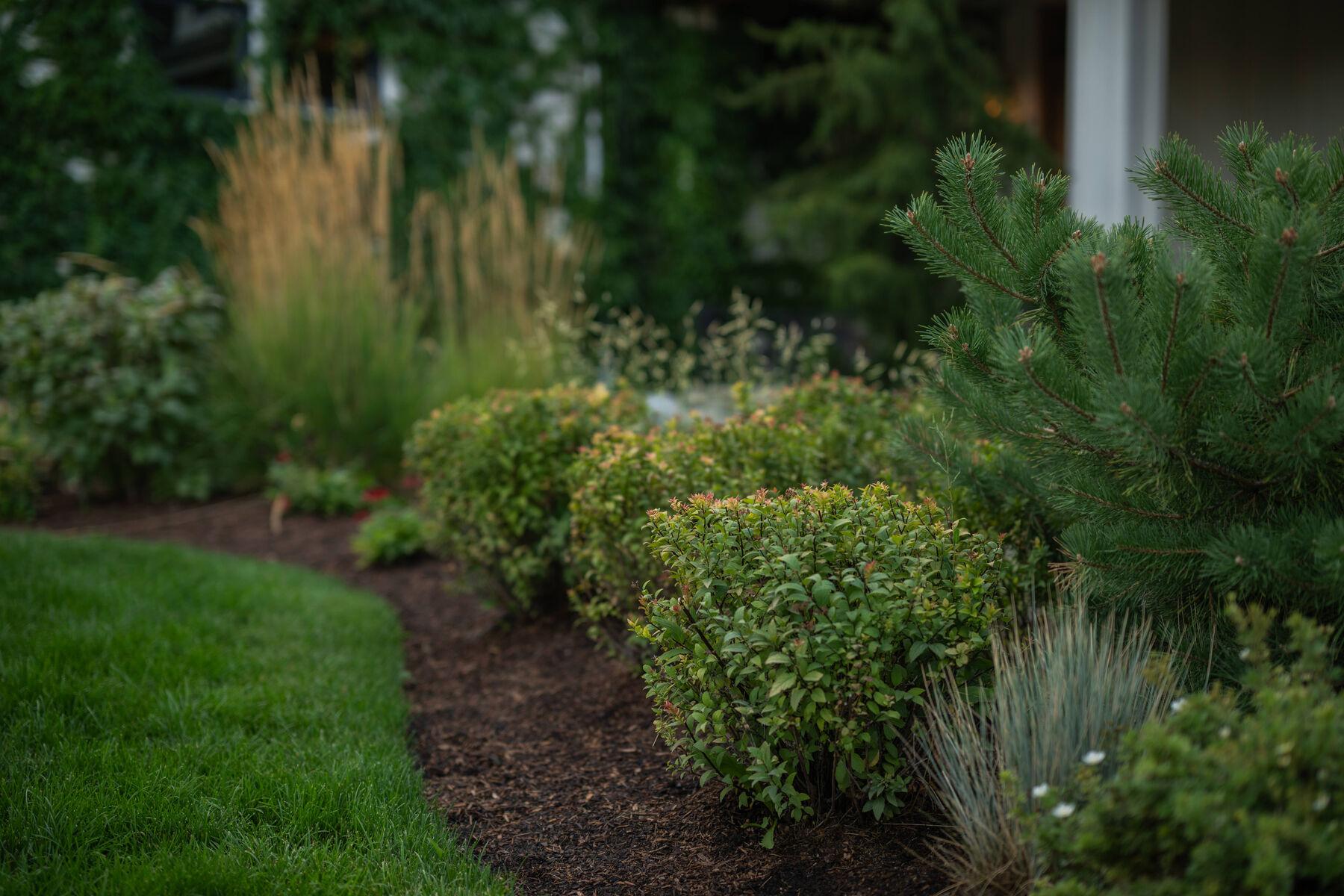
- Three inches of shredded bark
- Held back from trunks and stems. It moderates soil temperature through a Utah summer and holds the moisture that drip lines deliver.
- Staking removed
- Where wind exposure requires staking, it comes off after one season. Left longer, the trunk never develops the taper that lets it stand on its own.
Planting & Gardens
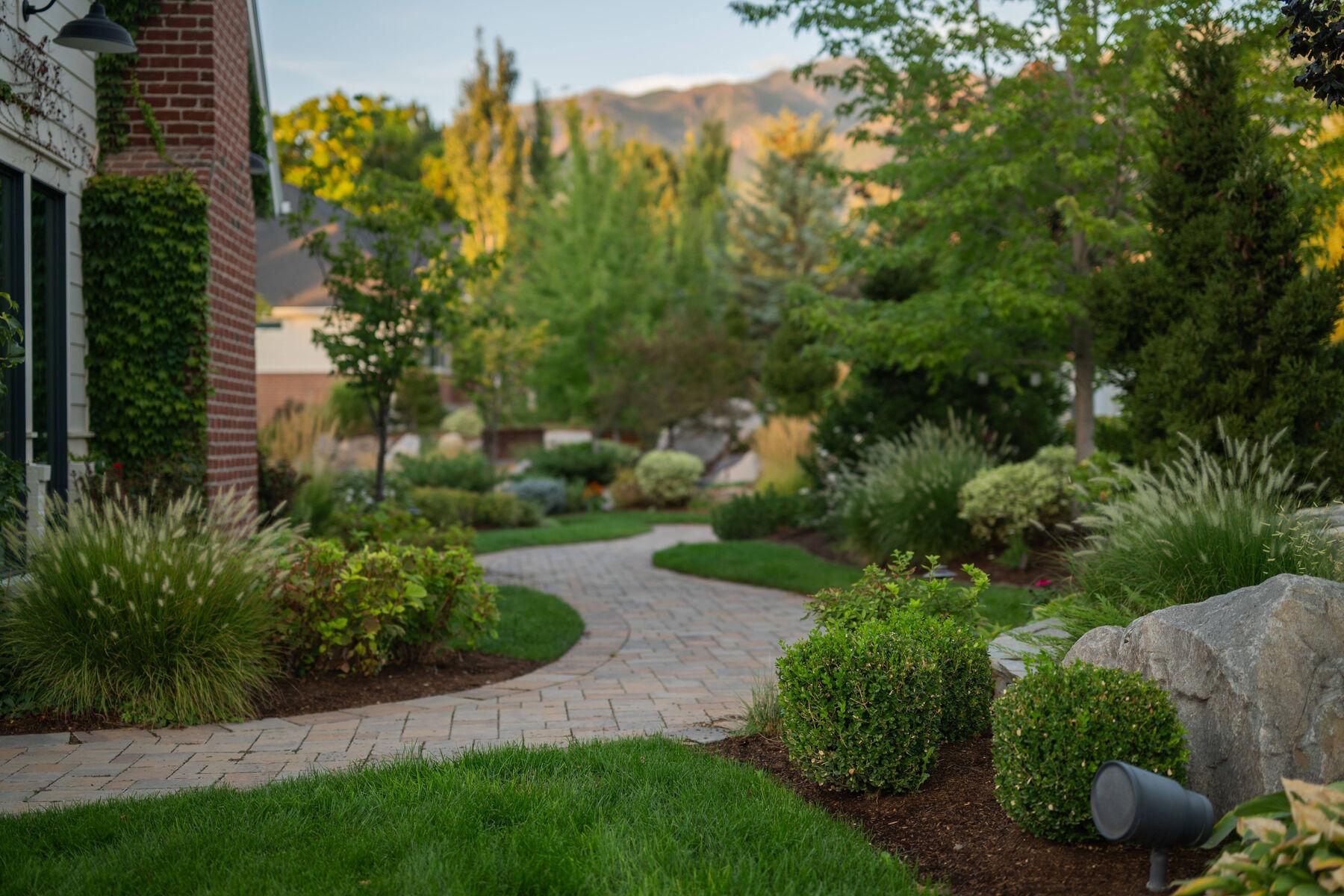
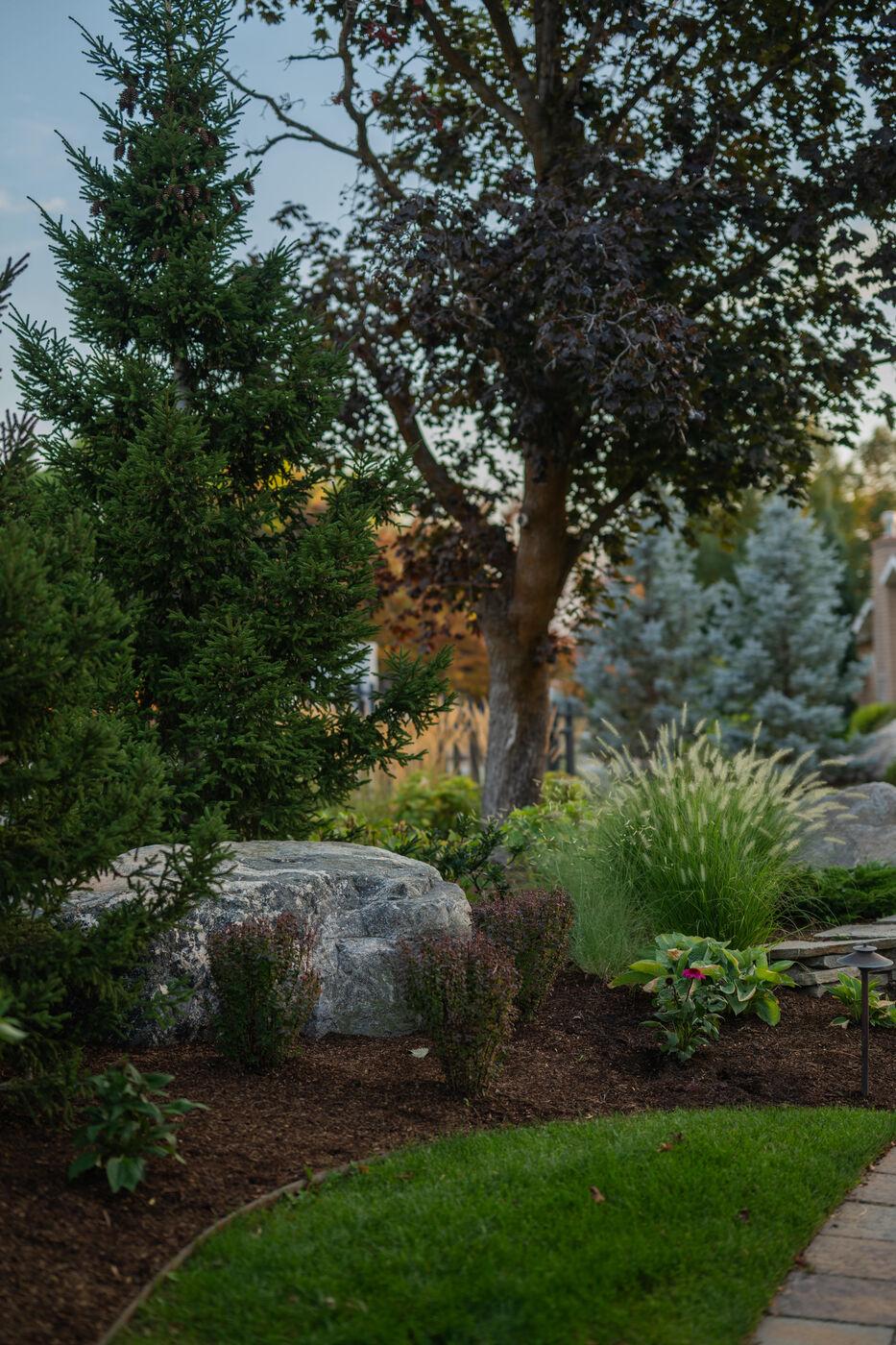
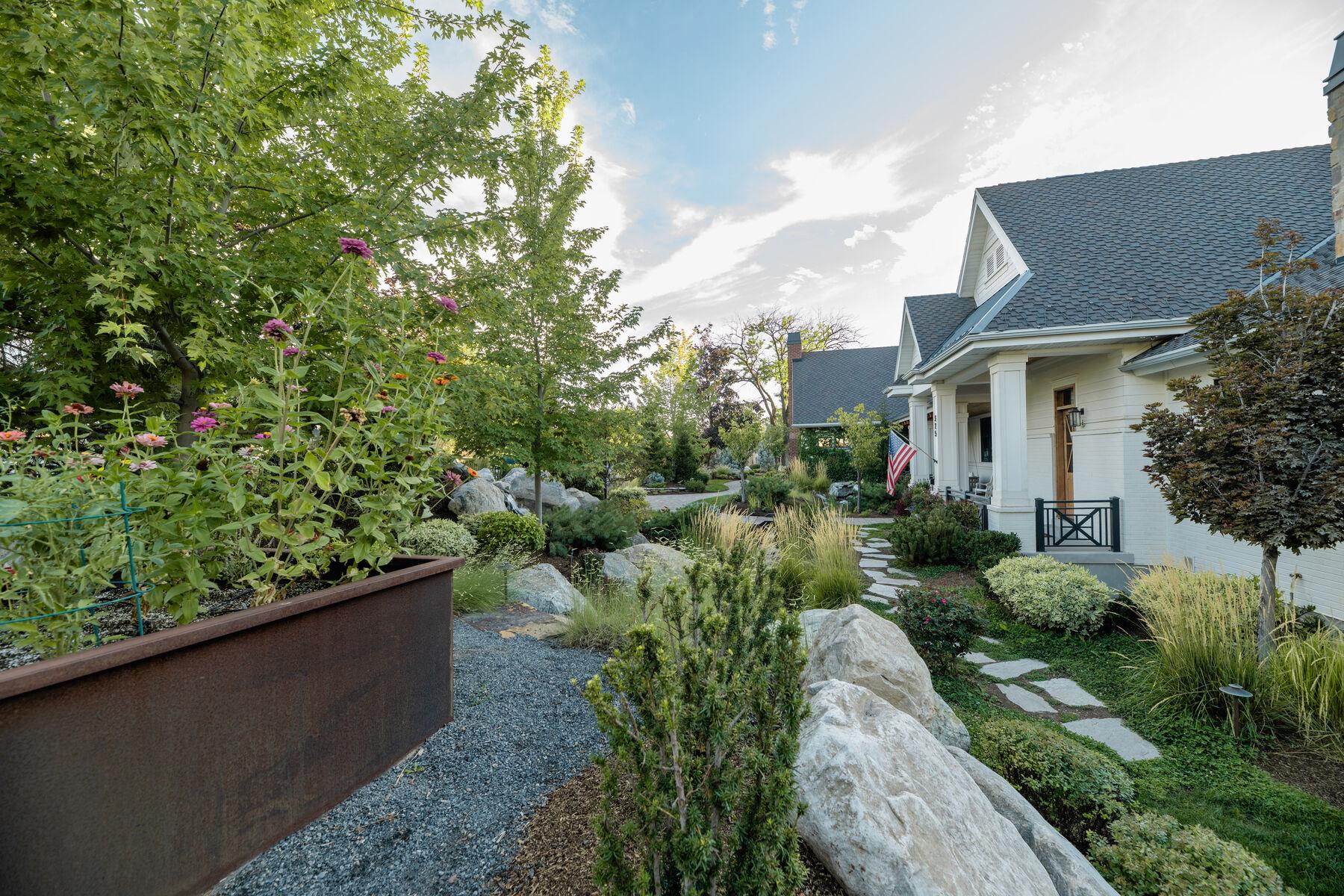
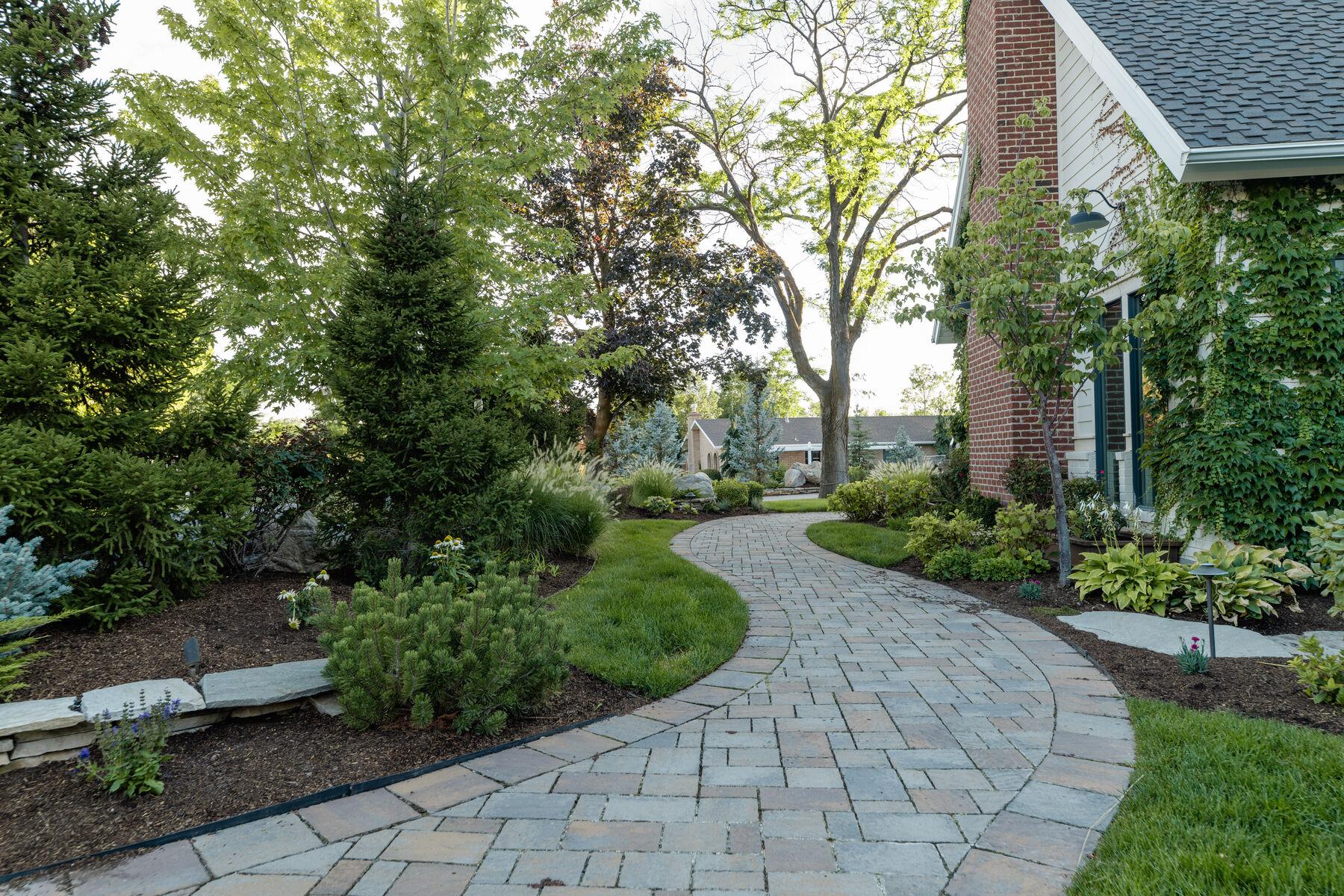
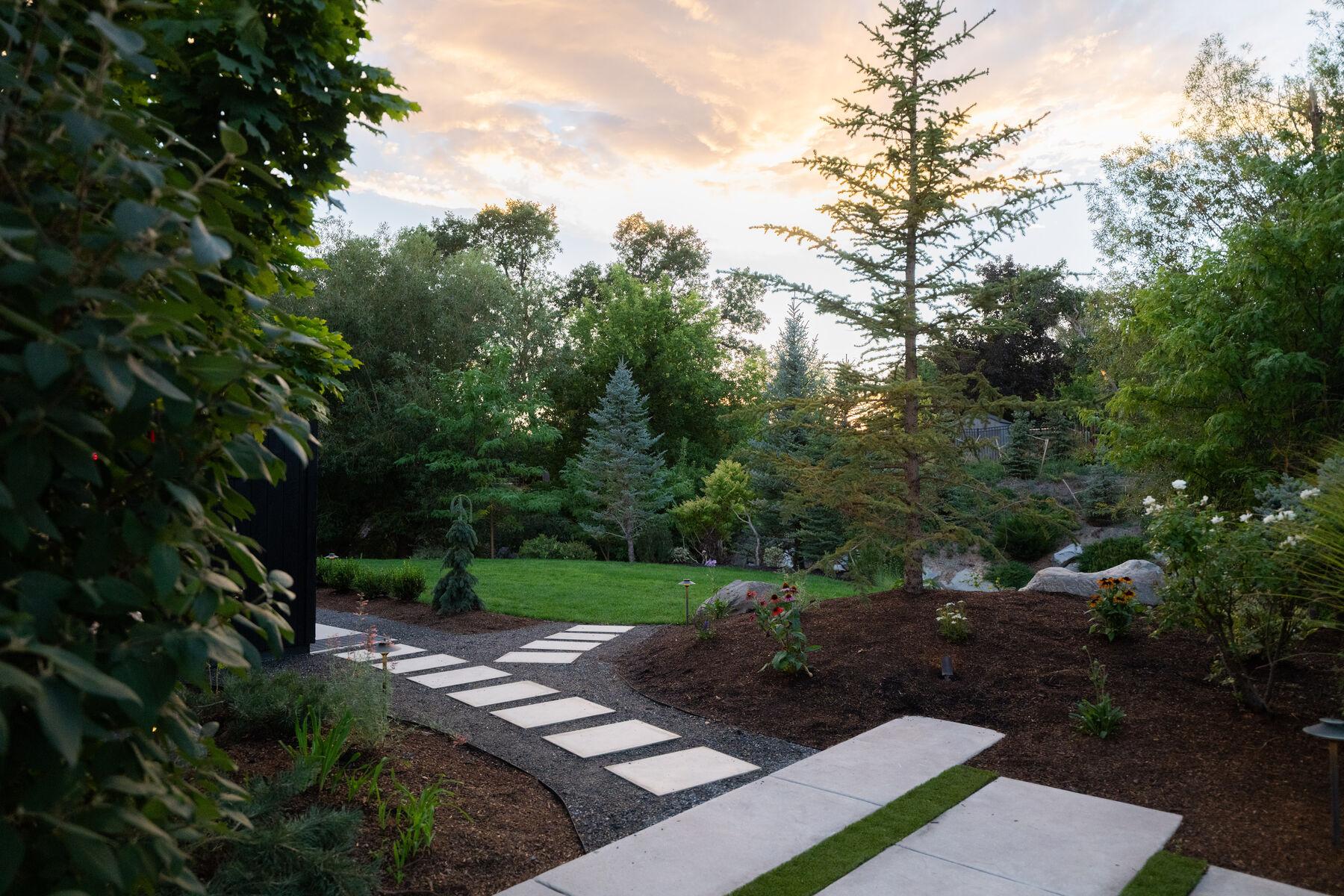
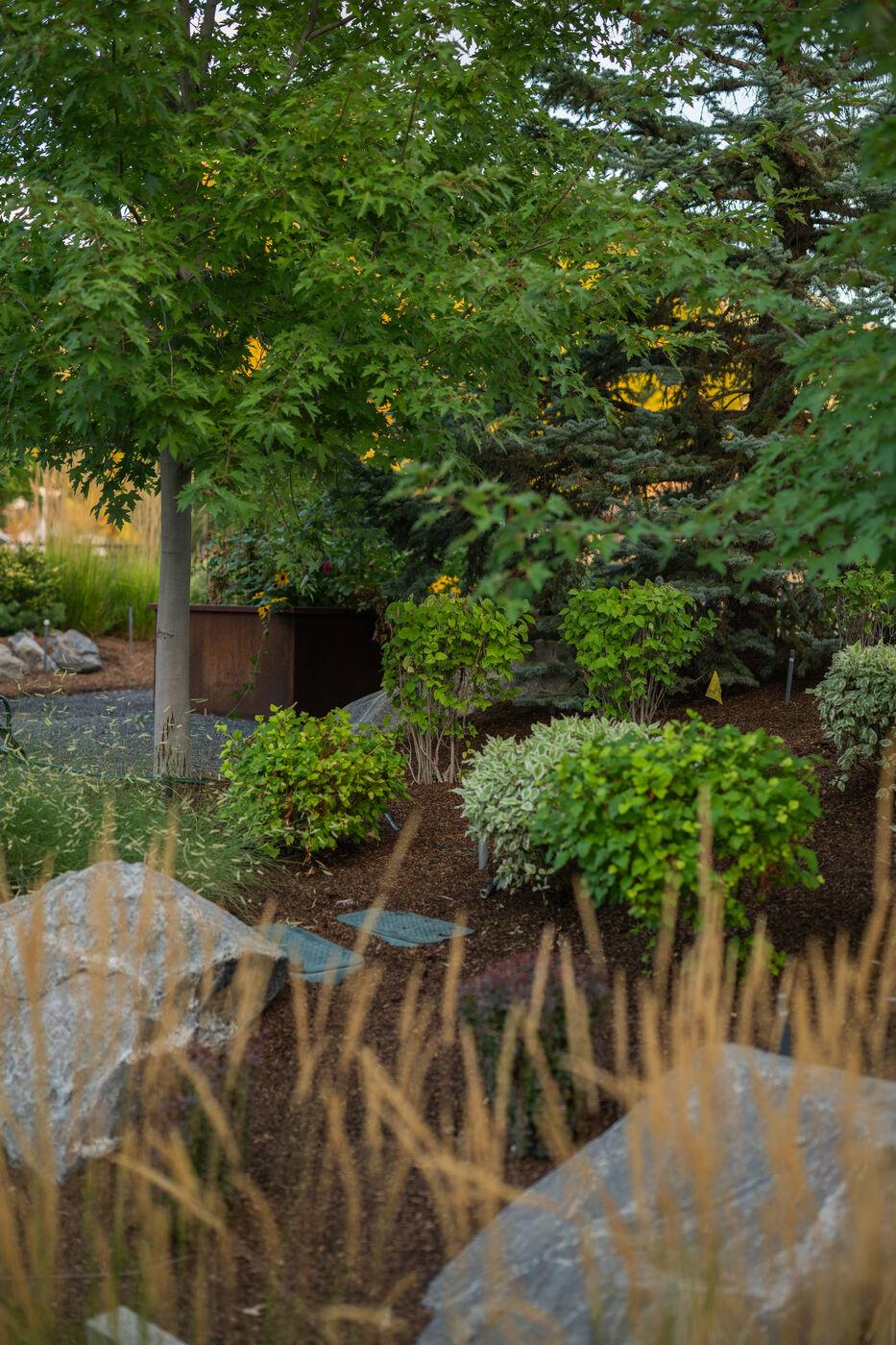
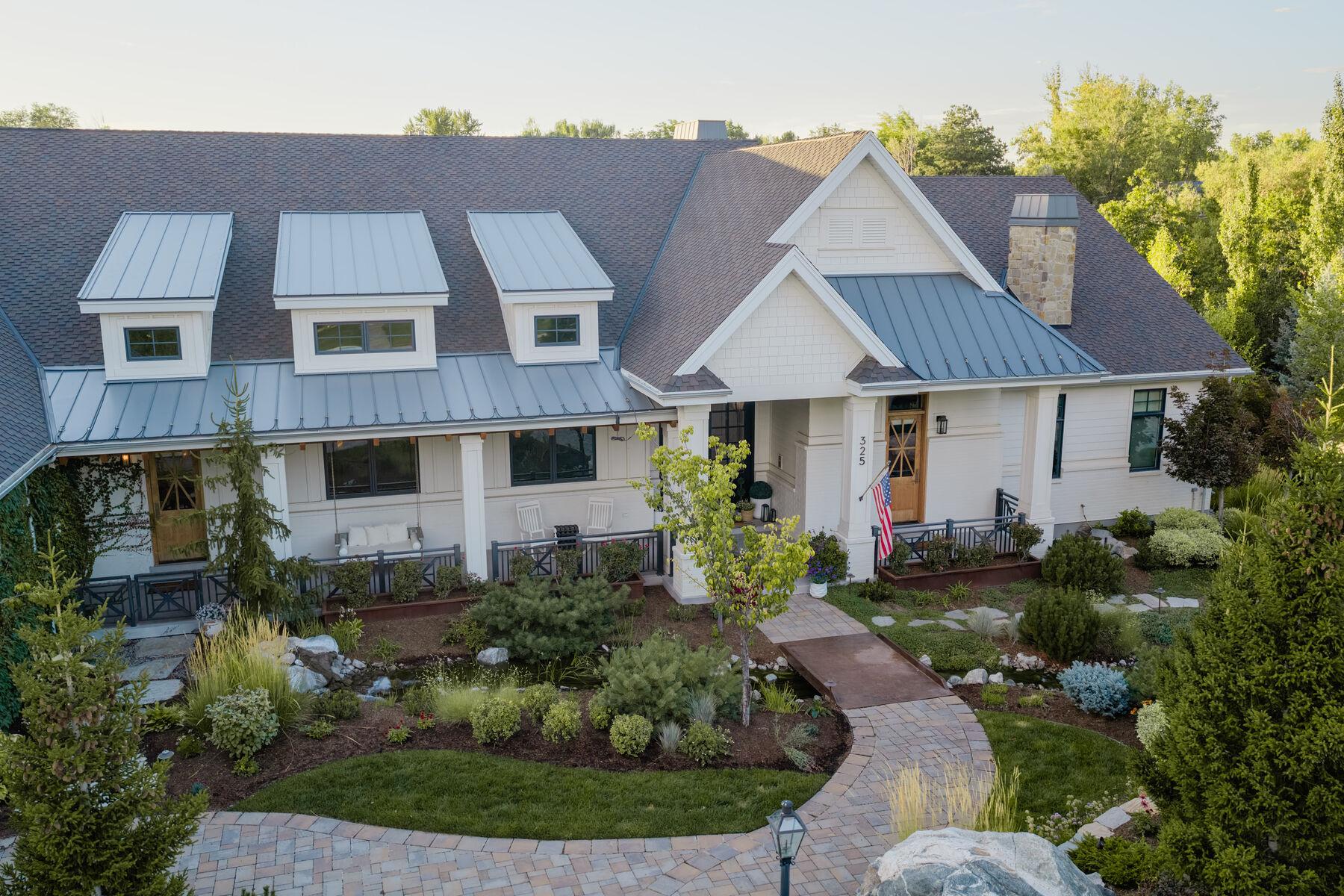
More of it, on real sites.
Common Questions
Planting & Gardens, in practice.
- Why do maples and oaks go yellow between green veins here?
- That is iron chlorosis, and it is a soil-pH problem, not a fertiliser problem. Wasatch Front soils commonly test between pH 7.5 and 8.2, and at that alkalinity iron is present in the soil but chemically unavailable to species that evolved in more acidic ground. The durable answer is species selection made before planting, not a corrective spray after.
- How deep should a tree be planted?
- No deeper than the root ball, with the root flare — where the trunk widens into the roots — visible at or slightly above finished grade. Planting too deep is the most common and slowest way to kill a tree: buried, the flare holds moisture against the trunk and the tree declines over years, long after anyone connects it to the planting day.
- Should the planting hole be backfilled with rich amended soil?
- Not in clay. Rich amended soil in a hole cut through clay makes a container, not a planting — roots circle inside the soft pocket and water collects in it as if it were a pot. We backfill with the native soil that came out, scarify the sides so roots can leave, and dig the hole wide rather than deep.
- Why put shrubs and lawn on separate irrigation zones?
- Because they want opposite things. Turf wants frequent shallow water; established trees and shrubs want infrequent deep water. On a shared valve one of them is always wrong — usually the shrubs are drowning while the lawn is merely damp. Hydrozoned drip, zoned by water need and exposure, lets each get what it actually requires.
- Can a waterwise palette still look full and green?
- Yes — often more so. Species adapted to this climate, such as rabbitbrush, serviceberry, blue grama, little bluestem, and Gambel oak, give a garden more texture, more seasonal movement, and more winter structure than the thirsty palette they replace, on a fraction of the water. Waterwise is the richer garden, not the browner one.
Tell us about the ground.
A few questions about the site, the scope, and the budget you have in mind — then a conversation with the person who would actually run the job.
The Other Five
- Grading & DrainageWhere every yard is won or lost. Water moves first; everything else follows.
- Retaining WallsEngineered walls with drainage behind them, built to hold a hillside for decades.
- Patios & HardscapeStone set on a compacted base, jointed to survive freeze and thaw.
- Pools & SurroundsThe deck, coping, and drainage around water — the part of a pool you actually stand on.
- Landscape LightingLow-voltage lighting laid out for the evenings you actually use the yard.
- Water FeaturesBasins, spillways, and quiet water — plumbed and sealed to run without babysitting.