Landscaping in Fruit Heights, Utah
The high ground the orchards chose.
Fruit Heights is the highest city in Davis County, named for the cherry and peach orchards that early settlers planted on its foothill benches. The orchards are mostly gone to houses now, but the conditions that grew them — good drainage, elevation, and the deer that come with the wildland edge — still set the terms of every project.
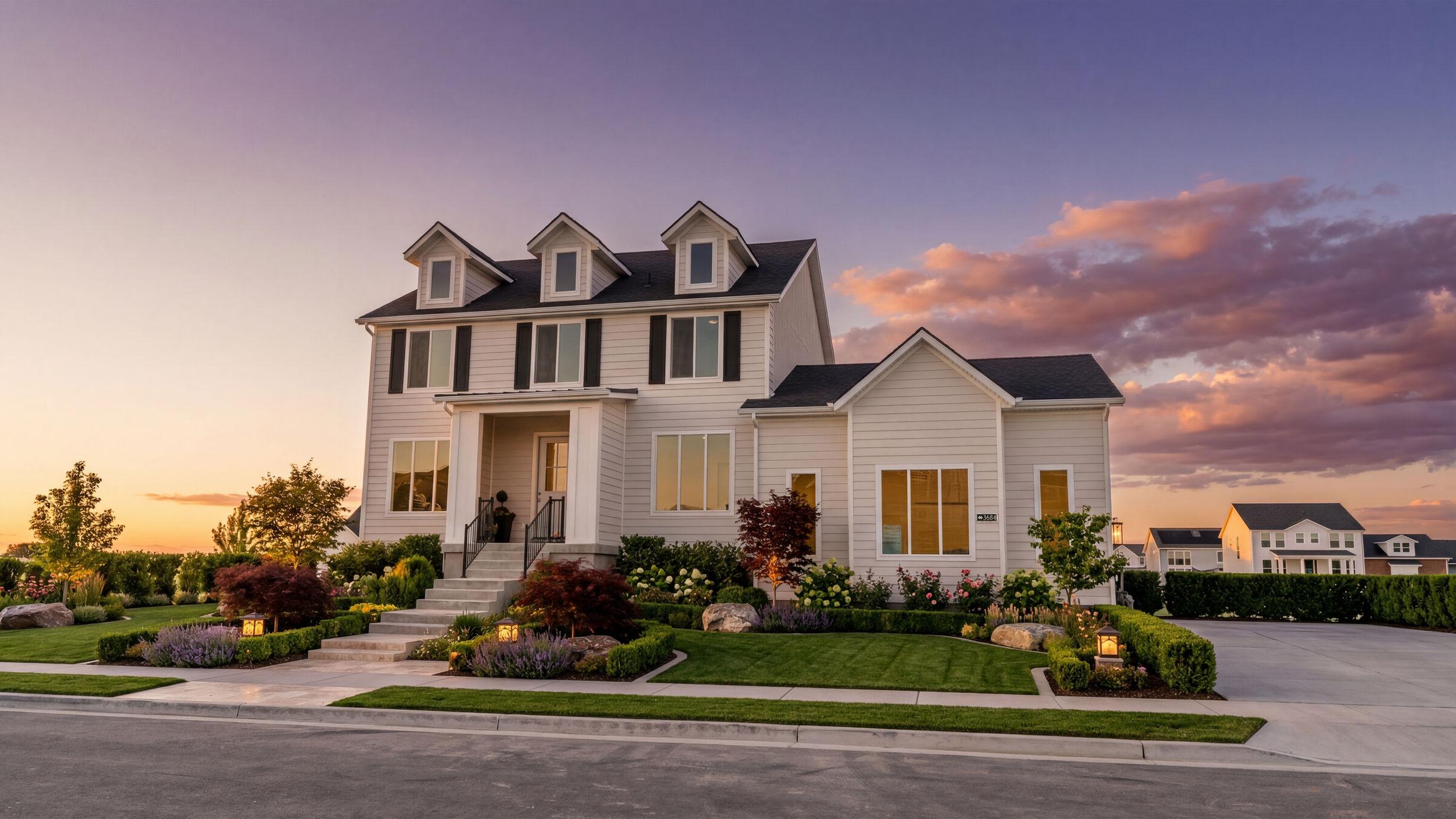
The Ground in Fruit Heights
What this site is going to ask for.
Elevation
4,700 ft
- Climate
- At roughly 4,700 feet, Fruit Heights runs cooler and a touch later into spring than the cities below it, with a marginally shorter season and foothill exposure that the valley floor is sheltered from. The elevation and slope that made the ground good for fruit also make it good for a wide planting palette, provided the frost calendar is read to the site. Nights cool off hard against the mountain, and the upper lots take more wind than their neighbors downhill.
- Soil
- This is the growing ground of the county — well-drained foothill bench along the Haight Creek and Baer Canyon fans, loam over Bonneville gravel, the soil that carried orchards for a century. It drains where the western clay flats cannot, which widens what will grow, but the same coarse fan material excavates unevenly and turns up rock on the steeper upper lots. Backfill is the soil that came out of the hole, not an amended pocket that becomes a bathtub.
- Terrain
- Foothill lots sitting above the valley floor — larger, often wooded parcels along Nicholls Road and Mountain Road that back onto open foothill and the Bonneville Shoreline Trail. Many still carry the descendants of the original orchard trees. The grade is gentler than the Centerville bench but real, and the higher, steeper parcels want terracing and drainage worked out before the planting is drawn.
- Local
- Weber Basin supplies culinary water; landscape irrigation runs on pressurized secondary from the Haight's Creek system. Fruit Heights City reviews site plans, and the defining constraint is not a code — it is the deer. Sitting at the wildland interface, these neighborhoods take heavy mule-deer browse year round, and a palette chosen without that in mind is a palette chosen twice. Foothill runoff off Baer Canyon and Haight Creek is the second design input.
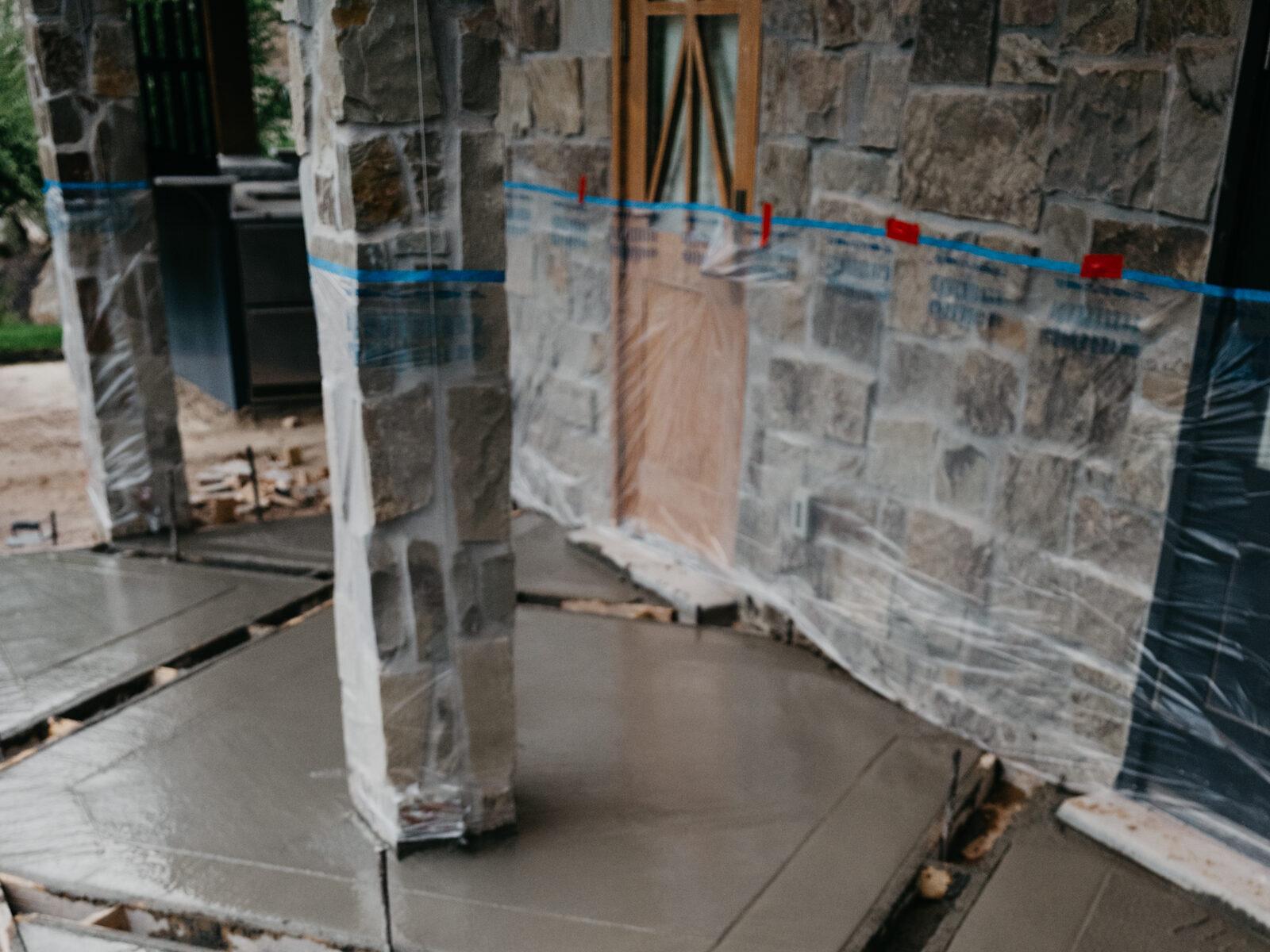
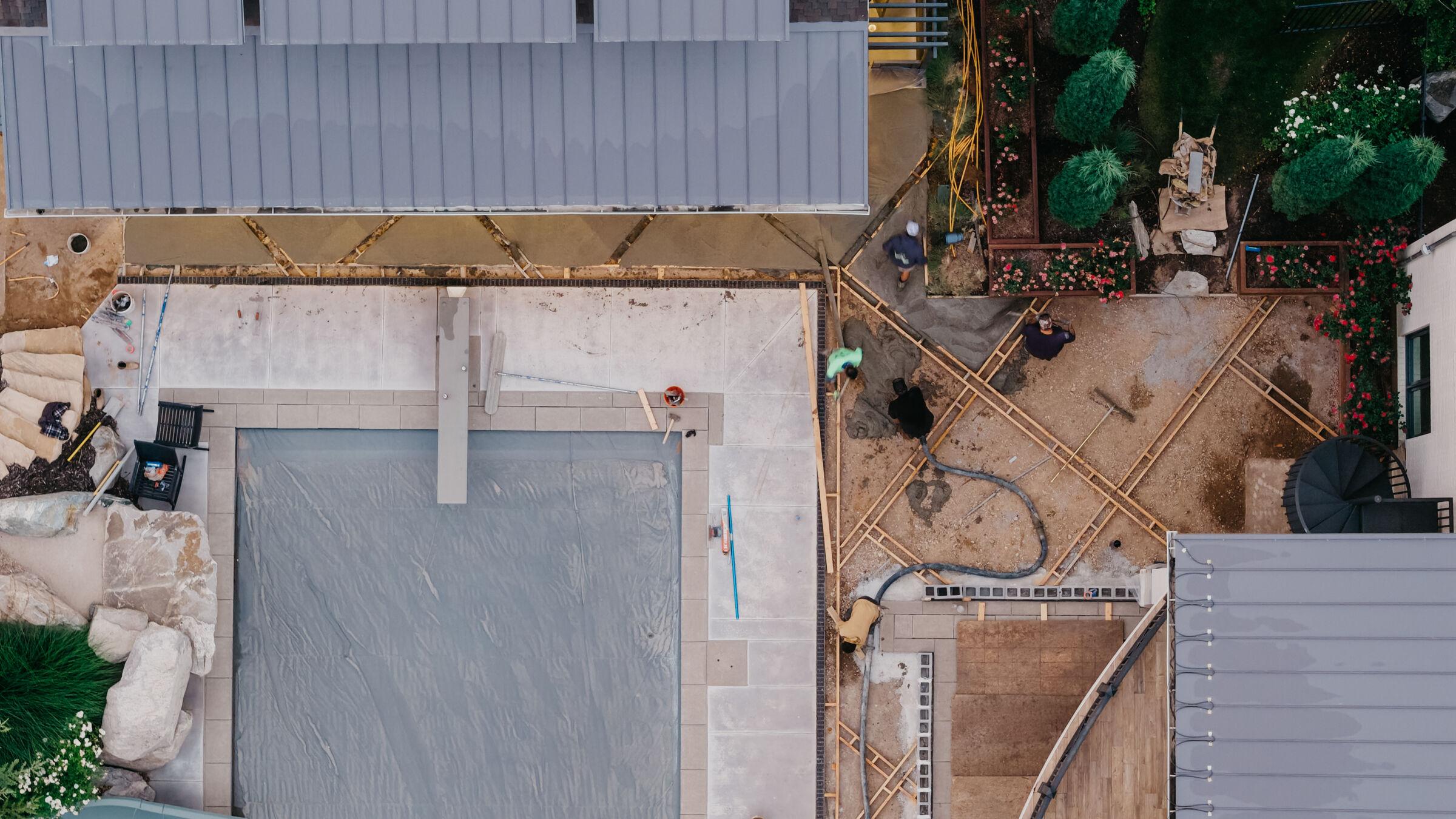
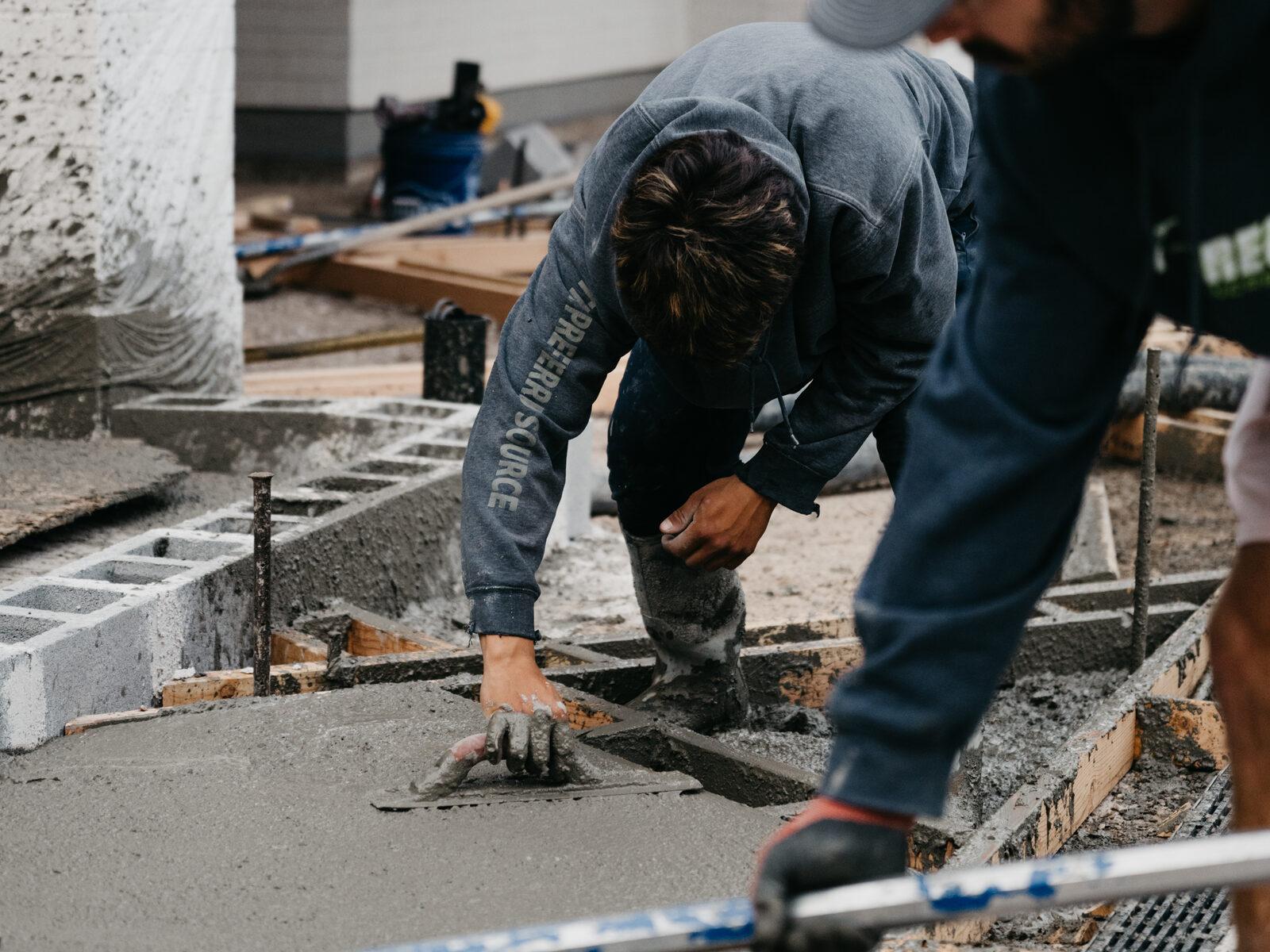
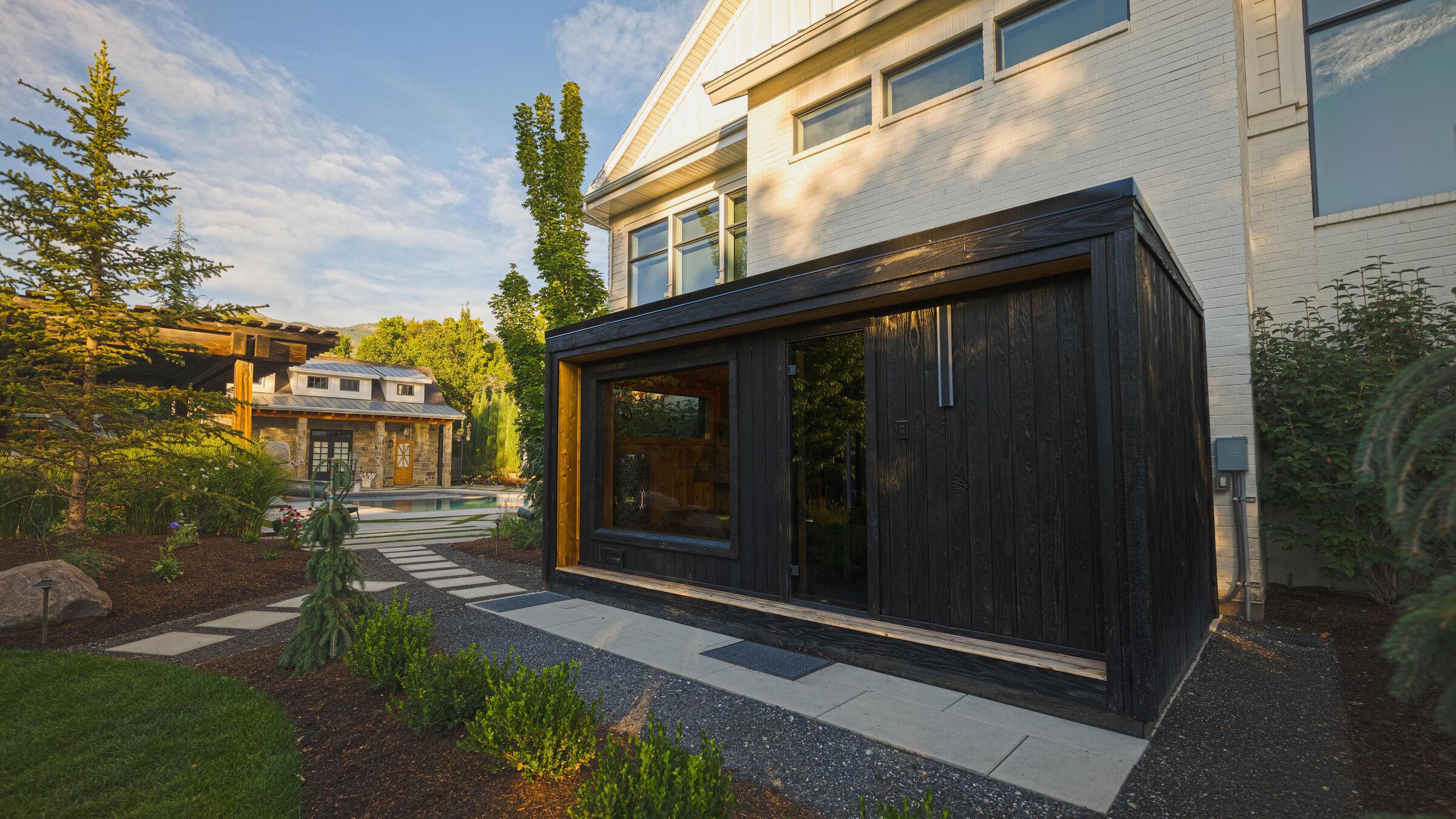
Where in Fruit Heights
We build across the whole city.
From bare-ground new builds to established gardens being rebuilt, across these Fruit Heights neighborhoods and the streets around them.
- Nicholls Road foothills
- Mountain Road
- Green Road
- Davis Boulevard corridor
- Kays Creek bench
Near Nicholls Park, Baer Canyon, Haight Creek, Cherry orchard heritage.
What We Build in Fruit Heights
Seven disciplines, one crew, sequenced to this ground.
Every Fruit Heights project starts with grading and drainage, then runs through retaining walls, hardscape, planting, lighting, and water. In Fruit Heights that often means a waterwise approach from the first drawing.
Common Questions
Landscaping in Fruit Heights.
- We back onto the foothills and the deer are relentless. Can a landscape still look designed?
- Yes — it just starts from the browse. We build the palette around the plants deer consistently leave alone, use texture and structure rather than the flowers they graze, and place anything vulnerable where it is least exposed. Fencing and habit do the rest. The result reads as a considered garden, not a defensive one.
- Our lot was part of an old orchard. Does that help or hurt the planting?
- Mostly it helps — orchard ground is here because it drains, which is exactly what the western clay flats lack. We test the actual soil and plant to it, keep the root flare at grade, and backfill with native soil rather than a rich pocket. Where old trees remain, we protect their root zones and design around them.
- Being the highest city in the county, is the season shorter?
- Slightly. The extra elevation brings cooler nights, a later last frost, and a marginally shorter window than the cities below, so the planting calendar is set to the site rather than to a county average. It is a difference of days, not weeks, and it widens rather than narrows what the well-drained ground will carry.
- Do you work year-round in Fruit Heights?
- Our crews run year-round. Installation concentrates in the April-to-October window when the ground is workable, while design, site reading, and scheduling carry on through the winter — which is the best time to get a spring start held.
- Do you handle permits and HOA approval?
- We prepare what the local building department and, where one exists, the HOA architectural committee need — grading and drainage details, wall sections, and material specifications. Requirements differ by jurisdiction, so we confirm them for your address before design is finalised.
Also in Davis County
Other areas we serve
Tell us about the site in Fruit Heights.
Where the lot sits, what the grade does, and what you want out of it. We'll tell you what the ground is going to ask for before anyone talks about a design.
Start a Project