Landscaping in Holladay, Utah
Large lots, old trees, and two creeks.
Holladay is the most established ground in the valley and the least disturbed: deep lots under a canopy that predates the current owners, with Big and Little Cottonwood creeks threading the neighborhoods on their way down from the canyons. The work here is renovation within a mature landscape, not construction on a bare one.
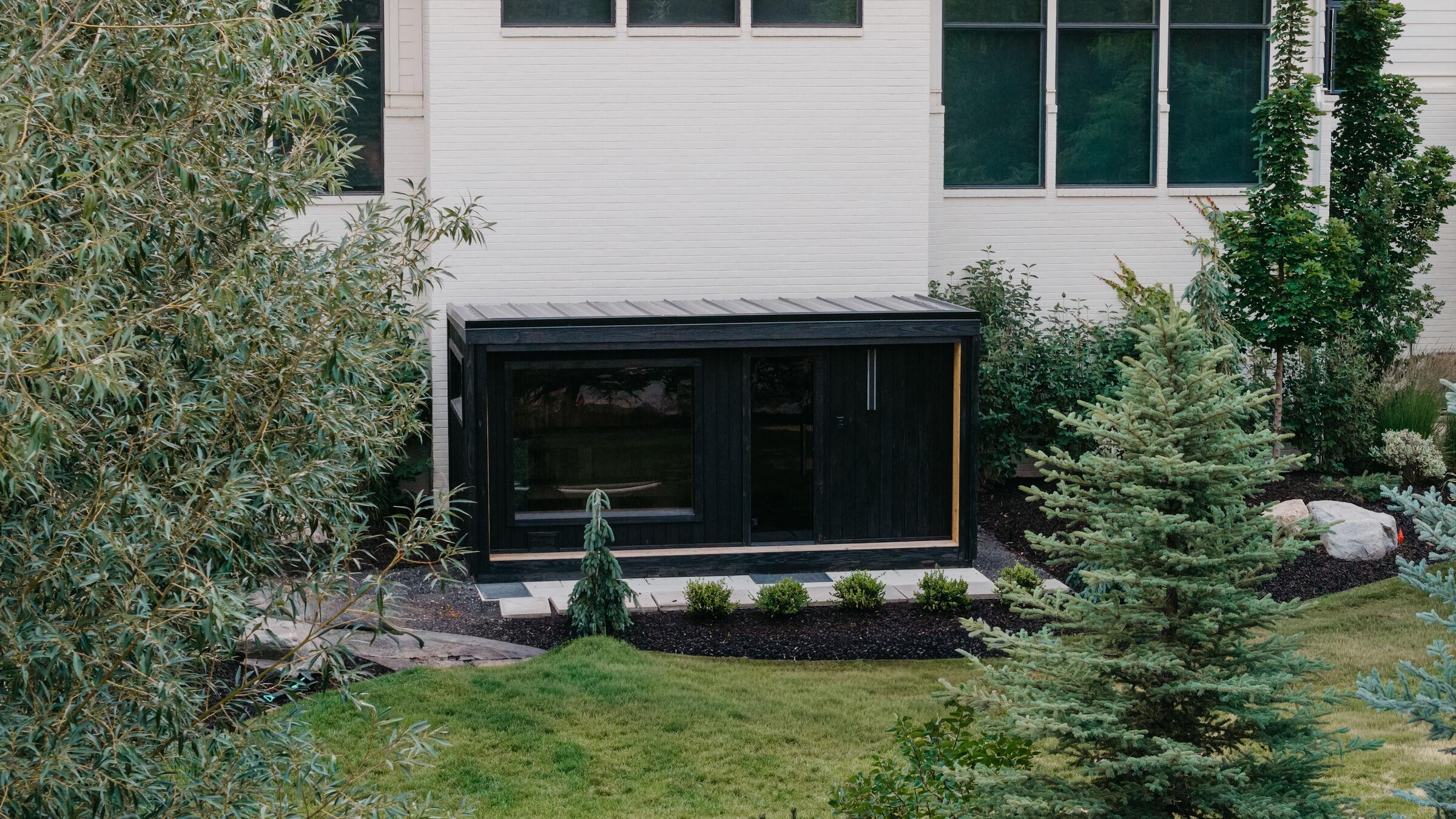
The Ground in Holladay
What this site is going to ask for.
Elevation
4,465 ft
- Climate
- At roughly 4,465 feet the town sits low on the east bench, and its mature canopy does much of the work the elevation does not — shading soil, slowing wind, and holding a settled microclimate under the tree line. Cold air drains out of the Big Cottonwood canyon mouth on clear nights and pools along the creek corridors, so the low, creek-adjacent gardens run a few degrees colder and hold frost later into spring than the open lots a block uphill.
- Soil
- The ground is Cottonwood alluvium — gravel, cobble, and rounded quartzite and granite carried out of the two canyons and dropped across the fan. Dig a footing near Big or Little Cottonwood Creek and you are into washed cobble within a spade's depth; the finer bench material only takes over as the land settles west toward the valley floor. Decades of top-dressing have built garden soil over that cobble on the older lots, which reads as good ground until an excavation reaches the stone underneath it.
- Terrain
- These are the largest residential lots we work on — deep, gently graded, and screened from the street by planting that has had fifty years to fill in. Walker Lane and the streets off Holladay Boulevard run to half-acre and larger parcels with mature specimen trees standing exactly where a machine would want to go. The constraint is rarely space; it is working a full-sized landscape around a canopy and a root system that cannot be moved or replaced within a client's lifetime.
- Local
- Water here is a patchwork: Salt Lake City Public Utilities serves some blocks and a local water company others, and which one a property falls under changes what an irrigation redesign has to answer to. Lots backing onto Big or Little Cottonwood Creek carry riparian setbacks, bank-stability concerns, and floodplain limits the rest of the town never encounters, and any grading near the bank is reviewed on those terms. Holladay carries no citywide historic-district overlay, so the governing constraints are physical — the trees, the creeks, and the water provider — rather than architectural review.
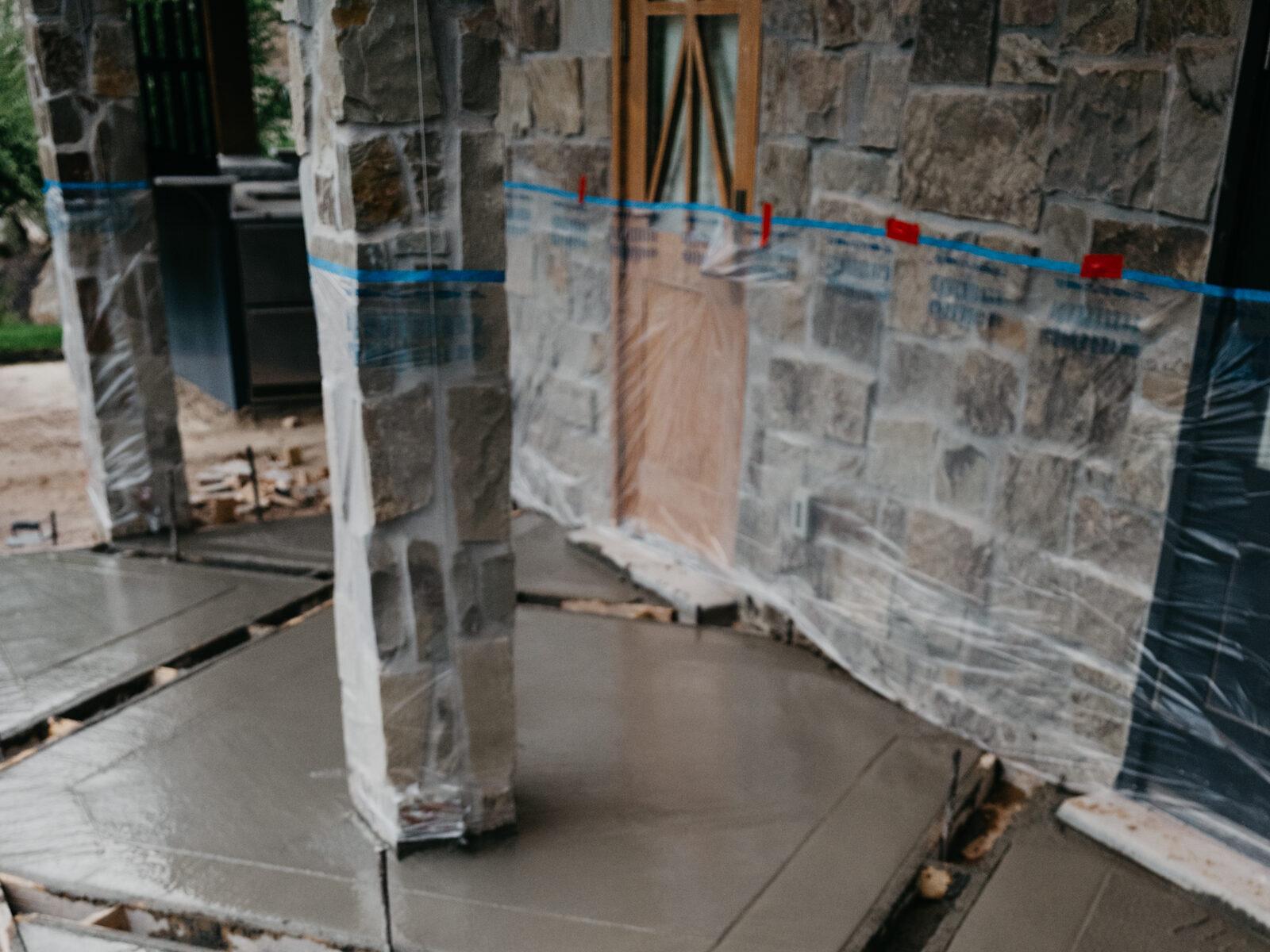
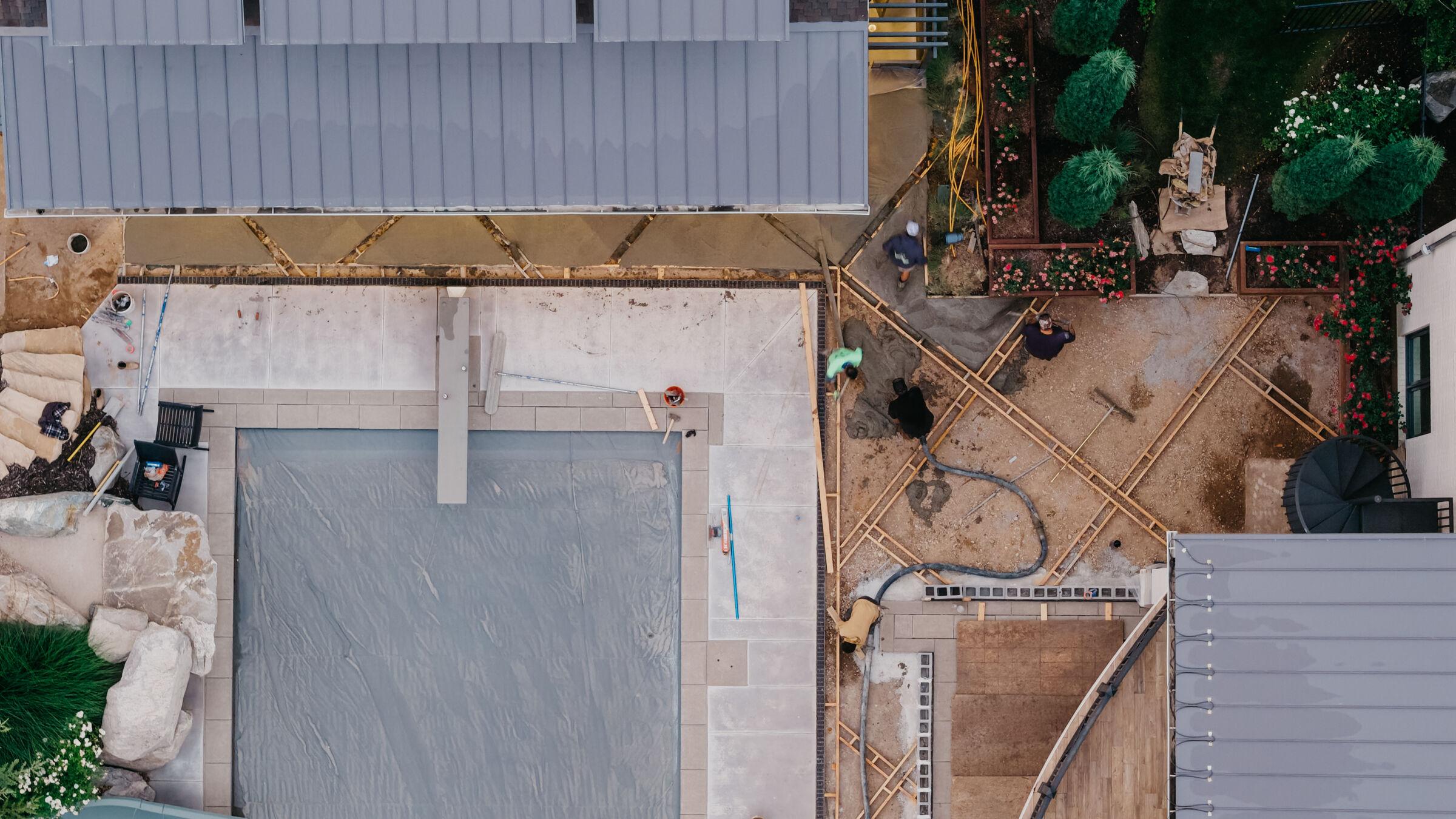
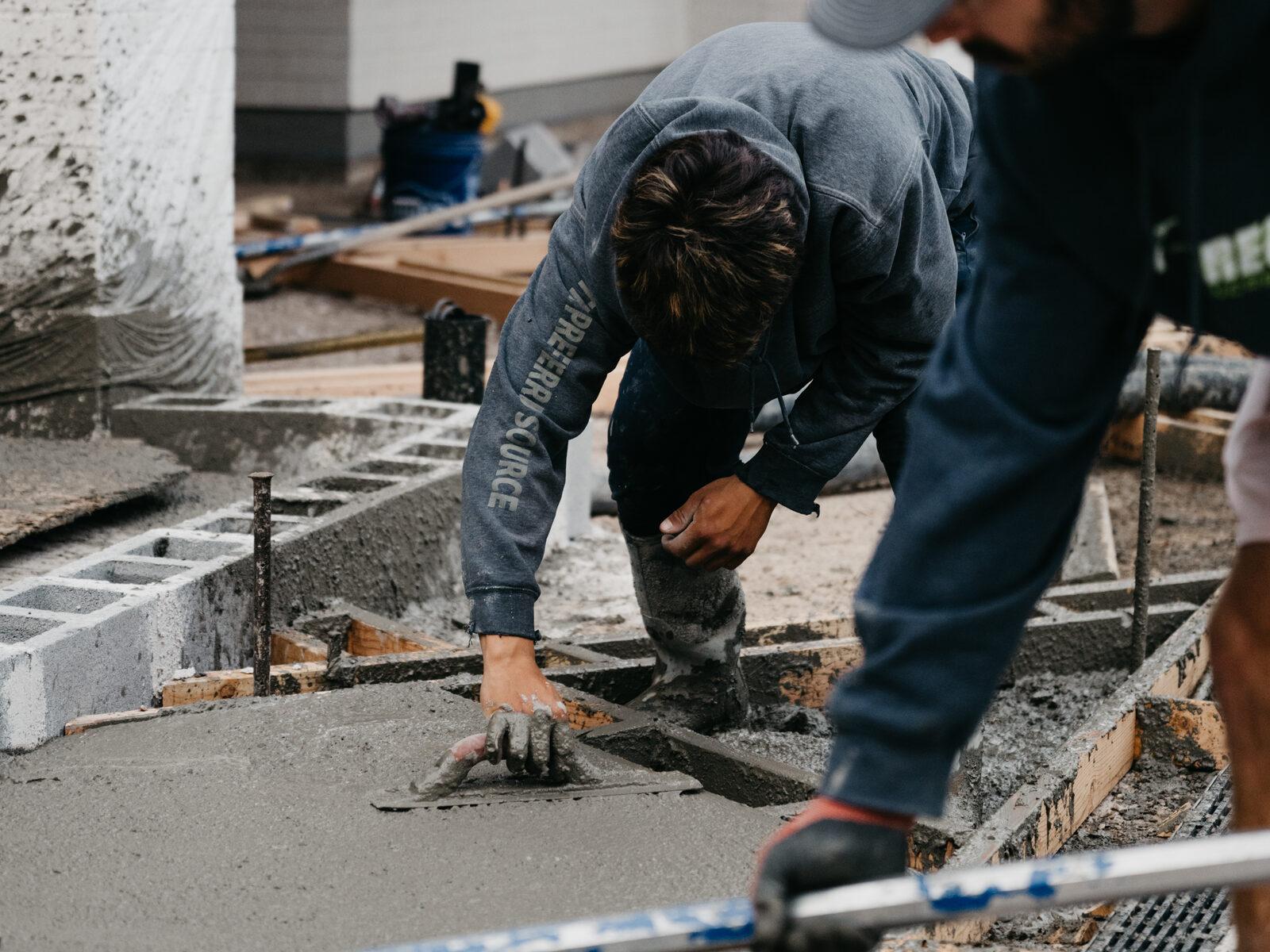
Where in Holladay
We build across the whole city.
From bare-ground new builds to established gardens being rebuilt, across these Holladay neighborhoods and the streets around them.
- Walker Lane
- Cottonwood
- Holladay Hills
- Olympus Hills
Near Big Cottonwood Regional Park, Mount Olympus, Holladay Village, Big Cottonwood Creek.
What We Build in Holladay
Seven disciplines, one crew, sequenced to this ground.
Every Holladay project starts with grading and drainage, then runs through retaining walls, hardscape, planting, lighting, and water. In Holladay that often means a waterwise approach from the first drawing.
Common Questions
Landscaping in Holladay.
- How do you protect a mature tree canopy during a landscape renovation?
- The root plate on an established tree routinely extends past the drip line, well beyond where people expect it, and severing it during trenching or grading kills the tree slowly, over years. We map the protected root zones before design, hand-dig or air-excavate inside them rather than cut through with a machine, and detail hardscape to float over roots on a suspended or open-aggregate base rather than sit in a trench through them.
- Our lot backs onto Big Cottonwood Creek. What does that change?
- A creek-adjacent lot comes with riparian setbacks, bank-stability requirements, and floodplain limits that govern how close to the water anything can be graded or built. We hold structures and regrading back from the top of bank, keep native root mass in place to stabilise the slope, and plant the buffer with species that tolerate the periodic high water rather than fight it. The setback is confirmed with the county before a line is drawn, not after.
- What grows under an old canopy that already takes all the water?
- Dry shade is the hardest planting condition in the valley, because a mature tree drinks first and leaves little for anything beneath it. We plant a shade-adapted, drought-tolerant palette on its own irrigation zone — never shared with the turf or the sun beds — and hold it back from the trunk flare so the tree is not competing with a bed pressed against its base.
- What does the first conversation involve?
- Where the lot sits, what the grade does, how you want to use the space, and the range you have in mind. We will tell you what the ground is likely to ask for before anyone talks about a design.
- Do you work year-round in Holladay?
- Our crews run year-round. Installation concentrates in the April-to-October window when the ground is workable, while design, site reading, and scheduling carry on through the winter — which is the best time to get a spring start held.
Also in Salt Lake County
Other areas we serve
Tell us about the site in Holladay.
Where the lot sits, what the grade does, and what you want out of it. We'll tell you what the ground is going to ask for before anyone talks about a design.
Start a Project