Service Area — Salt Lake County
Working around trees that were here first.
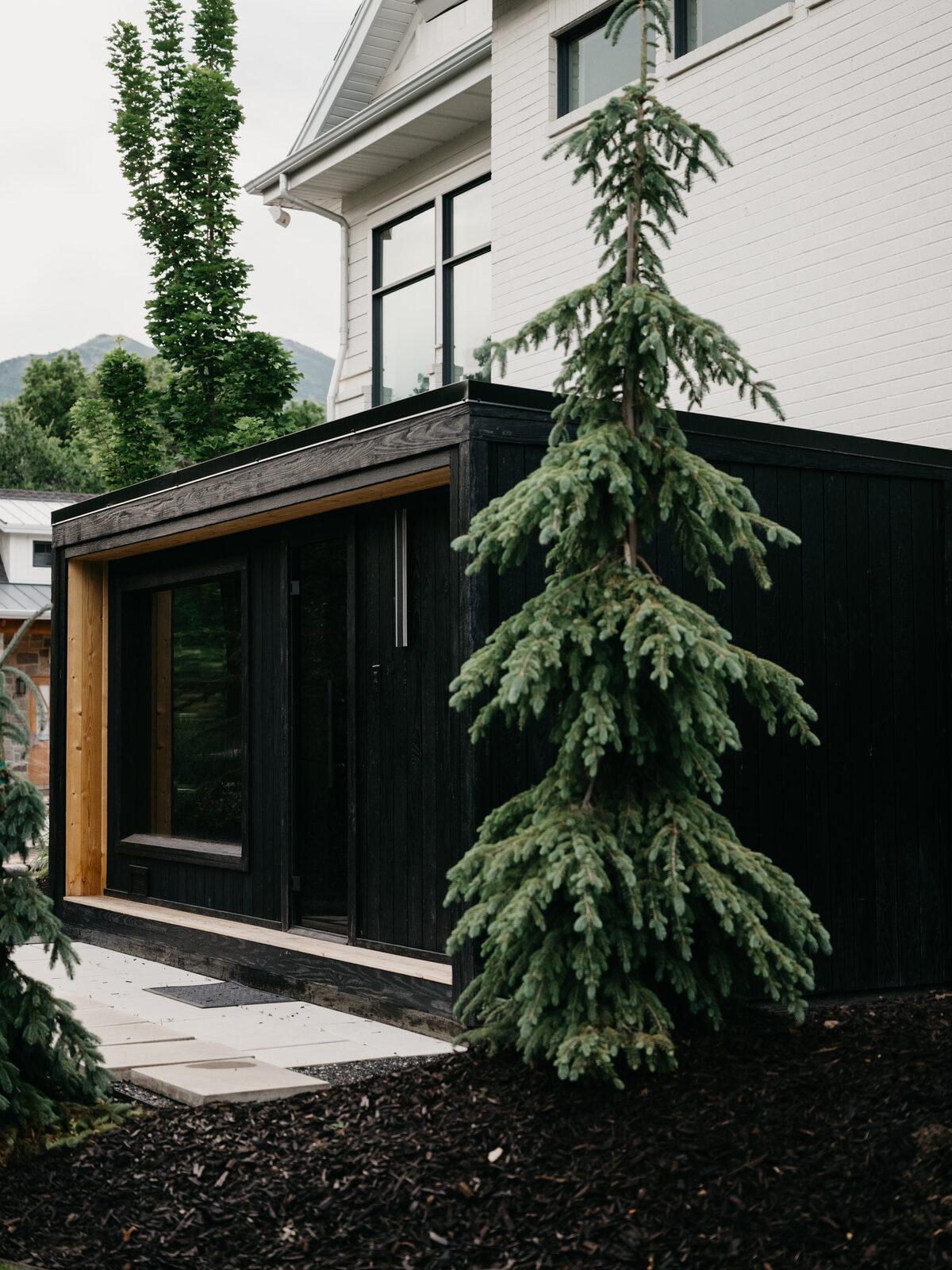
The east-bench neighborhoods are the most established ground we build on, and the constraints are almost entirely inherited: a canopy that predates the current owners, side yards never sized for equipment, and irrigation infrastructure older than most of the houses. The design starts from what cannot be moved.
What we are working around
- Mature canopy
- Root plates on established trees run further than people expect, routinely past the drip line. They set the limits on trenching, grading, and where a footing can go. We hand-dig inside protected zones rather than cut roots and find out in five years.
- Access
- Narrow side yards, gates that were never sized for machinery, and neighbors ten feet away. Whether a mini-excavator fits down the side of the house changes the sequence, the schedule, and the price — so it is the first thing we check, not the last.
- Dry shade
- A mature canopy creates the hardest planting condition in the valley. The trees take the water before anything beneath them does, and a palette that ignores that fails quietly over two seasons.
- Creek corridors
- Big and Little Cottonwood creeks run through these neighborhoods. Lots backing onto them come with setbacks, bank stability, and riparian conditions the rest of the valley never has to think about.
- Legacy irrigation
- Some blocks still run on secondary or ditch-share water delivered on a fixed schedule. That is a design input rather than a footnote — it decides what the system can deliver and when it can deliver it.
- Soil
- Bench gravels high on the east side, grading to heavier ground as the land drops west toward the valley floor. Two properties on the same street can want different base details.
Lot character
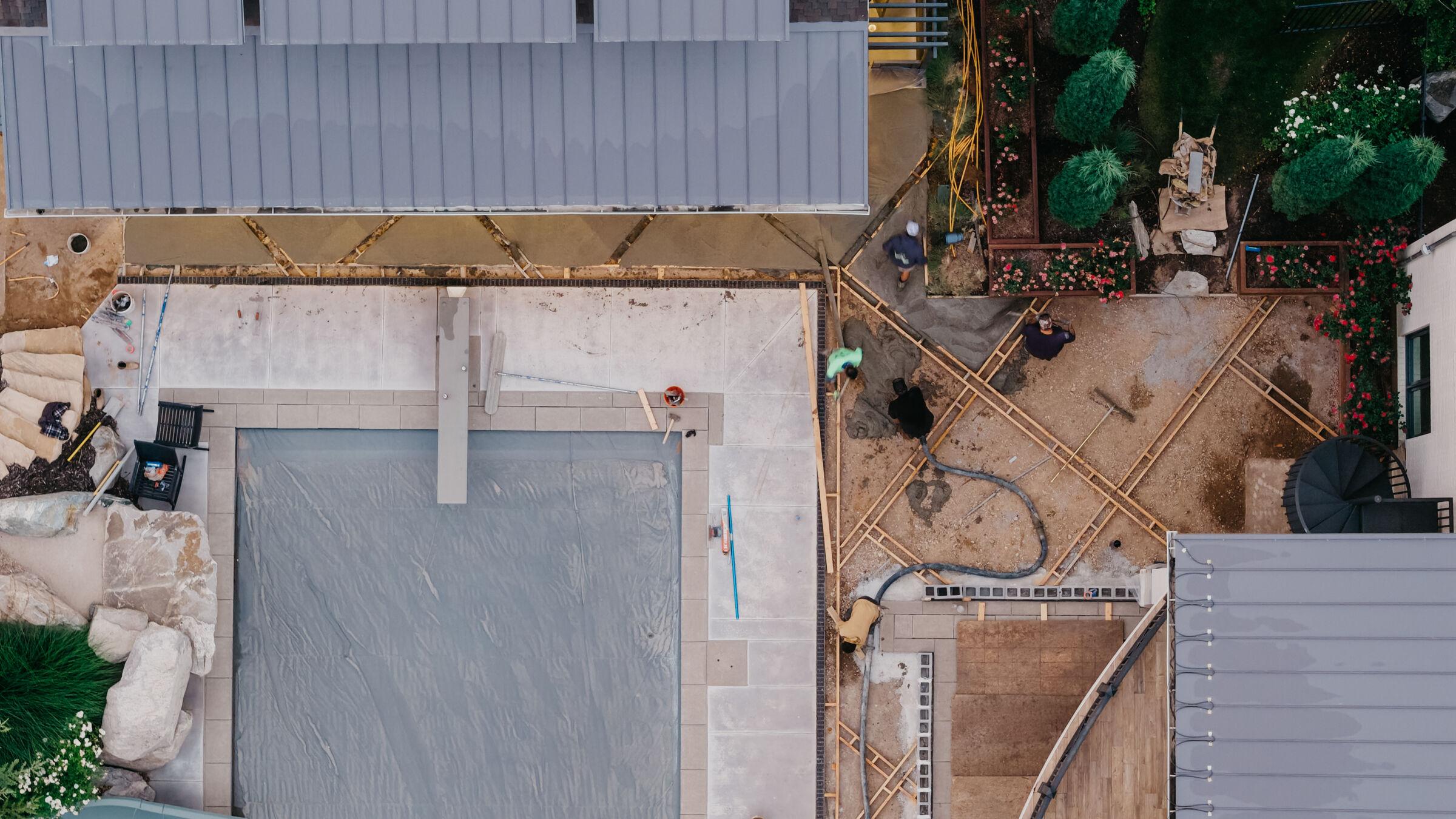
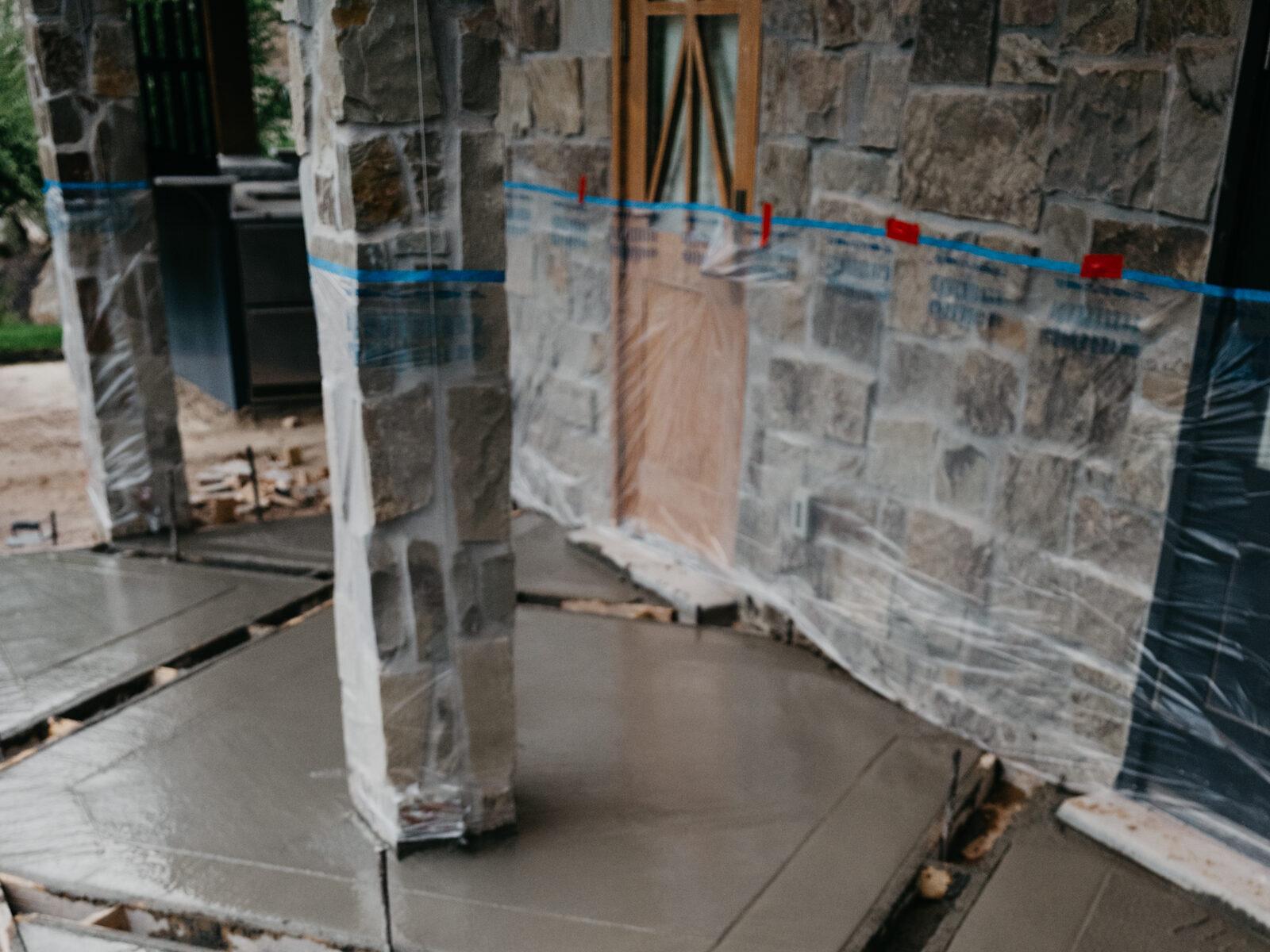
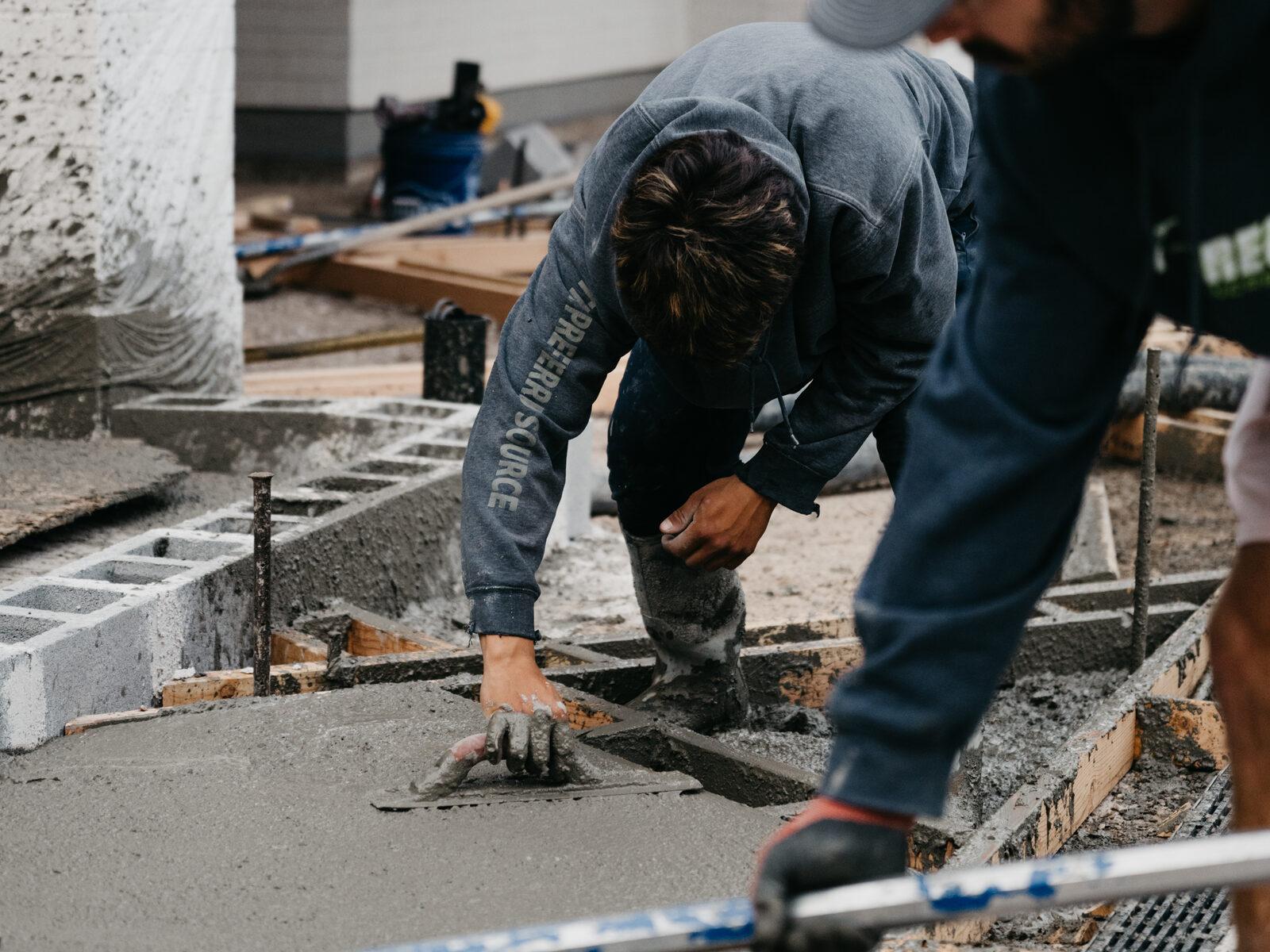
These are mid-century lots with a settled structure: a front lawn, a park strip, a side yard used for storage, and a rear garden that has been added to in stages by several owners. The work is usually removal and resolution before it is addition.
Because the properties are visible from the street and close to their neighbors, the front of the house carries more weight here than it does on a bench lot with a gate. The park strip is the most common first project in these neighborhoods and the one that reads from the sidewalk — it is also where local conservation and turf-conversion programs usually apply.
What that means for the build
- 01
We survey access and canopy before we design, so nothing gets drawn that cannot be physically built on the lot.
- 02
Protected root zones are excavated by hand or air, and hardscape is detailed to float over roots rather than sever them.
- 03
Planting under canopy is specified for dry shade and irrigated separately from anything in full sun.
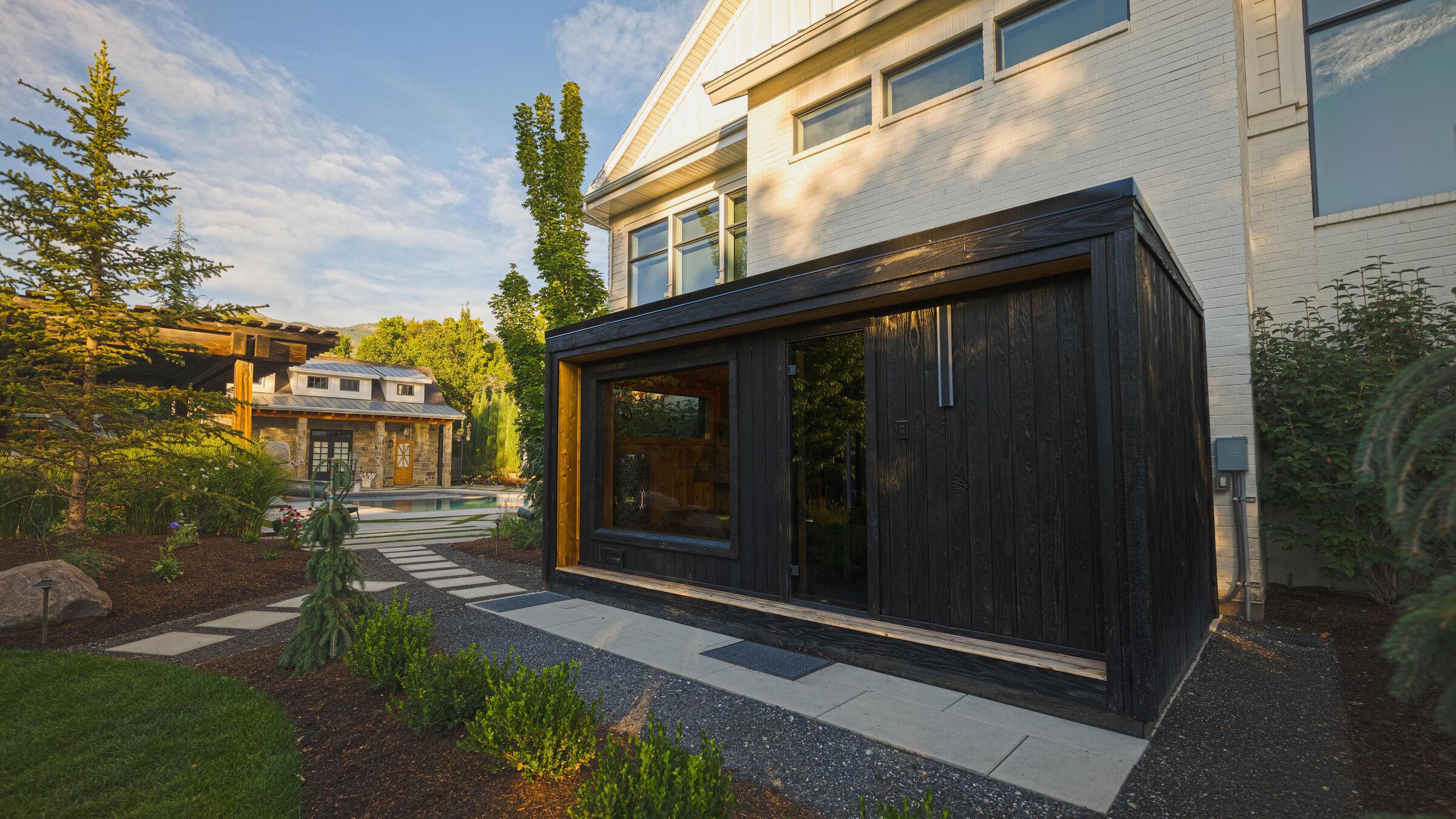
Communities
Three established communities on the valley's east side, each with its own building stock and its own constraints.
Holladay
Larger established lots, the heaviest canopy, and creek-adjacent properties with their own setbacks.
Holladay landscaping →Millcreek
Tight access is the defining constraint — the equipment plan drives the build plan.
Millcreek landscaping →Salt Lake City
Older housing stock, park strips that read from the street, and the most active conservation programs in the valley.
Salt Lake City landscaping →
What We Build Here
The same seven disciplines, sequenced to this ground.
Every project in Salt Lake starts with grading and drainage, because that is where the outcome is decided. From there the work runs through retaining walls, patios and hardscape, planting, lighting, and water — one crew, one sequence, no handoff at the point where it matters.
Also Serving
- Summit & WasatchThe alpine corridor — shorter seasons, steeper grades, and the most demanding site conditions in the state.
- DavisBench lots with long views west across the lake and hard clay soils that dictate drainage strategy.
- WeberFoothill parcels below the Ogden peaks, with wind exposure that narrows the workable plant palette.
Common Questions
Landscaping in Salt Lake County.
- Can you work around my mature trees?
- Yes — it is the norm on the east bench. Root plates on established trees routinely run past the drip line and set the limits on trenching, grading, and where a footing can go. We hand-dig inside protected zones rather than cut roots and find out in five years.
- Will your equipment fit down my side yard?
- We check first, not last. Narrow side yards and gates that were never sized for machinery change the sequence, the schedule, and the price, so whether a mini-excavator fits down the side of the house is one of the first things we confirm.
- What actually grows under a heavy canopy?
- Dry shade is the hardest planting condition in the valley — the trees take the water before anything beneath them does. We specify a palette for it and irrigate it separately from anything in full sun, or it fails quietly over two seasons.
- My lot backs onto a creek — does that change things?
- Big and Little Cottonwood creeks run through these neighborhoods, and lots backing onto them come with setbacks, bank stability, and riparian conditions the rest of the valley never has to think about. We design to them from the first drawing.
- Is the park strip a good place to start?
- Often, yes. It reads from the sidewalk and is where local conservation and turf-conversion programs usually apply, which makes it the most common first project in these neighborhoods.
Tell us about the site.
Where the lot sits, what the grade does, and what you want out of it. We will tell you what the ground is going to ask for before anyone talks about a design.
Start a Project